Allen Park residents halt 26-megawatt data center over pollution concerns
Residents in Allen Park, Michigan, successfully opposed a proposed 26-megawatt data center due to concerns over pollution, energy costs, and water consumption, leading the city council to halt discus…
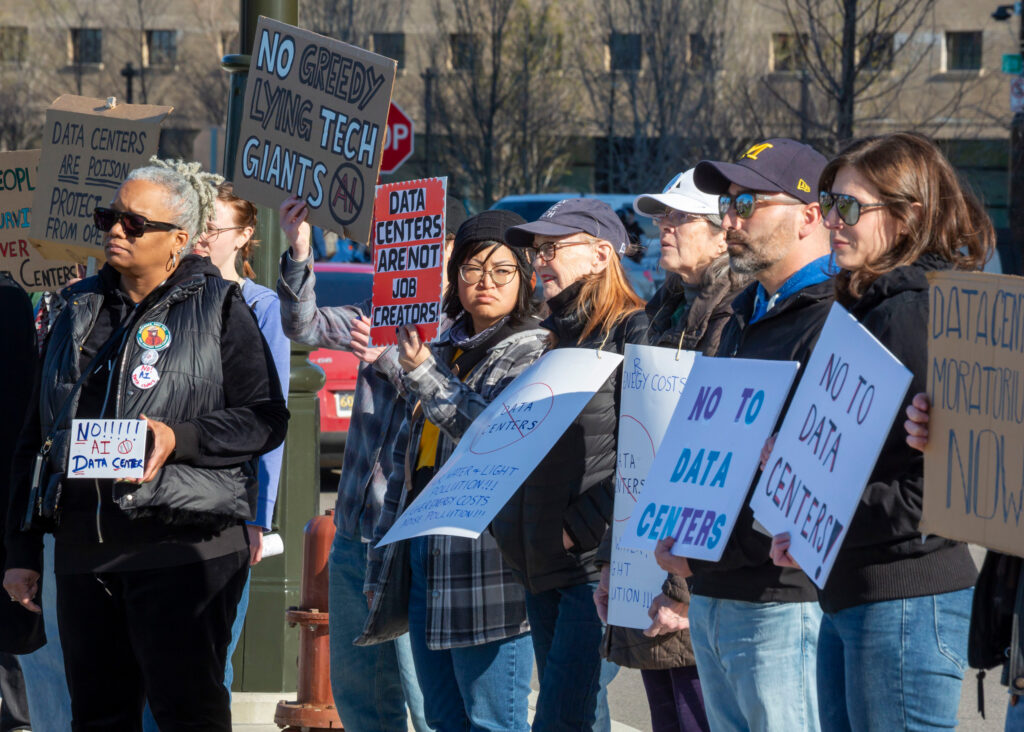
Residents in Allen Park, Michigan, recently rallied against a proposed 26-megawatt data center, highlighting a growing backlash against such facilities across the state. The opposition emerged swiftly after the plans were made public last year, with community members voicing concerns about potential pollution, rising energy costs, and excessive water consumption. The city council ultimately decided to halt any further discussions on the project, signaling a strong message from local voters.
This backlash is part of a broader trend in Michigan, where similar data center proposals have faced stiff resistance. Communities are increasingly wary of the environmental impacts associated with these developments, especially as climate change concerns mount. Data centers, which require significant amounts of electricity and water, have been criticized for their carbon footprints and potential strain on local resources. With Michigan's energy policy shifting towards sustainability, residents are demanding accountability from both corporations and local governments regarding the environmental implications of new infrastructure.
The opposition in Allen Park reflects a larger movement among Michigan residents who are becoming more organized and vocal about development decisions in their neighborhoods. Activists have formed coalitions to educate the public about the long-term effects of data centers, including their contribution to greenhouse gas emissions and the potential for displaced communities. These activists argue that local governments should prioritize renewable energy solutions and community needs over corporate interests.
Looking ahead, this incident may set a precedent for how future data center proposals are handled in Michigan. Local governments may become more cautious about approving such developments without thorough environmental assessments and community input. The pushback from Allen Park residents could inspire similar movements in other communities, creating a ripple effect as residents demand sustainable practices and greater transparency in local governance. This trend highlights the growing importance of environmental justice in urban planning and development.
Read Full Story at Inside Climate News →