Researchers discover microplastics in Mexican howler monkeys at Los Tuxtlas Reserve
Mexican howler monkeys in the Los Tuxtlas Biosphere Reserve contain microplastics, highlighting the impact of plastic pollution even in protected areas. This finding raises concerns about wildlife he…
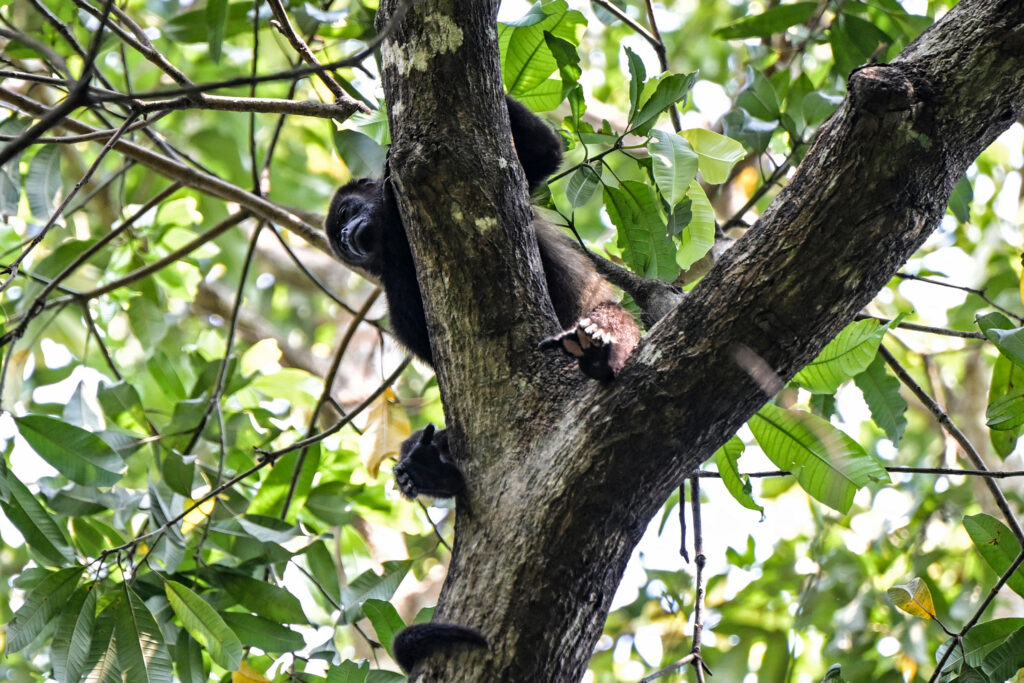
Mexican howler monkeys living in the Los Tuxtlas Biosphere Reserve have been found to contain microplastics in their bodies, raising alarm among conservationists and researchers. This discovery comes from a recent study conducted by scientists who analyzed fecal samples from the monkeys, revealing the presence of microplastic fibers and particles. The findings underscore a growing concern about the impact of plastic pollution on wildlife, even in protected areas.
The Los Tuxtlas Biosphere Reserve, designated by UNESCO, is home to a rich array of biodiversity, including several endangered species. However, the area is not immune to the pervasive issue of plastic waste, which has infiltrated ecosystems around the globe. The proximity of urban centers, agricultural activities, and tourism has contributed to plastic pollution in the region. As microplastics break down into smaller particles, they can be ingested by animals, potentially leading to health problems and affecting food chains.
Scientists are particularly concerned about the implications of these findings. Microplastics can carry harmful chemicals and pathogens, posing risks not just to the monkeys but to the entire ecosystem. The presence of microplastics in such a critical species can signal broader environmental degradation. Researchers are calling for increased monitoring and conservation efforts to protect both the primates and their habitat.
Looking ahead, the discovery of microplastics in howler monkeys may prompt further investigations into the sources and impacts of pollution in the biosphere reserve. Conservationists are advocating for stronger regulations on plastic use and waste management, emphasizing the need for community education and involvement. The health of the monkeys reflects the overall health of their environment, making it crucial to address plastic pollution to safeguard biodiversity for future generations.
Read Full Story at Inside Climate News →