Microsoft nearly launched desired Surface smartphone before shifting to Lumia
Microsoft nearly launched a Surface smartphone prototype in 2014, designed to run on Windows Phone 8.1, but shifted focus to the Lumia brand after acquiring Nokia's Devices and Services business. Thi…
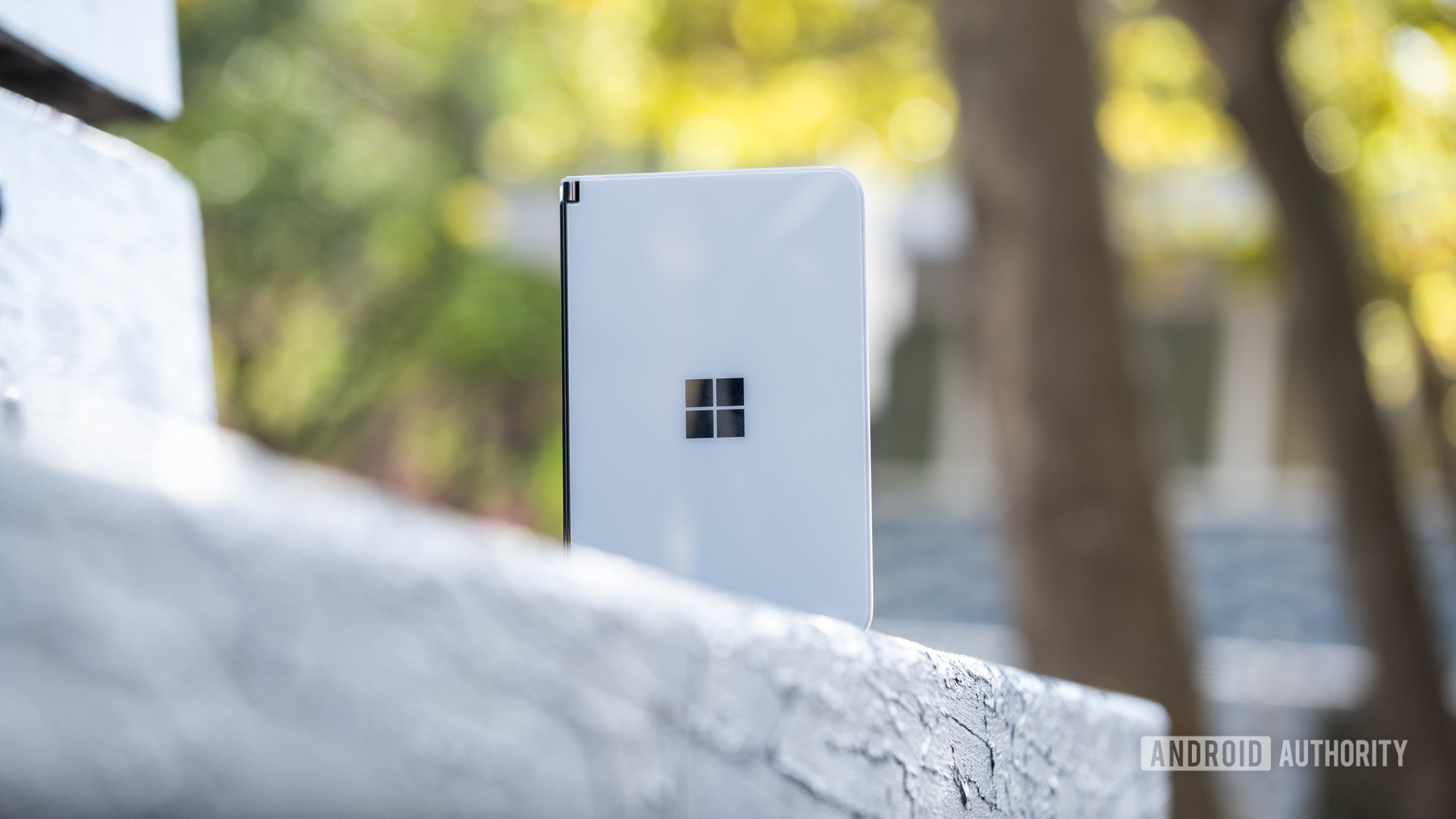
Microsoft nearly launched a Surface smartphone prototype in 2014, according to new revelations from Windows Central. The device was designed to align with the Surface branding and was expected to run on Windows Phone 8.1. Images of the prototype show a device with hardware navigation keys and a design reminiscent of the Surface 2 tablet, suggesting a commitment to a cohesive product line that never materialized.
The backdrop for this revelation is Microsoft’s acquisition of Nokia’s Devices and Services business in September 2013. This acquisition shifted the company’s focus away from developing its own smartphones. Instead, Microsoft opted to leverage the existing Lumia brand, which led to the release of the Lumia 535 in 2014. The decision to halt the Surface phone project likely stemmed from a desire to integrate Nokia's established mobile technology rather than forge a new path with a wholly original device.
The prototype featured a 720p display and was powered by an unspecified Qualcomm chip, likely from the Snapdragon 200 or 400 series. Had it been released, this device might have faced fewer challenges than Microsoft’s later attempts with the Surface Duo and Surface Duo 2, which adopted a dual-screen design that some users found cumbersome. Critics argue that the Surface Duo line suffered from software that was not optimized for its unique format, whereas the conventional smartphone design of the 2014 prototype could have appealed more to users.
Ultimately, the story of the unreleased Surface phone raises questions about what could have been for Microsoft in the mobile space. The company's evolution to the dual-screen approach with the Surface Duo may have diverged from a simpler, more traditional smartphone that could have succeeded in a crowded market. As Microsoft continues to innovate, the lessons from this prototype may inform future designs, blending hardware and software in a way that resonates with consumers.
Read Full Story at Android Authority →