Microsoft designed some new Android-based hardware, and it’s not at all what you’re expecting
Affiliate links on Android Authority may earn us a commission. Learn more. AI is everywhere these days, but so many times it feels like something that’s been tacked on to an existing product: It’s a smartphone with AI , or earbuds that are equipped with AI note-taking. And while
Affiliate links on Android Authority may earn us a commission. Learn more.
AI is everywhere these days, but so many times it feels like something that’s been tacked on to an existing product: It’s a smartphone with AI , or earbuds that are equipped with AI note-taking. And while that usually works well enough, Microsoft envisions a new kind of hardware that’s AI agent-first in its design and execution — and is tapping into Android to make that a reality.
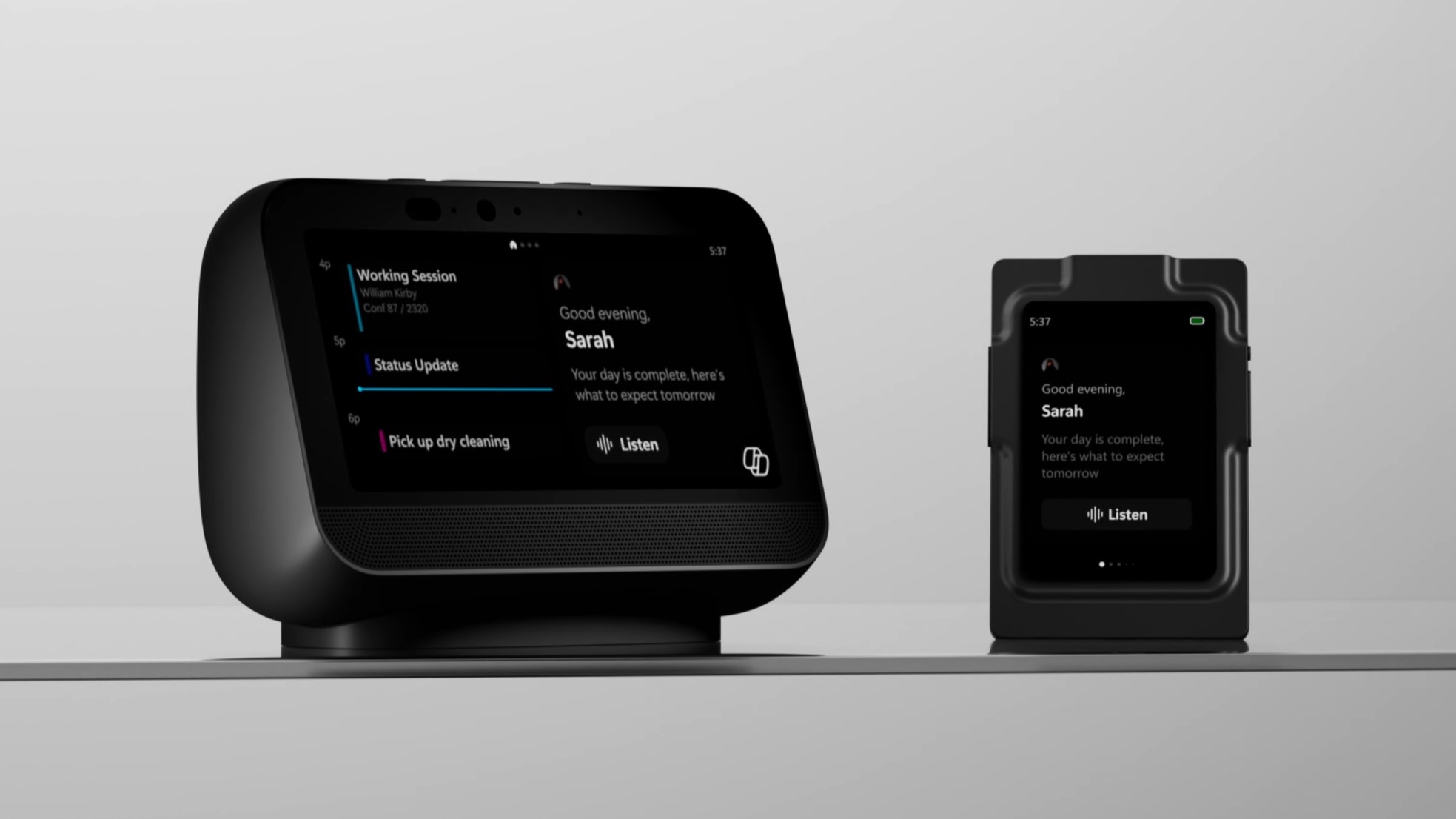
Project Solara is Microsoft’s dream for this new platform, and rather than running on any kind of Windows, it’s built on top of the Microsoft Device Ecosystem Platform , which is itself based on Android. Right now, Microsoft doesn’t plan to sell any Solara hardware itself, but it has come up with a couple reference designs intended to inspire other manufacturers: a Nest Hub -like desktop screen, and a wearable smart ID badge.
The idea is that instead of running a set of fixed apps, or tying devices to a single, general-purpose AI, Solara would expose users to multiple specialized agents, each dialed in for particular skills — sort of like Gemini Gems . Even the look of the interface needn’t be fixed in stone, with a ” just-in-time UI” that empowers AI to choose the best way to present its output.
If that sounds incredibly lofty to your ears, we don’t blame you — this feels like one step beyond vibe-coded apps, just leaning entirely on the promise of AI perfectly understanding our needs, and being able to optimally address them without a developer having curated every moment of the experience in advance. Whether that’s possible, to say nothing of practical, we just don’t yet know. But Microsoft sure sounds optimistic about the possibilities.
Solara devices are much more intended for enterprise than anything else: Microsoft notes potential use cases like retail and healthcare environments. The company is already partnering with MediaTek and Qualcomm for the silicon that will power this “chip-to-cloud” platform, but right now it’s anyone’s guess who might actually build products based off Microsoft’s reference designs. That means it’s probably going to be a while before we see anything approaching a real-world deployment of this tech — and learn whether or not it’s half as impressive as Microsoft’s trying to make it sound.
Thank you for being part of our community. Read our Comment Policy before posting.