📈 Markets & Finance
Live
Microsoft warns users of 'Crypto Clipper' malware spread via USB drives
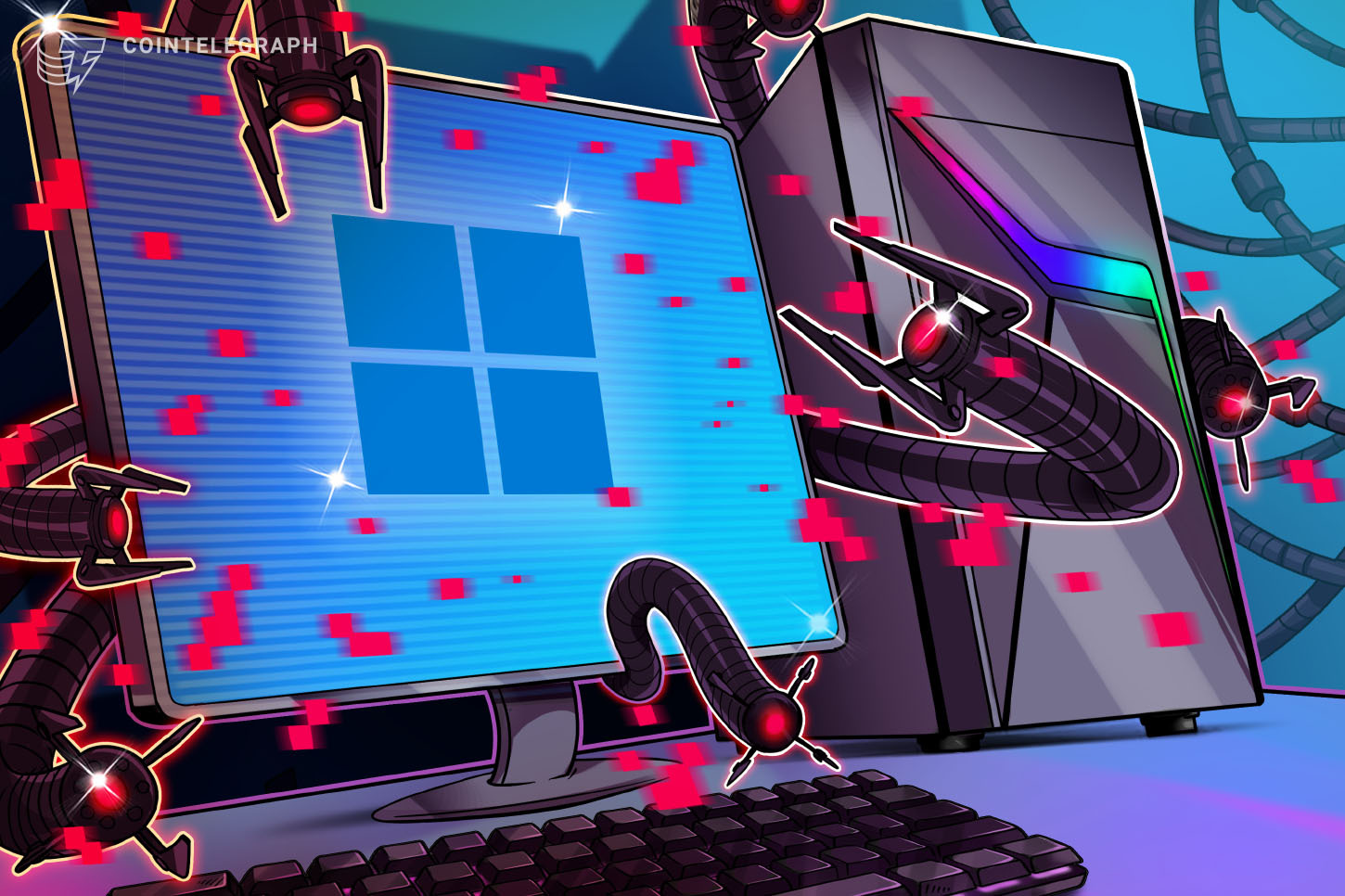
The malware blends data theft with remote code execution, “turning a financially motivated stealer into a lightweight backdoor,” Microsoft said.
CoinTelegraph — 18 June 2026
Text:
13
0
0
The malware blends data theft with remote code execution, “turning a financially motivated stealer into a lightweight backdoor,” Microsoft said. This
Read Full Story at CoinTelegraph →
⚡ Quickyla Analysis
Original editorial context — not sourced from the article above
The emergence of "Crypto Clipper" malware, as flagged by Microsoft, underscores a troubling evolution in cyber threats—one that blurs the line between traditional data theft and full-scale system compromise. Unlike run-of-the-mill clipboard hijackers that silently swap cryptocurrency wallet addresses, this variant embeds itself deeper, exploiting USB drives as a stealthy delivery vector. The shift is significant because it signals criminals are no longer content with mere financial gain; they’re weaponizing commodity malware to establish footholds in unsuspecting networks. For enterprises and individual users alike, this means the risk profile has expanded beyond phishing emails and malicious downloads to include physical media, a reminder that even offline vectors can serve as entry points for modern attacks.
Historically, clipboard manipulators have thrived in the shadows of decentralized finance, where a single typo in a wallet address could mean irreversible losses. But the addition of remote code execution capabilities transforms the threat from a nuisance into a potential breach enabler. Cybercriminals have long repurposed tools—recycling ransomware strains or infostealers for new campaigns—and Crypto Clipper follows this pattern. What’s less discussed, however, is how USB-based malware has made a quiet comeback after years of decline. The resurgence may stem from the rise of AI-powered tooling that automates payload crafting, making it easier to weaponize off-the-shelf malware for stealthy propagation.
The open question now is whether this is an isolated campaign or the vanguard of a broader trend. If attackers refine the technique to evade detection—perhaps by leveraging zero-day exploits in USB firmware—the attack surface could widen dramatically. Security researchers will likely dissect the malware’s inner workings to gauge its spread, but the real test will be whether corporate environments, which often enforce strict USB policies, can adapt quickly enough. Meanwhile, the average user remains vulnerable, caught between the convenience of portable storage and the invisible dangers it may harbor.
This development also fits a larger pattern: the commoditization of cybercrime. As malware-as-a-service ecosystems mature, even low-skilled actors can deploy sophisticated tools, blurring the line between opportunistic theft and targeted espionage. For defenders, the lesson is clear—traditional perimeter defenses are no longer sufficient. The battle against Crypto Clipper may soon require a fundamental rethinking of how we secure the most mundane components of our digital lives.
Sources
📈 Markets & Finance
Sam Altman says OpenAI's top token spender uses 100 billion tokens a month — and they're not even the world leader

📈 Markets & Finance
Intel, AMD, Micron shares sink as Broadcom results spark semiconductor sector sell-off

📈 Markets & Finance
This Smart‑Money Legend Won Big on Intel. The Rest of His Portfolio Might Be Even More Revealing
📈 Markets & Finance
A new NJ bill would hand pet owners up to $900 in tax credits — and your state could be next

📈 Markets & Finance
MGM Resorts stock jumps as Barry Diller's People Inc. makes bid to take over the company
📈 Markets & Finance
Addressing Investor Transparency, Updates from Euronet Worldwide’s (EEFT) First Analyst Day in a Decade


