US strikes Qeshm Island after intercepting Iranian missiles
The U.S. intercepted Iranian missiles and drones targeting Kuwait and Bahrain, then struck Qeshm Island, marking the first direct U.S. strikes on Iranian soil. This escalation heightens regional tensions, testing U.S. defenses and Iran's willingness to provoke further conflict.

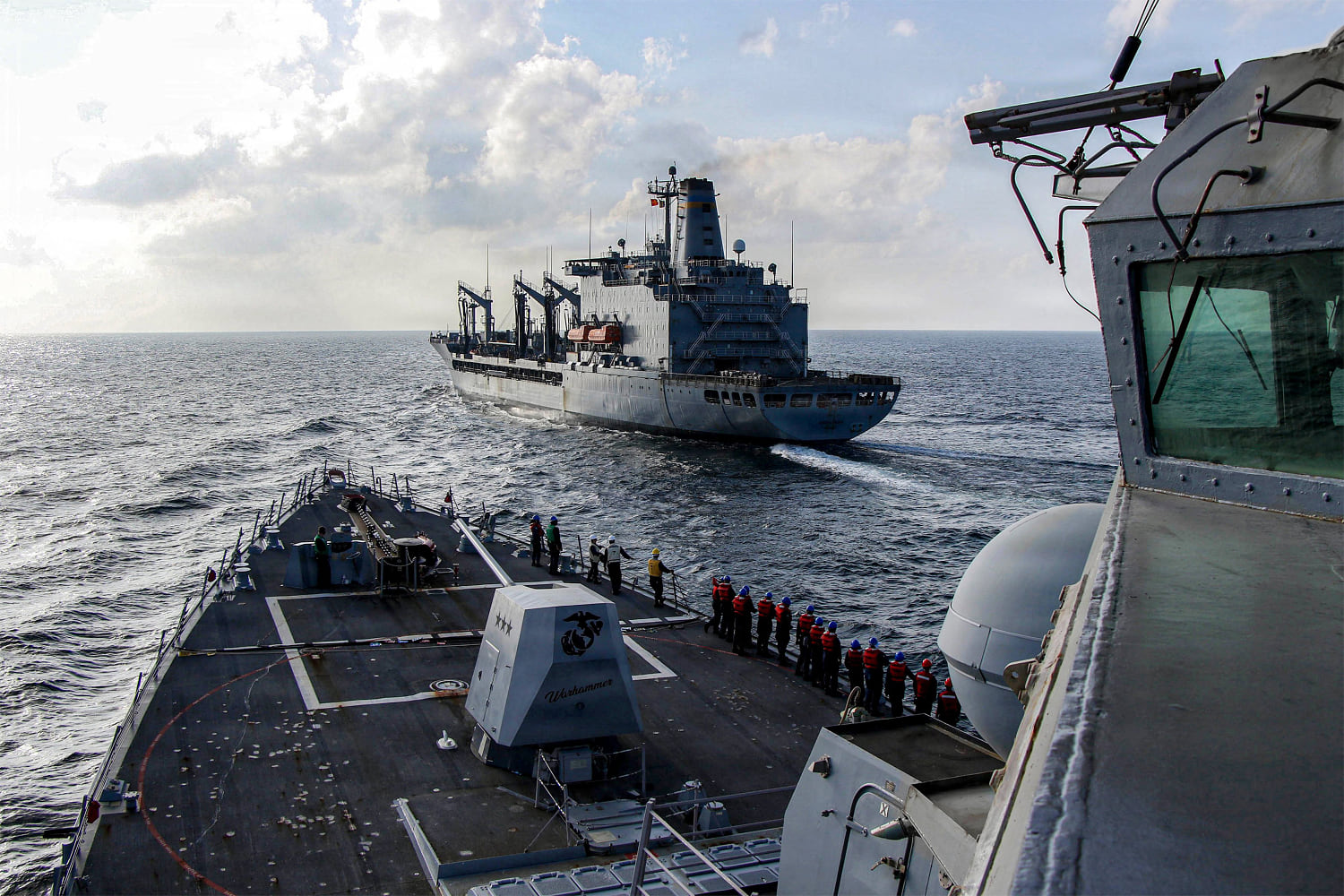
The U.S. military said Tuesday it intercepted multiple Iranian missiles and drones aimed at Kuwait and Bahrain before launching counterstrikes on Iran’s Qeshm Island. Central Command reported that American forces used fighter jets, warships and Patriot missile batteries to shoot down at least one ballistic missile and several drones launched from Iranian territory and allied militia positions in Yemen and Iraq. The attacks mark the first time U.S. forces have struck Iranian soil in response to direct fire from Tehran, signaling a sharp escalation in the shadow war across the Middle East.
The strikes follow months of rising tensions after Iran-backed groups in Lebanon, Yemen and Iraq stepped up rocket, drone and missile fire at Israel and U.S. bases in the region. Earlier this month, a suspected Israeli strike killed top Iranian generals in Damascus, and Iran vowed revenge. Tuesday’s barrage appears to be Tehran’s response—first with long-range missiles and drones, then with U.S. retaliation. The Pentagon insists the counterstrikes were limited and aimed only at degrading Iran’s ability to launch further attacks, not to provoke wider war.
Kuwait and Bahrain host major U.S. military bases and critical infrastructure, including the Navy’s Fifth Fleet headquarters in Bahrain. Any direct hits could have disrupted shipping lanes, energy flows and global markets. The fact that Iran’s projectiles were intercepted shows U.S. defenses are holding—for now—but the sheer scale of fire suggests Iran is willing to test American resolve. Analysts warn that if Tehran senses weakness or miscalculates U.S. response, it may escalate further, dragging America deeper into a conflict it has tried to avoid.
What happens next depends on Iran’s next move. Tehran could absorb the strikes and dial back, or it could order more attacks, possibly against Israel or U.S. troops in Syria. The White House faces a narrow path: reassure allies without triggering a full-scale war it cannot afford. Diplomats are already scrambling to de-escalate, but in the Middle East, miscalculation has a way of outrunning caution.