UK government plans to house asylum seekers in ex-military bases
The UK government plans to house asylum seekers in former military bases, citing the need for secure accommodation as they close 13 hotels. Local opposition is growing, particularly in Piddington, wh…
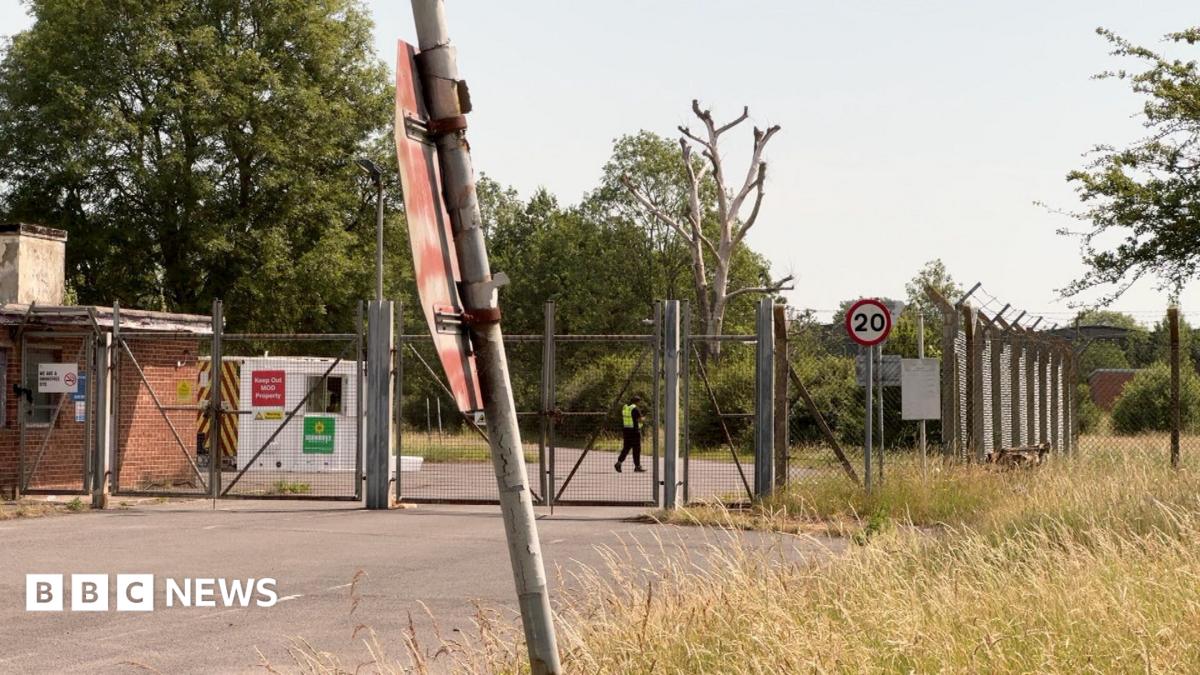
The UK government is proceeding with plans to house asylum seekers in former military bases despite local protests. Home Office minister Anna Turley confirmed the strategy during a recent interview, emphasizing the need for secure and appropriate accommodation for asylum seekers. She defended the use of disused Ministry of Defence properties, arguing they offer necessary facilities and are more contained environments.
The government's push comes amid rising pressure to end the use of hotels for accommodating asylum seekers. On Wednesday, officials announced the closure of 13 hotels across England, as part of this new initiative. Currently, two military sites are operational: RAF Wethersfield in Essex and Crowborough Training Camp in East Sussex. Plans for three additional sites, including one near Piddington in Oxfordshire, have sparked community backlash due to concerns about local infrastructure being overwhelmed by large numbers of incoming residents.
Local leaders in Piddington are particularly vocal about their opposition. Mike Nixon, vice-chairman of the Piddington Parish Council, expressed significant worry over the potential impact on the small community of around 400 residents. He noted that there has been no formal consultation from the Home Office, prompting Piddington to hold a symbolic independence referendum to gauge public sentiment on remaining part of the UK.
Turley maintains that the move is essential for ensuring that asylum seekers are looked after appropriately and that it aligns with public sentiment to move away from using hotels. She highlighted the closure of the Metropole Hotel in Blackpool as a positive step, signaling a commitment to integrating asylum seekers into communities without overburdening them. The situation raises critical questions about the balance between providing humanitarian assistance and addressing the concerns of local populations.
Read Full Story at BBC Politics →


