3,000 unaccompanied minors in Ceuta face abuse risk, seek aid
Thousands of unaccompanied minors, estimated between 3,000 and 5,000, are living homeless on the streets of Ceuta, facing severe risks of abuse and neglect. Local authorities are urging the Spanish g…
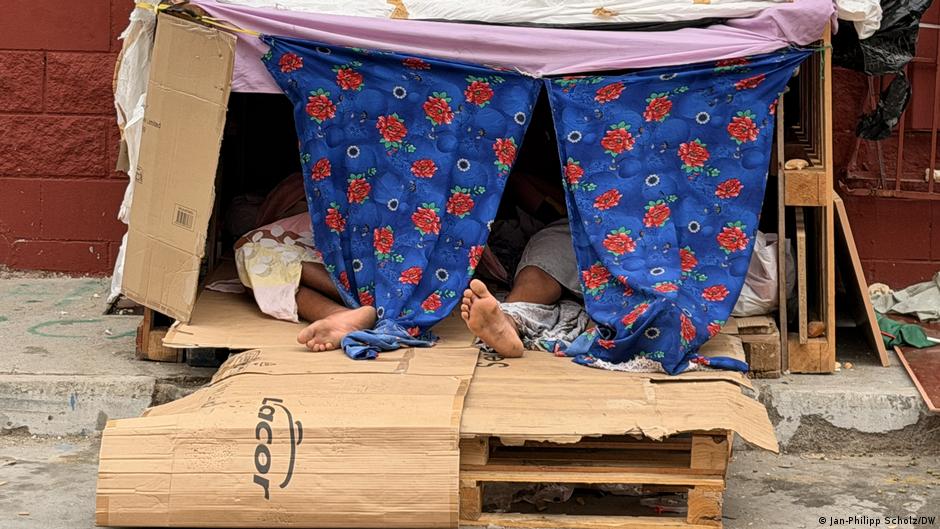
Thousands of unaccompanied minors are living on the streets of Ceuta, a Spanish enclave on the northern coast of Africa, facing increased risks of abuse and neglect. Reports indicate that between 3,000 and 5,000 minors are currently homeless in the area, as they struggle to find space in overcrowded reception facilities.
The situation has escalated since late July when around 80,000 people crossed into Ceuta from Morocco. While most have since moved on, local authorities estimate that about 9,000 migrants remain, many of whom are minors. Conditions are dire, with children like 14-year-old Amina expressing fear over the lack of basic sanitation and safety. "We have to go somewhere in the bushes, but I don't dare go alone," she said, highlighting the vulnerability of those living in makeshift tents.
The plight of families is also dire. A Moroccan mother, Malika, who came to Ceuta with her four children, struggles to provide for her family after earning just €7 ($8) a day as a cleaner back home. With school approaching, she worries about not having money for her children's basic needs. Amidst all this, she has witnessed a spike in sexual assaults. Local police are investigating at least 15 suspected cases of rape, though officials believe the actual number may be much higher. Emergency doctor Susana Ascaso has treated several young girls who have faced harassment and assault, emphasizing the heightened risk for girls under 18.
In light of these alarming conditions, politicians in Ceuta are calling for urgent assistance from the Spanish government. Nabila Benzina, the regional minister for health and social affairs, has urged for increased resources to address the humanitarian crisis. As the number of vulnerable minors continues to rise, the need for immediate action is becoming increasingly critical to ensure their safety and well-being.
Read Full Story at DW World →