MIT researchers identify hidden pathway promoting colon cancer spread in mice
MIT researchers have identified a hidden biological pathway that promotes colon cancer spread, which is activated by high-fat diets in mice. This discovery highlights the significant role of diet in …
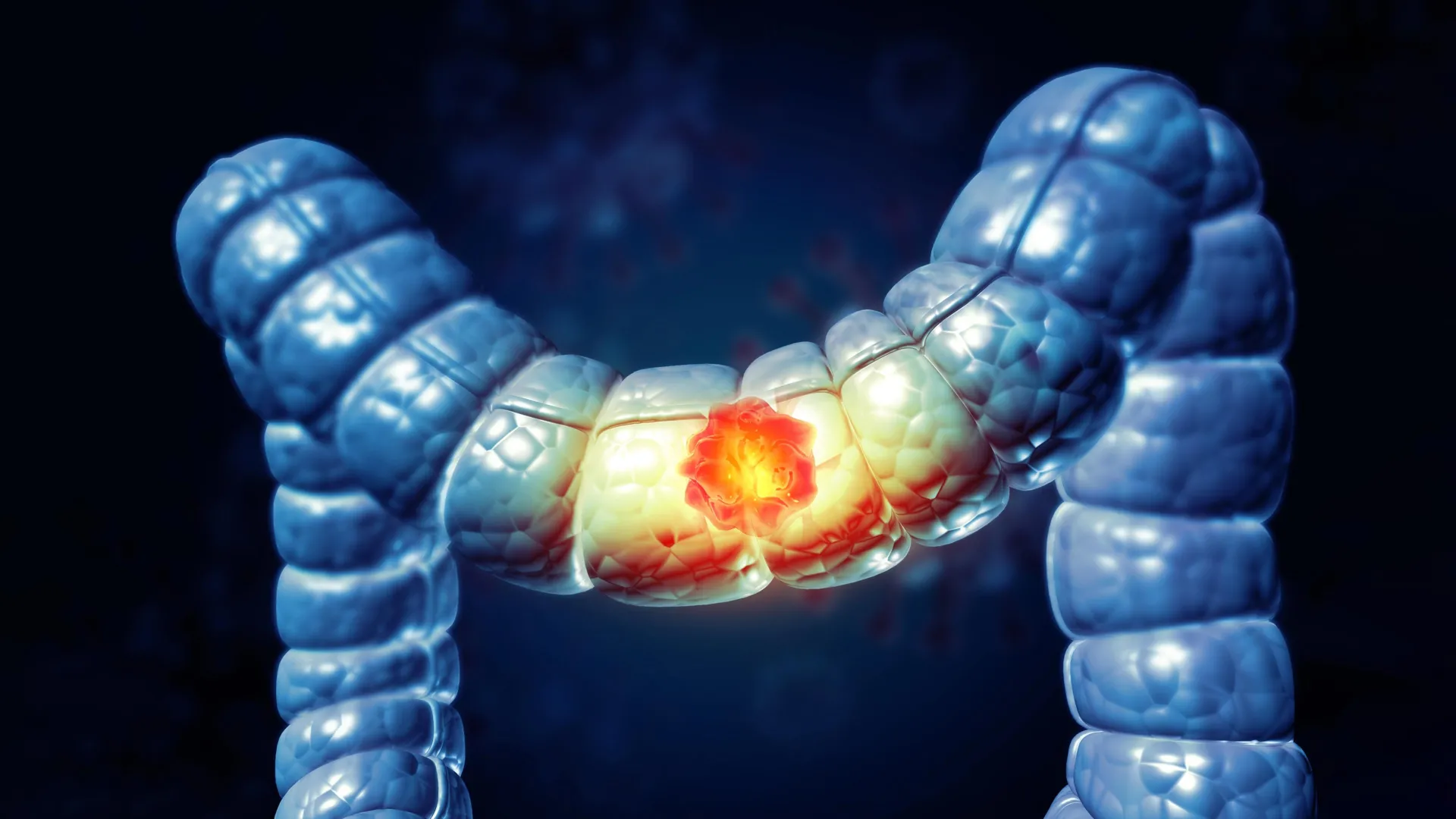
Researchers at the Massachusetts Institute of Technology (MIT) have uncovered a hidden biological pathway that enables the spread of colon cancer. Their study, published recently, indicates that a high-fat diet can intensify this pathway's activity in mice, possibly leading to more aggressive cancer metastasis. This discovery sheds light on the mechanisms behind colon cancer's spread, a significant concern for patients and healthcare providers alike.
Colon cancer is one of the leading causes of cancer-related deaths worldwide. The disease often goes undetected until it has advanced to a stage where treatment options are limited. Understanding how colon cancer metastasizes is crucial for developing effective therapies. The research team at MIT aimed to identify new targets for intervention, particularly those that can be influenced by dietary choices. Their findings suggest that lifestyle factors, such as diet, can play a critical role in cancer progression.
The study involved experiments on mice, where the researchers manipulated dietary fat intake and examined changes in cancer cell behavior. They discovered that a specific biological switch, previously overlooked, becomes activated in the presence of high-fat diets. This switch appears to facilitate the migration of cancer cells from the original tumor site to other parts of the body. Blocking this pathway could provide a new strategy to prevent metastasis, a major hurdle in treating colon cancer.
Looking ahead, this research opens up new avenues for both prevention and treatment. If further studies confirm these findings in humans, dietary recommendations could be adjusted to minimize cancer risk. Additionally, developing drugs that target the identified pathway might enhance treatment effectiveness for patients already diagnosed with colon cancer. The implications of this work extend beyond individual health, potentially influencing public health strategies and dietary guidelines aimed at reducing cancer incidence.
Read Full Story at ScienceDaily →