Nigerian army frees 44 abducted pupils and teachers in Oyo state
Nigeria's military freed 44 abducted pupils and teachers from three schools in Oyo state after a month-long operation, highlighting the nationwide issue of school kidnappings. The incident underscores
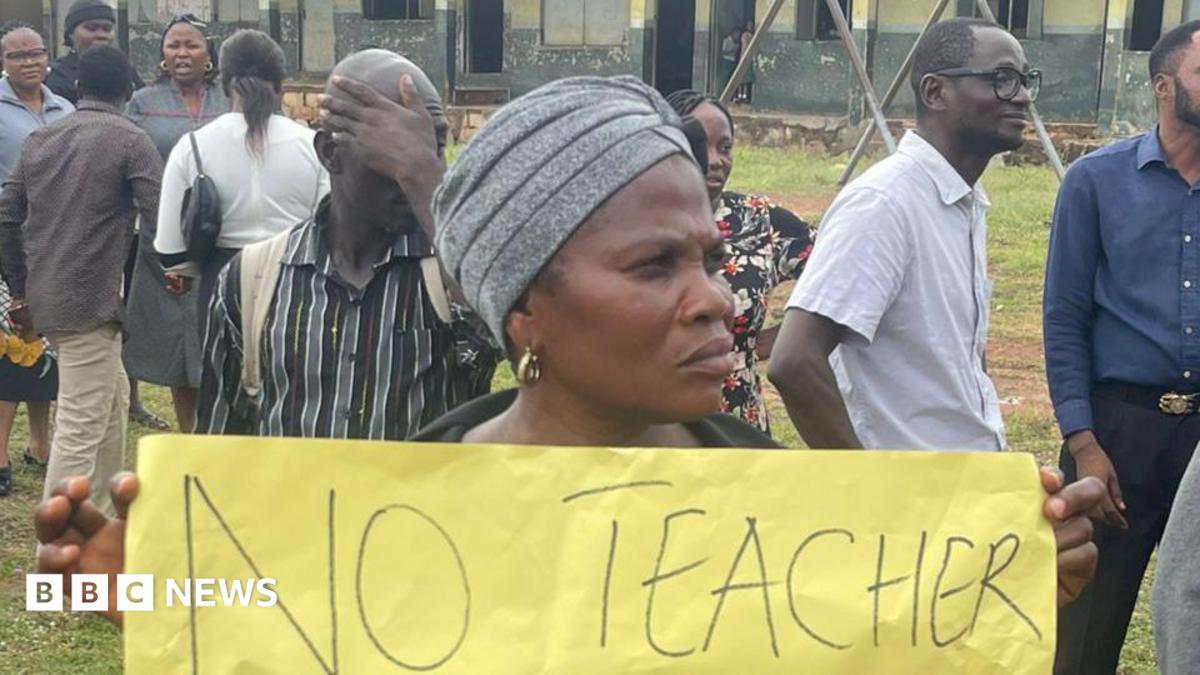
Nigeria’s military has freed 44 pupils and teachers abducted two months ago from three schools in Oyo state, the army confirmed Friday night, ending a
Read Full Story at BBC World News →Why This Matters
This mass abduction and subsequent rescue reflects Nigeria’s failure to protect its most vulnerable citizens, despite repeated military assurances. The persistence of such attacks—now targeting educational institutions—undermines public trust in security agencies and deepens societal fear, particularly in regions already struggling with insurgency and banditry.
Background Context
Nigeria has faced a surge in school kidnappings since 2020, with over 1,400 students abducted in more than 70 incidents. Oyo state, though less frequently associated with large-scale violence than the northeast, has seen a rise in armed banditry, fueled by porous borders, poverty, and weak local governance. The military’s prolonged operation suggests these groups operate with increasing sophistication and mobility.
What Happens Next
While this rescue may temporarily ease public outrage, the underlying drivers of kidnapping—economic desperation, unchecked banditry, and porous security—remain unaddressed. Authorities may accelerate school hardening measures, but without coordinated regional efforts or addressing root causes, similar incidents will likely recur. The military’s success here could embolden further operations, or conversely, provoke retaliatory attacks.
Bigger Picture
School kidnappings in Nigeria are part of a broader regional crisis, mirroring patterns in Burkina Faso and Niger, where armed groups exploit weak state control to destabilize communities. The targeting of schools—symbols of hope and progress—signals a deliberate strategy to terrorize populations into compliance, while also highlighting the state’s inability to guarantee basic safety. Without systemic reforms, these attacks will continue to erode Nigeria’s social fabric.