Companies mistake AI coding for software factory
Companies treating AI-assisted software development like a factory are shipping more bugs faster, not fewer. Without stronger quality controls, this approach risks technical debt and customer churn as
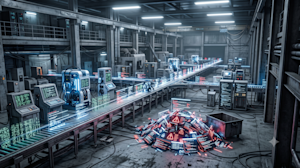
Companies racing to build AI-powered “software factories” are finding that cranking out code faster doesn’t automatically make it better. The idea—mod
Read Full Story at VentureBeat →Why This Matters
The misconception that AI-driven development can function like a factory—scaling output without commensurate quality—threatens to undermine the very productivity gains it promises. As companies race to deploy code faster, the real risk isn’t just more bugs, but a systemic erosion of trust in software reliability, which could reshape how customers and regulators view technological progress.
Background Context
For decades, software development has oscillated between two extremes: the rigid, process-heavy approach of the enterprise era and the agile, iterative methods that prioritized speed over structure. The rise of AI-assisted coding tools has reignited this tension, offering the siren call of instant productivity without the traditional safeguards of peer review, testing, and documentation that once defined software quality.
What Happens Next
Organizations that double down on speed without addressing quality will likely face a reckoning as technical debt accumulates, forcing costly overhauls or even system failures. Meanwhile, competitors that invest in robust validation frameworks may seize market share by delivering not just faster code, but more reliable and secure products. Regulatory scrutiny could also intensify, with potential mandates for AI-generated code audits.
Bigger Picture
This isn’t just a software development crisis—it’s a cautionary tale about automation’s blind spots. As AI becomes more deeply embedded in critical systems, the industry’s obsession with velocity risks outpacing its ability to anticipate consequences, raising questions about whether the next generation of technologists will prioritize craftsmanship over convenience.





