India post offices distribute free glasses in pilot program
A pilot program in northeastern India is using post offices to provide free eye screenings and reading glasses to people in underserved areas. The program, run by VisionSpring India and the World Heal
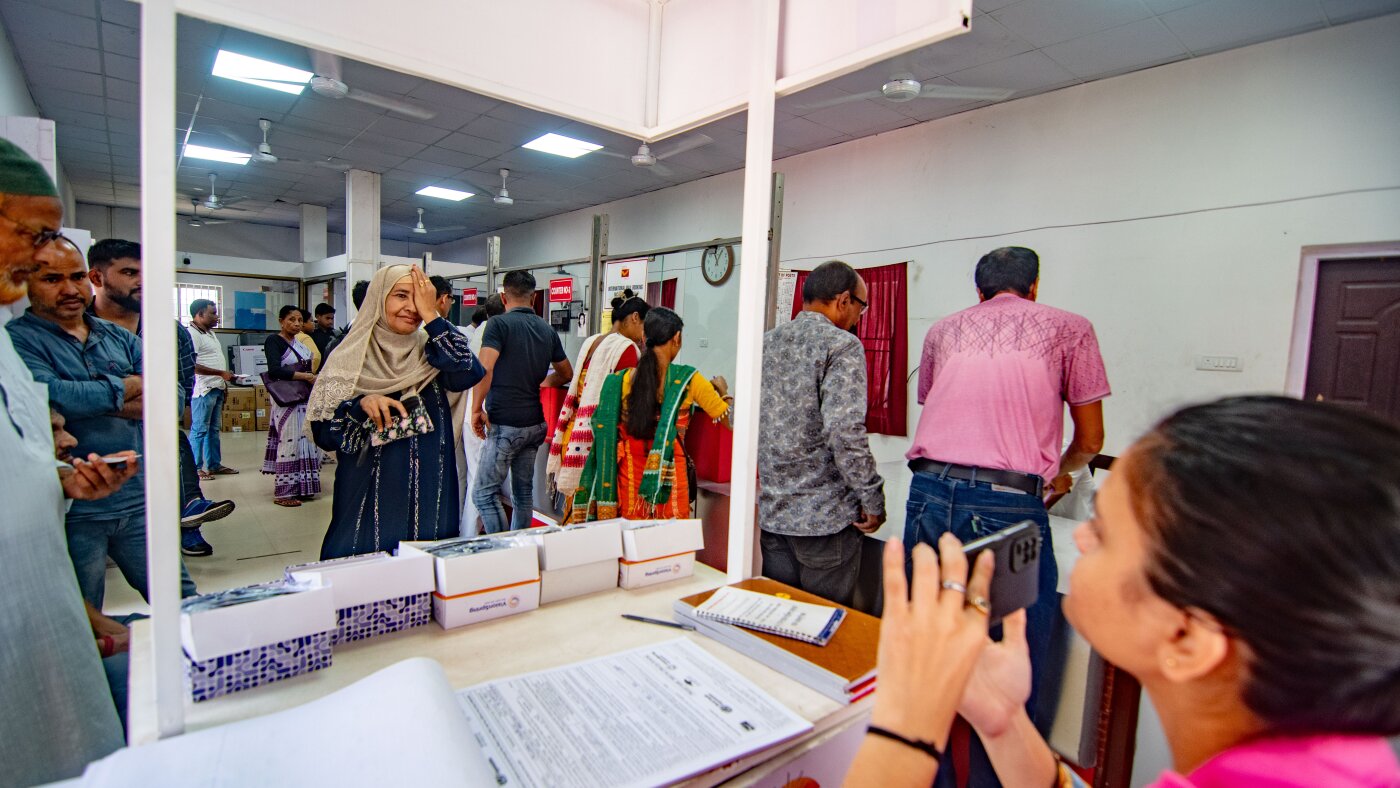
Most people who need glasses don't have them, a staggering reality that affects over 800 million people worldwide who suffer from presbyopia, a type o
Read Full Story at NPR News →Why This Matters
For millions in rural and underserved regions, untreated vision impairment isn’t just an inconvenience—it’s a barrier to economic mobility and social participation. This initiative doesn’t just correct eyesight; it tests whether last-mile delivery systems, long associated with mail and bureaucracy, can transform into platforms for public health. If scalable, it could redefine how essential services reach the hardest-to-reach communities.
Background Context
India’s public health infrastructure has historically struggled to bridge the gap between urban ophthalmology hubs and remote villages, where a lack of trained optometrists and affordable testing equipment persists. Meanwhile, post offices—once the backbone of rural communication—have faced declining relevance in the digital age, leaving a vast physical network underutilized. The convergence of these two gaps presents an unexpected opportunity for innovation.
What Happens Next
If the pilot demonstrates measurable improvements in school attendance, workplace productivity, or even reduced healthcare costs, expect rapid expansion to other states with similar postal density. Skeptics will scrutinize whether a non-health agency can maintain quality controls and equitable distribution, especially during monsoon seasons or in areas with poor road connectivity. The real test may lie in sustaining funding once the novelty wears off.
Bigger Picture
This model aligns with a growing trend of repurposing existing infrastructure for modern challenges, from using mobile networks for financial inclusion to leveraging libraries as broadband hotspots. It also highlights the potential of hybrid public-private partnerships to bypass traditional bureaucratic hurdles. If successful, it could inspire similar experiments in nutrition, vaccination, or even digital literacy—where proximity and trust are critical.


