Mount Toba eruption cooled Earth by less than 4°C
Mount Toba's 74,000-year-old super-eruption cooled Earth by under 4°C for a decade, causing minimal long-term impact on early humans. This challenges the "Toba catastrophe theory," suggesting modern …
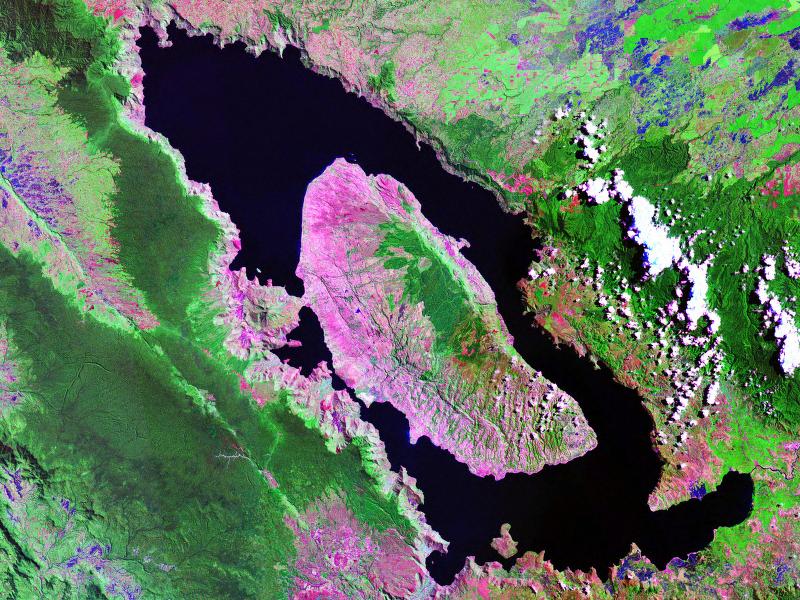
The ancient super-eruption of Mount Toba 74,000 years ago did not deliver the knockout punch to early human populations that some scientists once feared.
New evidence from Greenland ice cores and volcanic ash layers in East Africa shows the eruption’s climate impact was brief and mild. Sulfur aerosols—tiny particles that block sunlight—spread for just six years. Global temperatures dropped by less than 4°C and rebounded within a decade. Early humans in Africa and Asia faced environmental stress, but the damage was short-lived.
The findings challenge the “Toba catastrophe theory,” which argued the eruption triggered a decade-long volcanic winter. That idea relied on computer models and sparse geological records. Improved ice-core sampling and ash dating now show the eruption’s sulfur output was smaller than previously thought. Early humans also proved resilient, adapting through cultural shifts and migration. Archaeological sites in India and South Africa show human activity continued without major disruption.
The research matters because it reshapes how we view catastrophic volcanic risks today. Super-eruptions are rare but can still happen—Yellowstone’s caldera is one example. If Toba’s impact was limited, modern society might fare better against future eruptions, even large ones. Scientists now plan to refine climate models using the new ice-core data. The study also underscores how human adaptability can outlast even the toughest natural disasters.
Read Full Story at Ars Technica →