Colombia bans female genital mutilation after unanimous congressional vote
Colombia has become the first Latin American country to outlaw female genital mutilation (FGM) following a unanimous vote in Congress, amid ongoing reports of the practice in certain communities. Thi…
Colombia has officially outlawed female genital mutilation (FGM), becoming the first country in Latin America to do so. The landmark legislation passed unanimously in Congress last week after a vigorous campaign by activists and lawmakers, marking a significant step in the fight against this harmful practice.
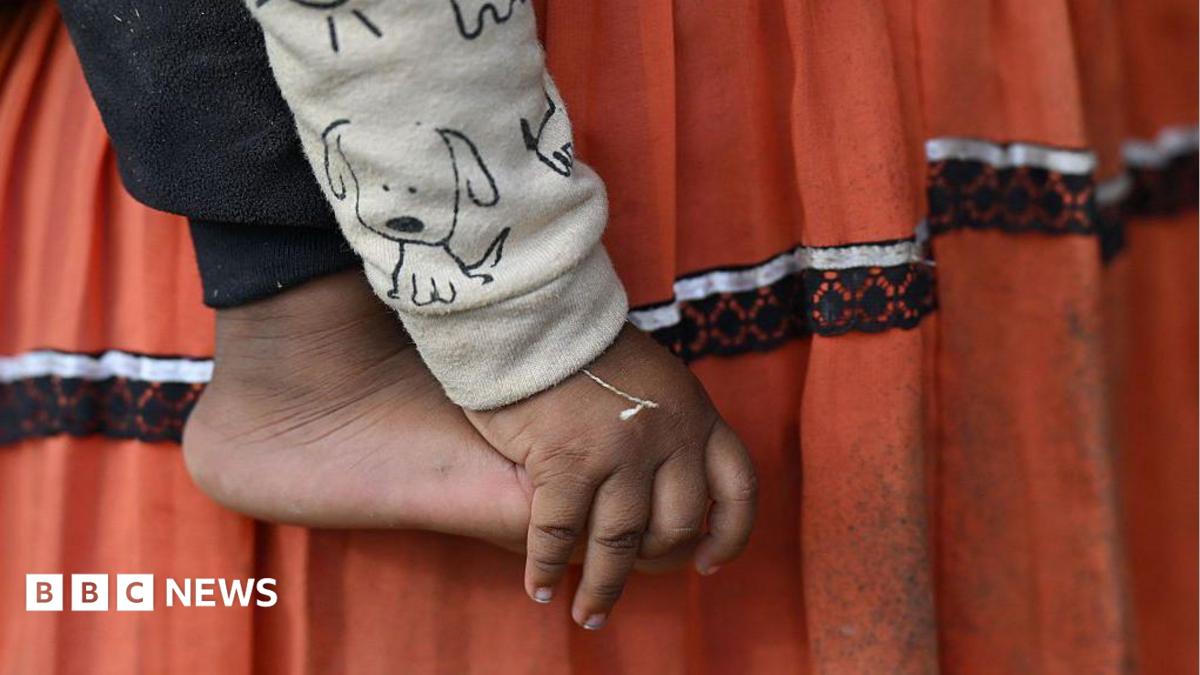
The urgency of the ban comes amid reports of ongoing FGM within certain communities in Colombia, particularly among the Emberá Indigenous population. Carla Quiñonez, a prominent activist, shared her personal experience when her grandmother subjected her six-month-old daughter to FGM without her consent. When Quiñonez received her baby back, the child was in distress, experiencing fever, swelling, and constant crying. Quiñonez confronted her grandmother, who dismissed her concerns and insisted the procedure was normal.
FGM involves the partial or total removal of the external female genitalia and can lead to severe medical complications, including hemorrhaging, infections, and long-term issues with menstruation and childbirth. The World Health Organization estimates that over 230 million women and girls worldwide have undergone this procedure, with the majority affected in African nations. In Colombia, between 2020 and June 2026, authorities recorded 240 cases of FGM, predominantly affecting girls under six years old. However, medical professionals like pediatrician Diana Ramos Mosquera believe this number represents only a fraction of the actual incidents.
The new law is expected to provide a framework for education and prevention, as well as legal repercussions for those who continue to practice FGM. Quiñonez's advocacy work aims to raise awareness about the dangers of FGM and to ensure that girls are protected from this harmful tradition. The ban is a crucial move towards safeguarding the rights and health of women and girls in Colombia, signaling a broader commitment to ending gender-based violence and discrimination.
Read Full Story at BBC World News →