NASA invites students to pitch lunar tech concepts for $10,000 prize
NASA’s RASC-AL challenge invites student teams to pitch lunar technology concepts for a $10,000 prize. Winning ideas could directly influence Artemis program planning and future moon infrastructure.
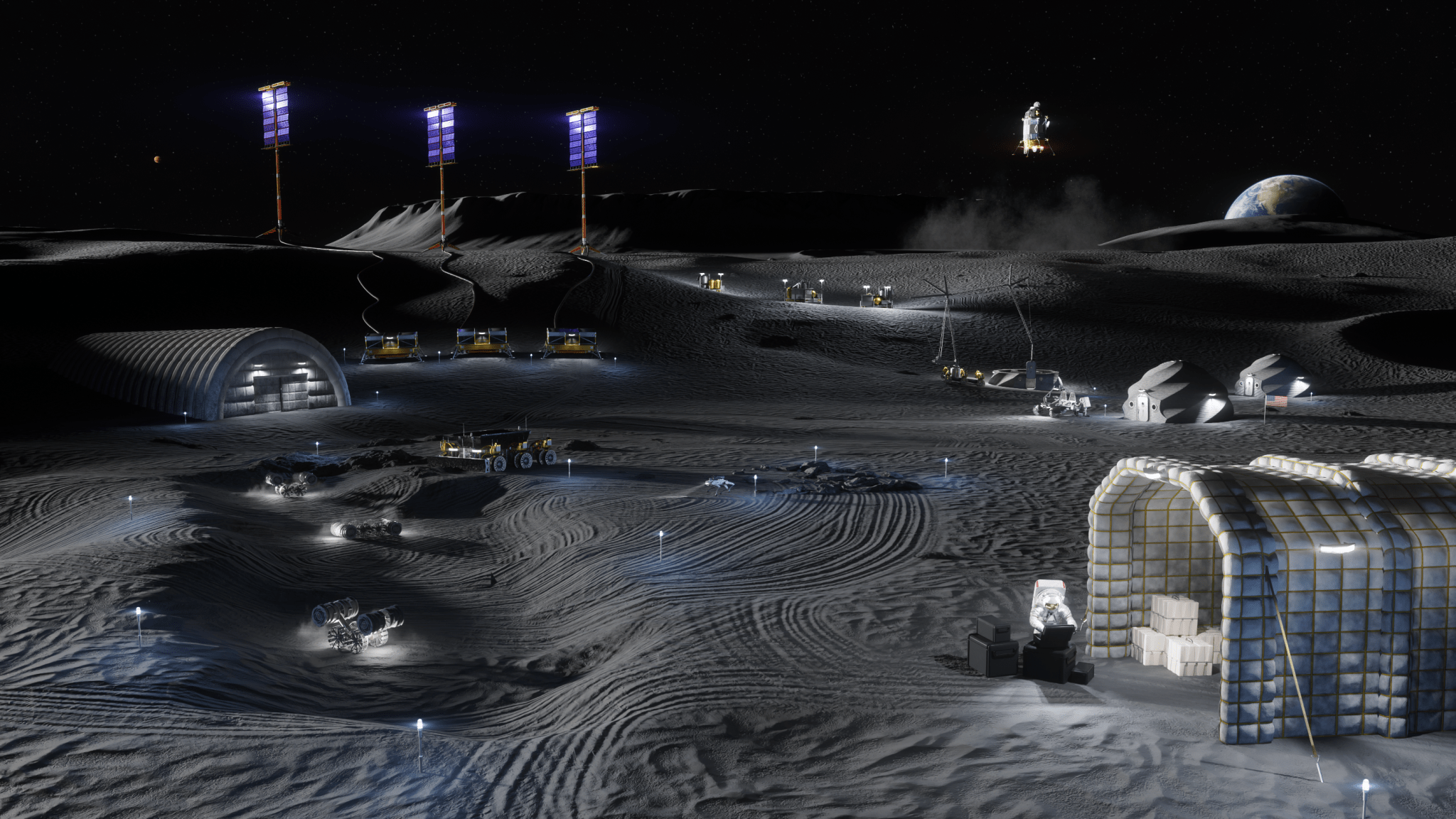
NASA has called on U.S. college teams to pitch bold, original ideas for a 2027 student challenge that could shape the agency’s future lunar plans. The competition, named the Revolutionary Aerospace Systems Concepts – Academic Linkage (RASC‑AL), invites students to submit concepts that push new ways of operating and to advance the technology needed for a sustainable presence on the Moon.
The call comes as NASA ramps up its Artemis program and looks for fresh thinking beyond traditional spacecraft designs. By engaging young engineers and scientists, the agency hopes to uncover innovative solutions that could reduce cost, increase safety, and open new scientific opportunities. The challenge reflects a broader push to commercialize lunar resources and to create a reusable infrastructure that can support longer missions.
Teams must submit a concise proposal that outlines their concept, the technologies involved, and how the idea would fit into a future lunar architecture. Proposals should include a clear problem statement, a high‑level design, and a plan for testing or validation. Entries are judged on creativity, feasibility, and potential impact on future lunar operations. The competition opens on May 1 and closes on July 15, with winners announced in September. NASA will provide a $10,000 prize and a chance to meet with agency leaders.
If successful, the winning concepts could feed directly into NASA’s planning and procurement processes. The agency plans to use the ideas to shape research priorities and to identify new partnership opportunities with private industry. For students, the competition offers a rare chance to influence real space policy and to gain exposure to NASA’s engineering community. The RASC‑AL challenge underscores the agency’s belief that the next wave of lunar exploration will depend on fresh, outside perspectives.
Read Full Story at NASA →