NASA sets 2030 deadline for private space stations
NASA released detailed requirements for private space stations to replace the ISS by 2030, shifting from ownership to purchasing services. This matters because NASA aims to avoid a research gap and re
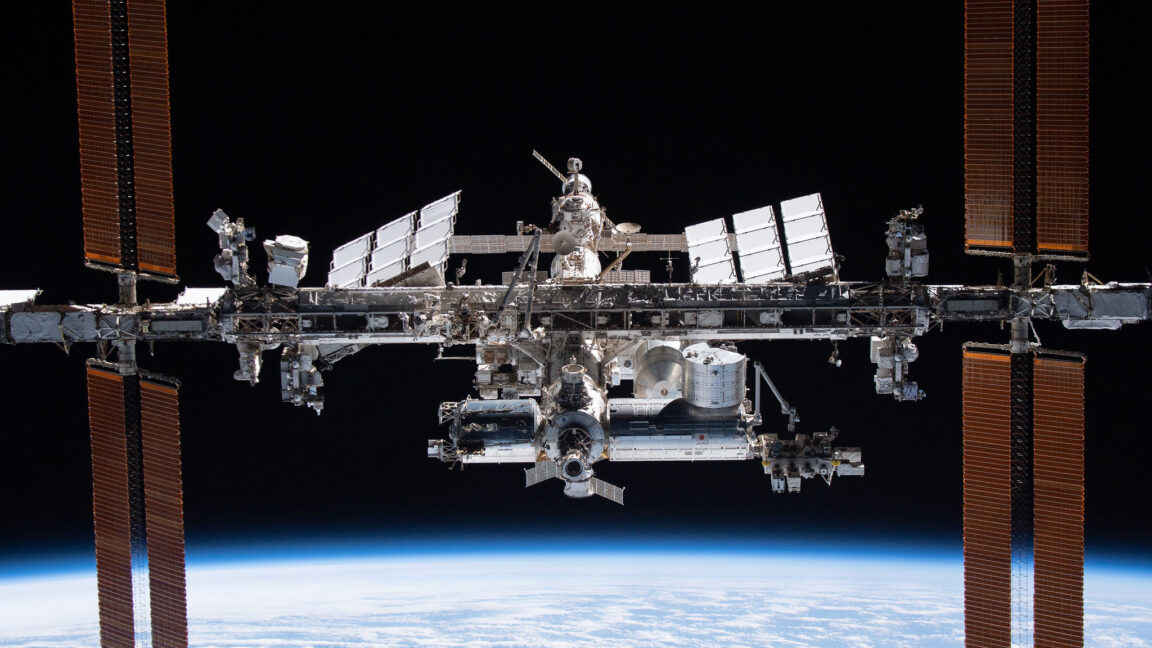
NASA has just published a set of detailed requirements telling private companies exactly what it wants from the commercial space stations it plans to
Read Full Story at Ars Technica →Why This Matters
The shift from direct ownership to purchasing services from private space stations represents a fundamental reimagining of NASA’s role in low Earth orbit. If successful, it could validate a new commercial model for space exploration, proving that government agencies can outsource critical infrastructure while maintaining scientific and strategic objectives. The stakes are high—failure could leave a research vacuum between the ISS and its successors.
Background Context
NASA’s International Space Station (ISS) has been a symbol of global cooperation since 1998, but its operational lifespan is limited. The agency has spent decades refining its approach to space station partnerships, learning from the Mir program and the ISS itself. Now, with budget pressures and a push toward commercialization, NASA is betting big on private ventures like Axiom Space and Orbital Reef to keep research continuity alive.
What Happens Next
The next 18 months will be decisive as companies finalize station designs and compete for NASA’s Commercial Low Earth Orbit Destinations contracts. Contract awards in 2026 will determine which designs move forward, while Congress debates funding levels that could accelerate or delay the transition. A key unknown is whether private stations can attract enough non-NASA customers to sustain operations.
Bigger Picture
This pivot aligns with a broader trend of government agencies leveraging private sector innovation, seen in commercial crew programs and lunar lander contracts. It also reflects growing confidence in the commercial space industry’s maturity, though the ISS’s retirement in 2030 leaves little margin for error. The outcome could set the template for future off-world infrastructure, from lunar bases to Mars missions.