NASA tests in-space refueling device successfully
NASA tested a new in-space refueling device that successfully transferred volatile propellants without leaks, a critical step for longer missions. This technology could reduce launch costs and enable
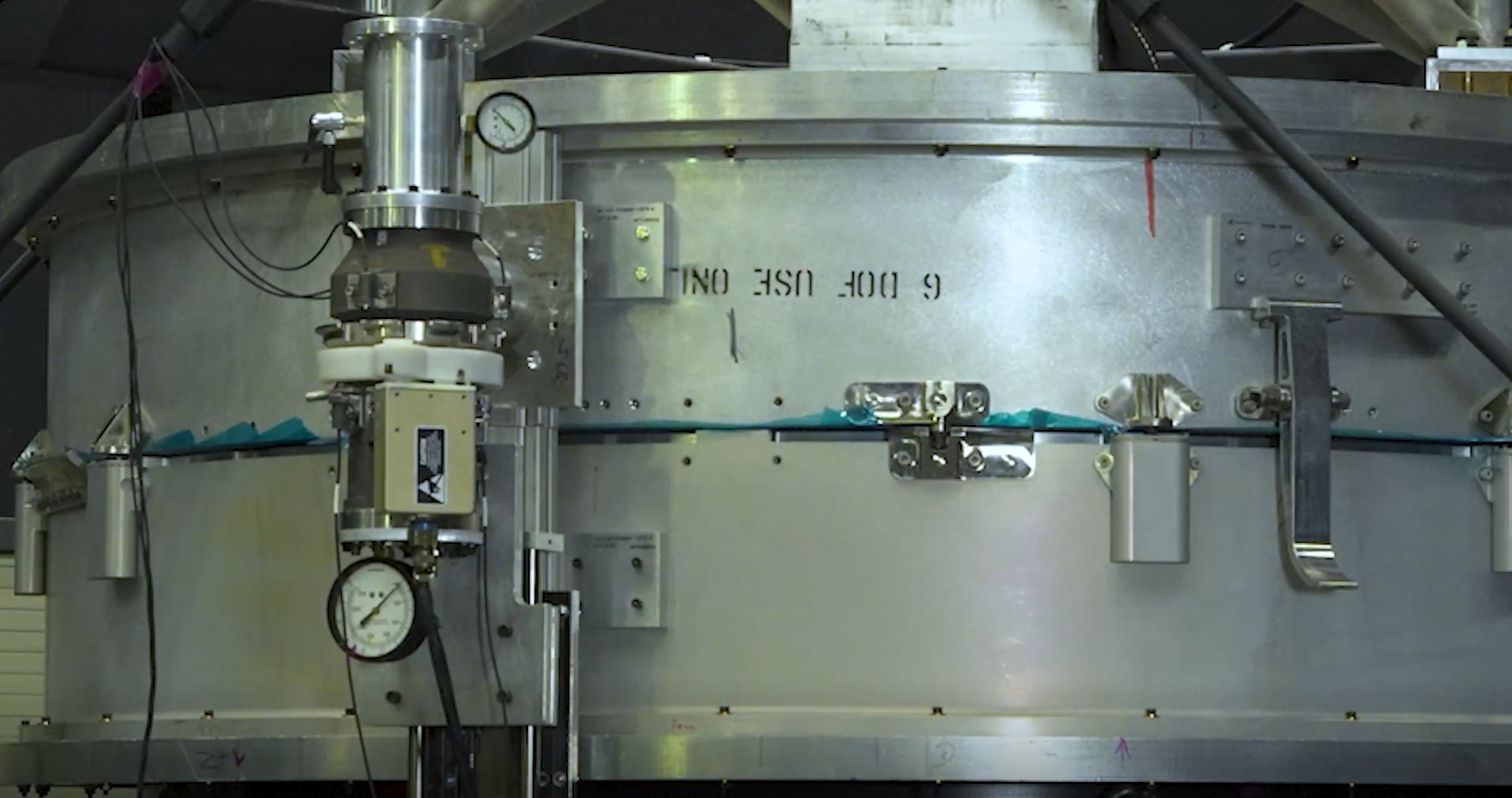
NASA has successfully tested a new refueling device designed to let spacecraft top up their tanks while in Earth orbit, a critical step toward longer,
Read Full Story at NASA →Why This Matters
The breakthrough in in-space refueling technology marks a paradigm shift in space exploration, effectively decoupling mission endurance from the limitations of single-launch fuel capacity. By enabling spacecraft to refuel in orbit, NASA is laying the groundwork for sustainable deep-space missions that could one day reach Mars without the prohibitive cost of carrying all propellant from Earth.
Background Context
Current space missions rely entirely on pre-launched fuel reserves, forcing engineers to make painful trade-offs between payload mass and mission duration. Past attempts at orbital refueling stalled due to technical hurdles like propellant sloshing and cryogenic boil-off, while private ventures like SpaceX’s Starship have only recently revived serious discussion of in-space propellant depots.
What Happens Next
With this test validating the core mechanics of propellant transfer, NASA will likely accelerate development of orbital depots and standardized refueling interfaces for commercial and international partners. The next critical phase will involve proving the system’s reliability during multi-year missions, where micrometeorite impacts and radiation could threaten fuel integrity.
Bigger Picture
This technology aligns with a broader movement toward "cislunar economy" architectures, where fuel harvested from lunar ice or Martian regolith could become a tradable commodity. Success here would validate the "gas station in space" concept, potentially reshaping launch economics and accelerating humanity’s expansion beyond low Earth orbit.




