NASA and Japan launch Martian Moons mission to explore Phobos and Deimos
NASA is collaborating with Japan on the Martian Moons eXploration (MMX) mission, set to launch in 2024, to return samples from Mars' moons Phobos and Deimos by 2029. This mission aims to determine th…
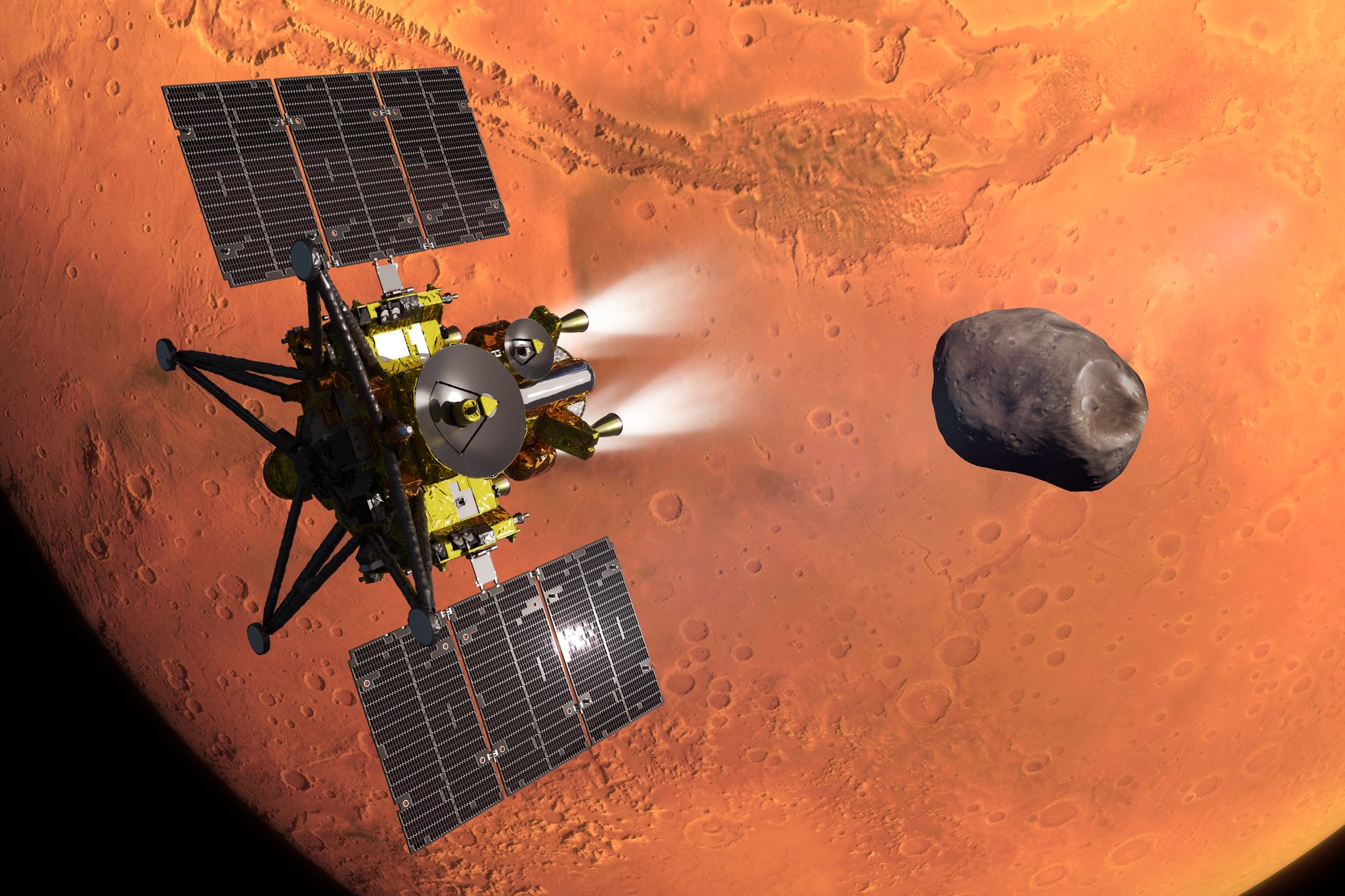
NASA will provide key hardware and scientific support for Japan’s Martian Moons eXploration (MMX) mission, which is set to launch in 2024 and return samples from Phobos and Deimos by the end of the decade. The collaboration marks the first time the United States and Japan have teamed on a sample‑return mission to Mars’ tiny moons. NASA’s role includes a high‑resolution camera, a thermal emission spectrometer, and the spacecraft’s communications system. The partnership aims to deliver the first pristine material from either moon to Earth for analysis.
The moons have puzzled scientists since they were first photographed by Mariner 9 in 1971. Two main theories compete: the moons could be captured asteroids, or they could have formed from debris after a massive impact on Mars. Determining their origin would reshape our understanding of how planetary systems evolve. Past missions, such as Mars Express and the Hubble Space Telescope, have only offered remote observations, leaving many questions unanswered. A sample return would let researchers examine the rocks’ composition, age, and any organic molecules directly, something no telescope can achieve.
NASA’s contribution is part of a $1.5 billion international effort, with Japan covering most of the cost and the United States committing roughly $200 million. The agency will also share its expertise in sample containment, drawing on lessons from the OSIRIS‑REx and Hayabusa2 missions. Planetary scientists worldwide have praised the joint venture, saying it could finally settle the debate over the moons’ birth. The mission also serves as a testbed for technologies needed for future human exploration of Mars, where Phobos and Deimos could become staging points for cargo or crew.
After launch, MMX will spend about two years cruising to Mars, then orbit the planet to study the moons up close before landing on Phobos in 2026. It will collect up to 10 grams of material, launch a return capsule in 2027, and deliver the samples to Earth in 2029. The data and rocks will be examined by labs around the world, potentially revealing clues about the early solar system and informing the design of habitats that might one day use the moons as a resource hub. The mission’s success could open a new era of international cooperation on deep‑space sample returns.
Read Full Story at NASA →