NASA Transfers ‘Hundred Acre Wood’ to Patuxent Research Refuge
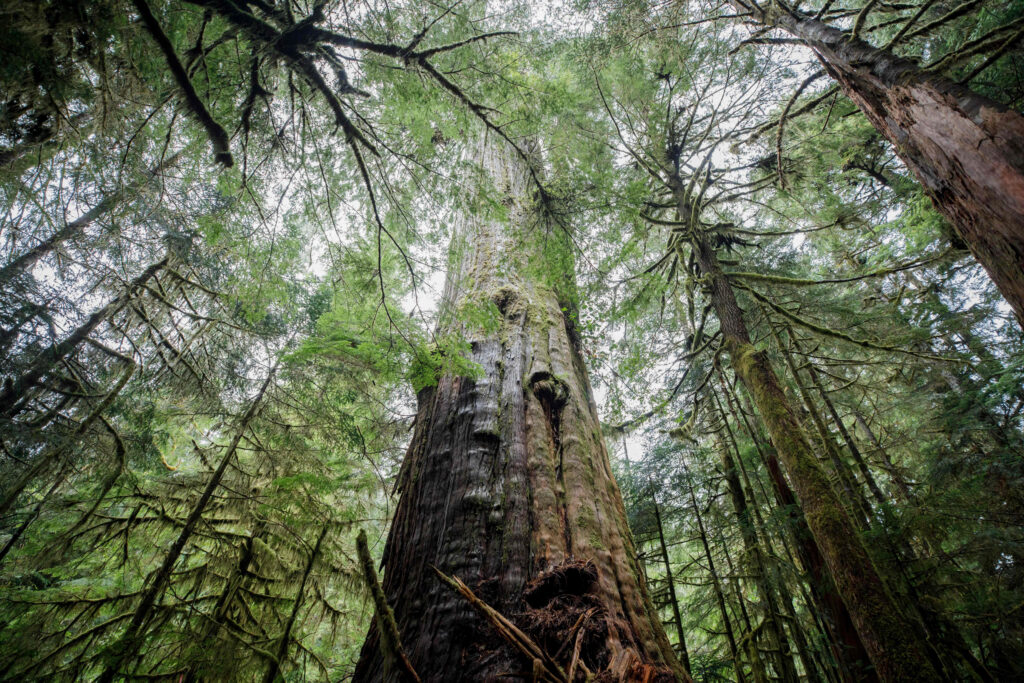
NASA ceremonially transferred ownership of about 105 acres of wooded land at its Goddard Space Flight Center’s Greenbelt, Maryland, campus Tuesday to the adjoining Patuxent Research Refuge, managed by
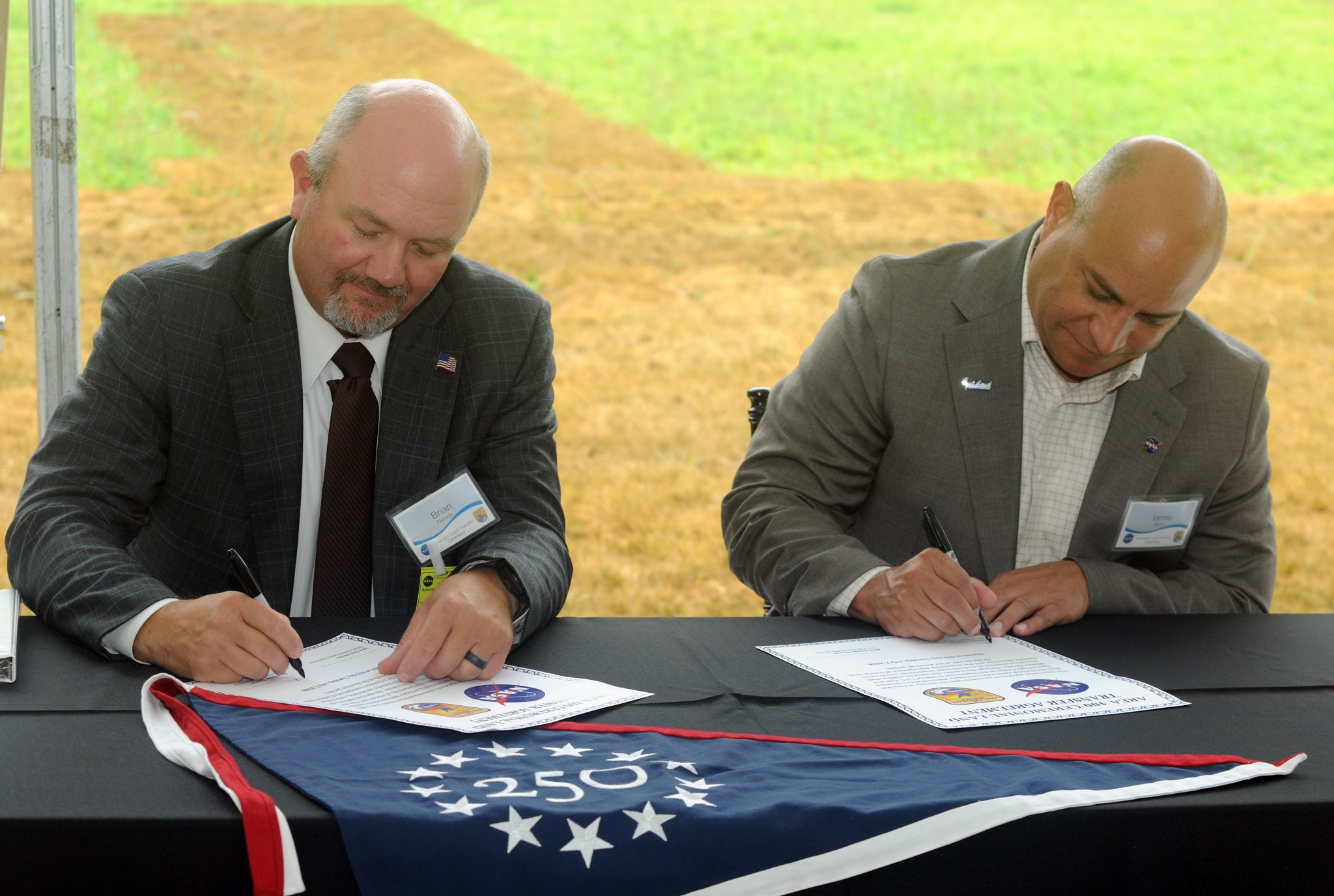
NASA ceremonially transferred ownership of about 105 acres of wooded land at its Goddard Space Flight Center’s Greenbelt, Maryland, campus Tuesday to
Read Full Story at NASA →Why This Matters
This land transfer underscores NASA’s evolving role in environmental stewardship, signaling a shift from exclusive scientific utilization to collaborative conservation. It reflects a growing recognition that federal agencies must balance research imperatives with habitat preservation, setting a precedent for future interagency land management decisions.
Background Context
Acquired in the 1960s during the space race, the Goddard Space Flight Center’s wooded acreage was initially designated for satellite testing and aerospace research. The Patuxent Research Refuge, established in 1936 as one of the nation’s first wildlife preserves, has long sought to expand its contiguous habitat to support threatened species like the Delmarva fox squirrel.
What Happens Next
Ecologists will likely assess the ecological impact of the transfer, while NASA may redirect funds previously allocated for land maintenance toward other campus infrastructure. The move could also prompt Congressional review of federal land-use policies, particularly regarding surplus property reallocation to conservation agencies.
Bigger Picture
This transfer aligns with a broader federal trend of repurposing surplus land for conservation, seen in recent BLM and Department of Defense initiatives. It also highlights the tension between scientific expansion and ecological preservation, a debate intensifying as climate change pressures federal land management.