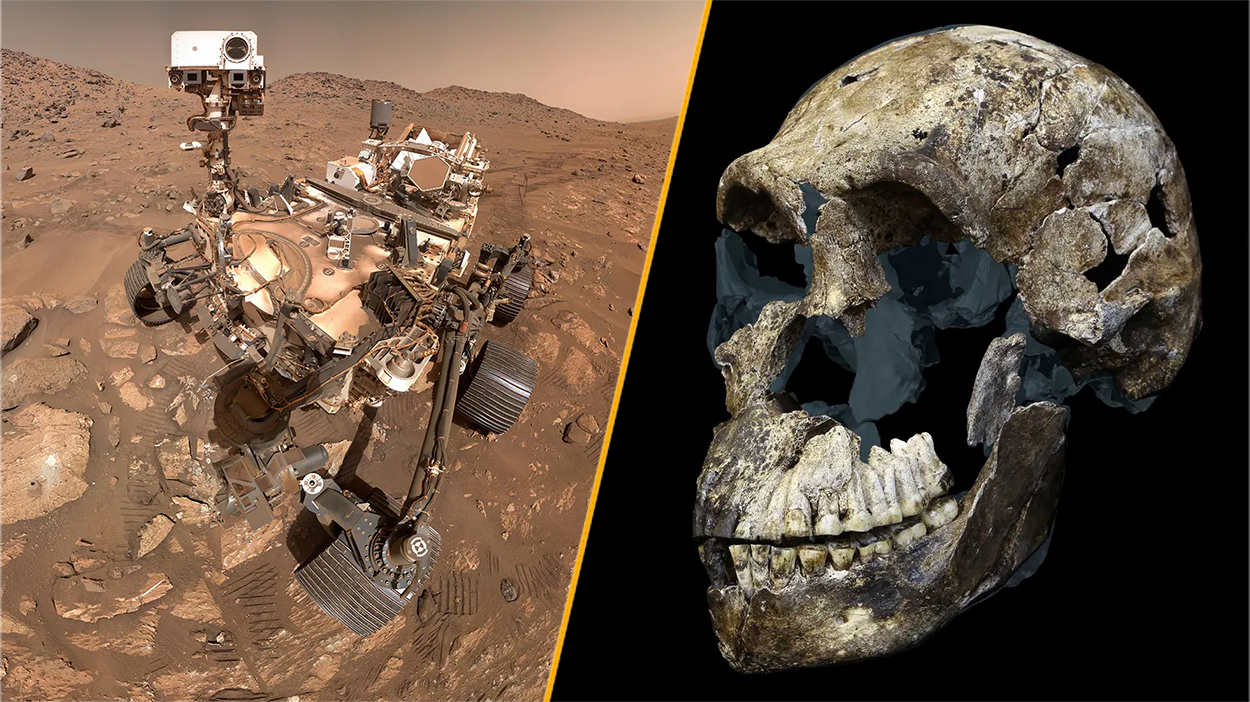
NASA Volunteers Help Zooniverse Reach 1 Billion Classifications
The Zooniverse, a NASA grantee that runs the world’s largest platform for online people-powered research, has reached an extraordinary milestone: 1 billion classifications contributed by volunteers ar
The Zooniverse, a NASA grantee that runs the world’s largest platform for online people-powered research, has reached an extraordinary milestone: 1 bi
Read Full Story at NASA →Why This Matters
The milestone of 1 billion classifications on Zooniverse underscores the untapped potential of citizen science in accelerating discovery when human intuition and machine learning intersect. It proves that even in an era dominated by AI, large-scale collaboration between the public and researchers can solve problems that automated systems alone cannot. This achievement also democratizes scientific progress, proving that meaningful contributions to science are not confined to labs or institutions but can emerge from living rooms and classrooms worldwide.
Background Context
Zooniverse traces its roots to Galaxy Zoo, a 2007 project where volunteers helped classify galaxies by shape, which led to unexpected discoveries like the "green pea" galaxies. Since then, the platform has expanded into fields ranging from climate science to wildlife monitoring, often serving as a bridge between researchers and the public. NASA’s ongoing support reflects a strategic investment in crowd-sourced research, particularly as federal budgets for large-scale observatories and missions face constraints.
What Happens Next
With 1 billion classifications now logged, researchers are likely to refine their approaches to data processing, potentially integrating more advanced AI tools to prioritize human-reviewed work. The platform may also see increased competition for volunteer engagement as other citizen science initiatives emerge, forcing Zooniverse to innovate in how it retains and motivates participants. Additionally, this milestone could pressure institutions to formalize recognition of volunteer contributions, such as co-authorship in research papers.
Bigger Picture
This achievement aligns with a broader shift toward participatory science, where global connectivity enables real-time collaboration across disciplines. It also highlights the scalability of open-access models in research, challenging traditional funding structures that prioritize proprietary data. As climate change and biodiversity loss demand rapid solutions, platforms like Zooniverse demonstrate how decentralized efforts can complement—and sometimes outpace—traditional scientific methods.