NASA’s CAPSTONE ends 14-month lunar navigation test
NASA’s CAPSTONE spacecraft completed a 14-month mission testing autonomous lunar navigation and communication, validating software for precise positioning without Earth-based tracking. This breakthrou
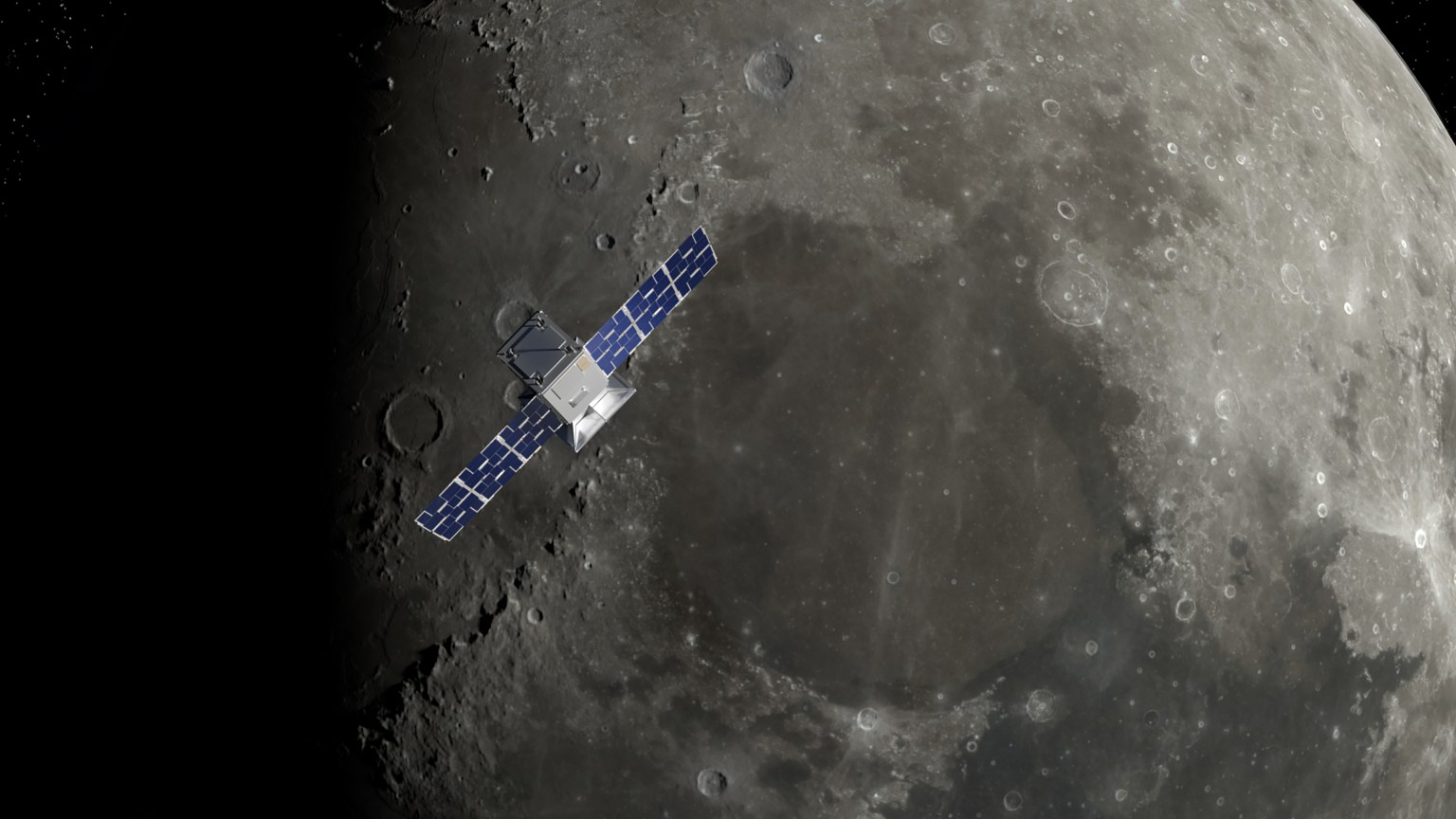
NASA’s CAPSTONE spacecraft has wrapped up a 14-month extended mission testing key technologies for future lunar exploration. The small satellite, no b
Read Full Story at NASA →Why This Matters
The successful completion of CAPSTONE’s mission marks a critical step toward sustainable lunar exploration, demonstrating that autonomous navigation can replace Earth-based dependency for spacecraft—a capability essential for the Artemis program and future deep-space missions. By validating the Cislunar Autonomous Positioning System (CAPS), NASA is reducing operational costs and latency, which could accelerate the timeline for establishing a permanent human presence on the Moon.
Background Context
CAPSTONE was not just a technology demonstrator but a strategic asset in NASA’s broader push to decentralize lunar operations, leveraging commercial partnerships—like Rocket Lab’s Photon bus—to keep costs low while testing high-risk, high-reward systems. The mission’s extended duration, nearly doubling its original six-month plan, highlighted the resilience of smallsat technology in harsh environments, a lesson that may influence future Mars-bound architectures where real-time ground control is impossible.
What Happens Next
With the autonomous navigation and communication data now in hand, NASA will likely prioritize integrating CAPS into the Lunar Gateway and Artemis landers, while commercial players may adopt the technology for lunar logistics and resource prospecting missions. The next critical test will be scaling these systems for crewed missions, where precision and redundancy become non-negotiable—failure here could delay Artemis’s 2025-26 timeline.
Bigger Picture
CAPSTONE’s success underscores a broader shift in spaceflight, where small, agile missions are proving just as transformative as flagship programs—blurring the lines between exploration and commercialization. As nations and companies race to exploit lunar resources, autonomous systems like CAPS could become a geopolitical lever, with the U.S. setting de facto standards for cislunar traffic management in an increasingly crowded orbital regime.