Juno Measures Io’s Subsurface Temperature, Confirms Tidal Heating
NASA’s Juno spacecraft measured Io’s subsurface temperature for the first time, revealing it is hotter than expected. This confirms tidal heating powers the moon’s extreme volcanism, clarifying why it
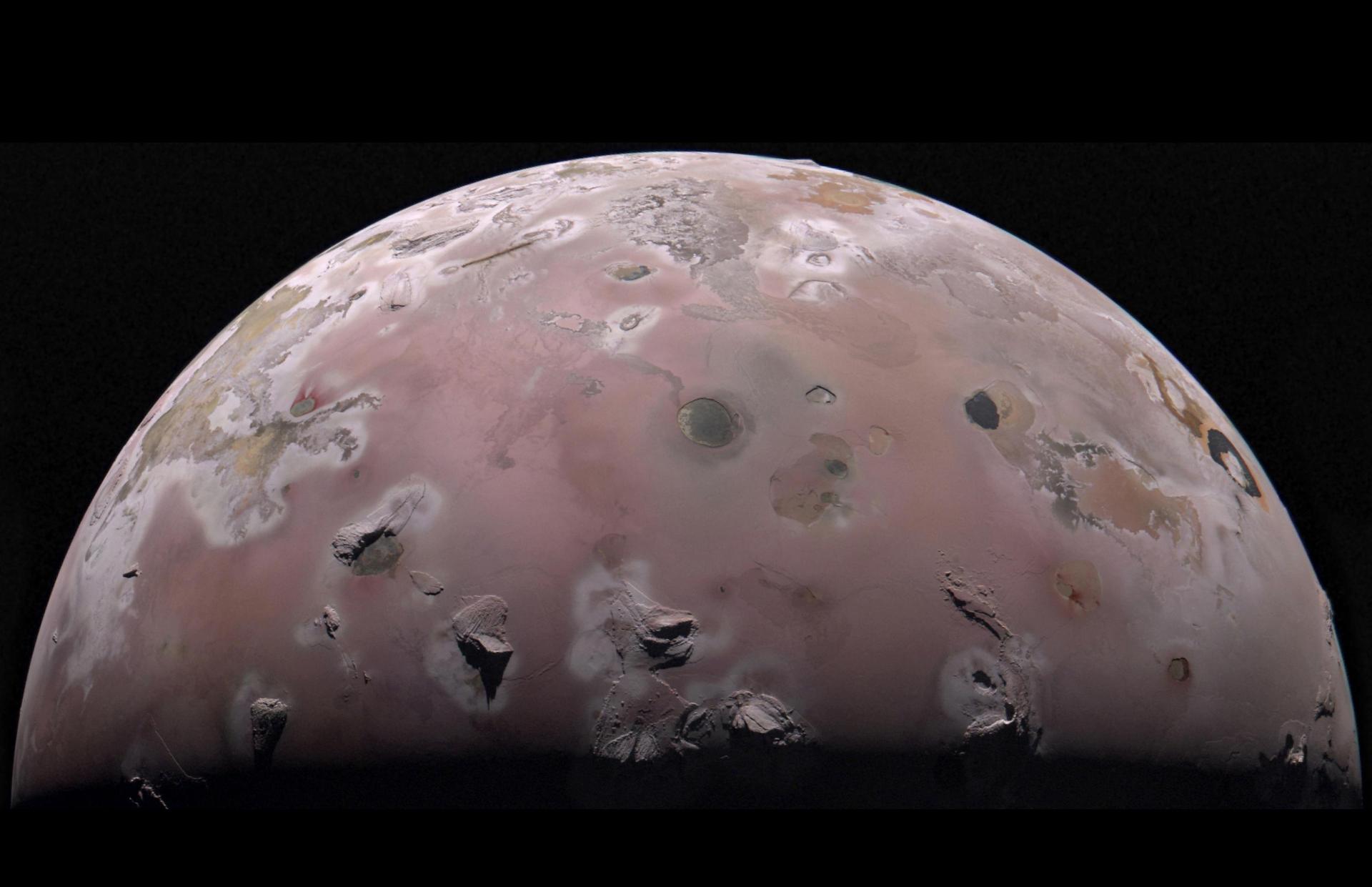
NASA’s Juno spacecraft measured the temperature inside the shallow subsurface of Jupiter’s moon Io, the first time scientists have seen how hot the la
Read Full Story at NASA →Why This Matters
The measurement of Io's subsurface temperature marks a significant advancement in our understanding of celestial bodies within our solar system. By confirming that tidal heating drives the extreme volcanic activity on Io, this finding not only enhances our knowledge of the moon itself but also sheds light on the dynamic processes that govern other planetary bodies, potentially influencing astrobiological research in the search for life beyond Earth.
Background Context
Io is one of the four largest moons of Jupiter, known for its striking geological activity, including hundreds of volcanoes and lava flows. Historically, the intense heat and activity on Io have puzzled scientists, leading to theories about tidal forces from Jupiter's immense gravity and interactions with its neighboring moons, which have now been substantiated by Juno's findings.
What Happens Next
With this new data, researchers can refine models of Io's geology and its interactions with Jupiter's magnetosphere. Future missions and studies may focus on further investigating the moon's surface and subsurface dynamics, as well as exploring the implications of tidal heating in other celestial environments, potentially revealing more about the evolution of moons and planets.
Bigger Picture
This discovery ties into a broader trend of increasing interest in the geological and geophysical characteristics of moons in our solar system. As technology advances, missions like Juno are paving the way for more sophisticated exploration, encouraging a deeper examination of how these bodies evolve and interact, which could reshape our understanding of planetary systems in general.