NASA spacecraft finds wobbling peanut-shaped asteroid with water signs
NASA’s Lucy spacecraft discovered asteroid Donaldjohanson is a wobbling, peanut-shaped remnant from a past collision, with signs of ancient water; this reveals how asteroids may have delivered water t
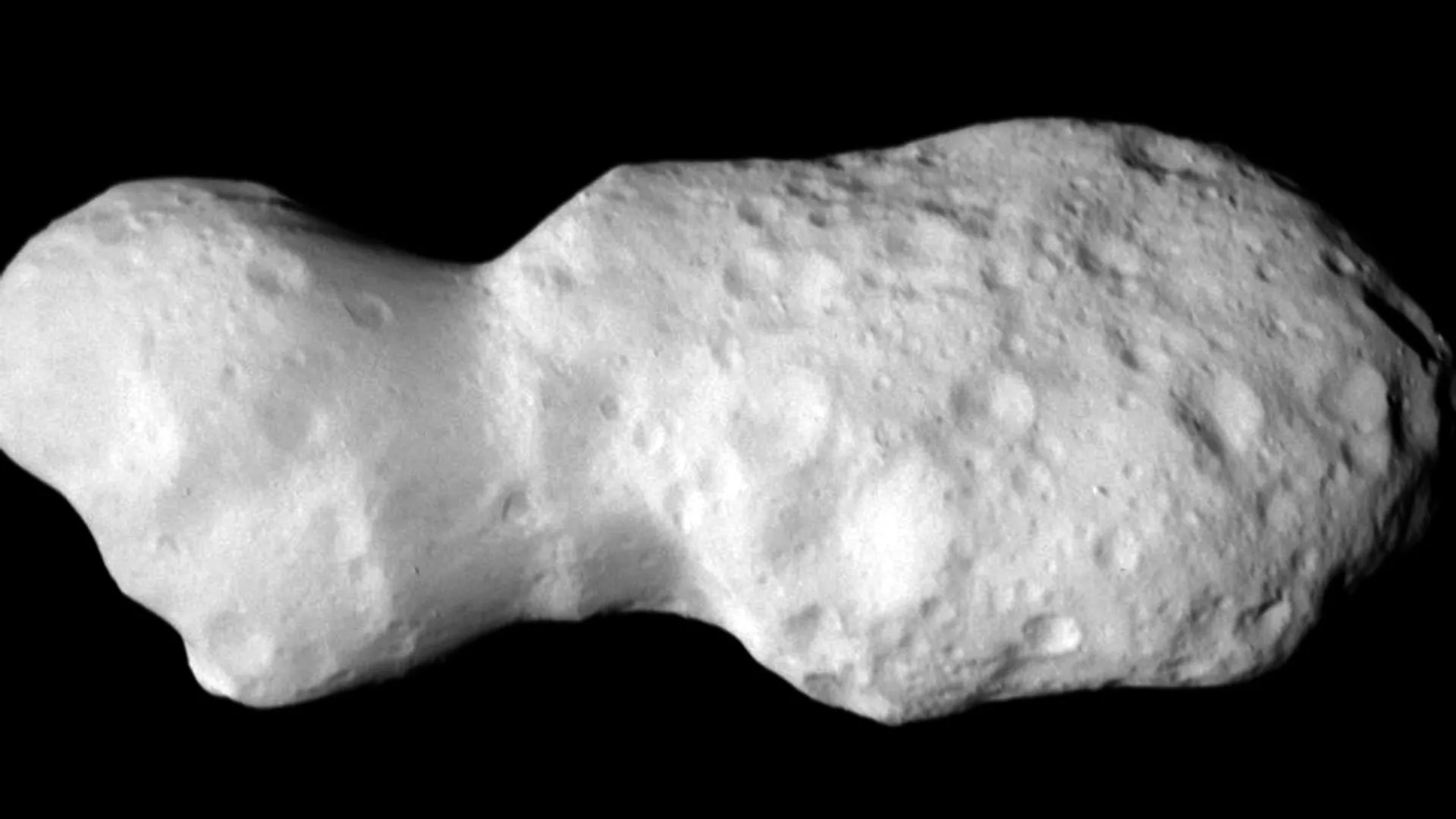
NASA’s Lucy spacecraft has found that asteroid Donaldjohanson is a wobbling, peanut-shaped relic from a violent collision, reshaped by sunlight and ca
Read Full Story at ScienceDaily →Why This Matters
The discovery of Donaldjohanson’s irregular shape and water signatures underscores how small celestial bodies may have shaped Earth’s early geochemistry, challenging the notion that water arrived only through comets. This peanut-shaped asteroid could redefine our understanding of planetary formation, suggesting that asteroid impacts played a more nuanced role in delivering volatiles to the inner solar system than previously assumed.
Background Context
Asteroids like Donaldjohanson are remnants of the early solar system, preserved in the main belt between Mars and Jupiter. Lucy’s mission, part of NASA’s Discovery Program, is the first to explore Jupiter’s Trojan asteroids—primitive bodies that may hold clues to the solar system’s infancy. The spacecraft’s flyby of this 2.8-mile-wide asteroid marks a critical milestone in planetary science, bridging gaps between main-belt asteroids and the Trojans.
What Happens Next
Scientists will now analyze the asteroid’s composition to determine the exact nature of its water signatures, which could reveal whether the water was bound in hydrated minerals or surface ices. Further observations may also clarify how its wobbling motion—a result of its irregular shape—affects its long-term stability. Future missions, including potential sample returns, could leverage these findings to refine asteroid deflection strategies or resource extraction techniques.
Bigger Picture
This discovery aligns with a growing focus on asteroid research as a window into Earth’s past, with missions like OSIRIS-REx and Hayabusa2 already demonstrating the scientific and economic value of these bodies. As space agencies prioritize asteroid exploration for both planetary defense and in-situ resource utilization, Donaldjohanson’s oddities highlight the need for adaptive mission designs. The wobbling peanut may be a minor anomaly today, but it could reshape how we perceive the dynamic processes that sculpted our solar system.







