NASA’s MAVEN Illuminates New Understanding of Auroras at Mars
NASA MAVEN (Mars Atmosphere and Volatile Evolution) mission scientists have uncovered a key puzzle piece in understanding certain types of auroras on Mars, finding that they form in a similar way to E
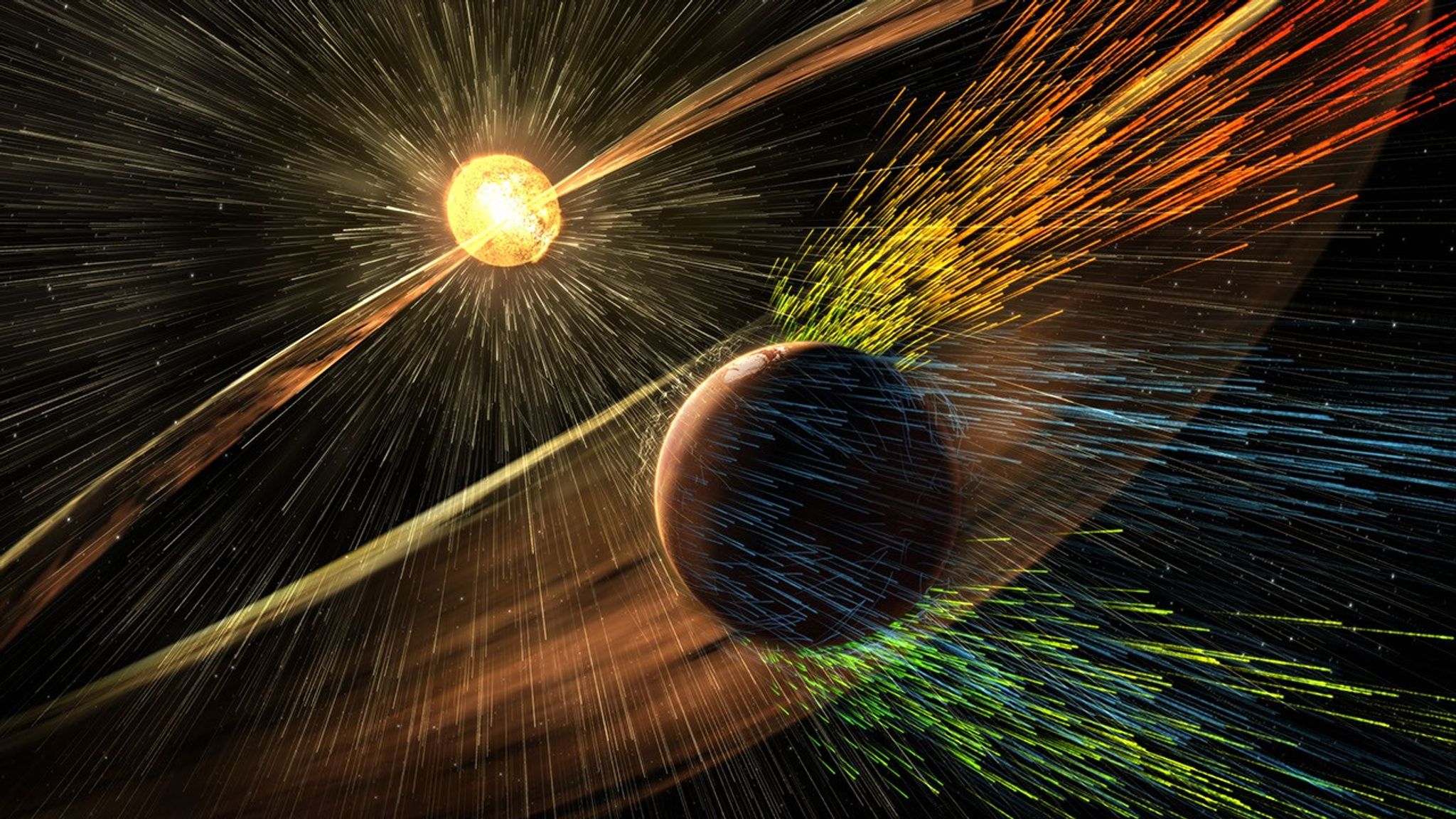
NASA MAVEN (Mars Atmosphere and Volatile Evolution) mission scientists have uncovered a key puzzle piece in understanding certain types of auroras on
Read Full Story at NASA →Why This Matters
The recent findings from NASA's MAVEN mission provide crucial insights into the atmospheric dynamics of Mars, particularly regarding auroras. Understanding how these phenomena occur not only enhances our knowledge of Martian weather patterns but also serves as a gateway to exploring the planet's habitability and past environmental conditions.
Background Context
Auroras have long fascinated scientists, with Earth’s own auroras serving as a benchmark for understanding similar phenomena on other planets. The MAVEN mission, launched in 2013, aims to study the Martian atmosphere and has been pivotal in unraveling the complexities of Mars' environmental history and atmospheric loss over time.
What Happens Next
As scientists continue to analyze the data from MAVEN, future research may focus on the implications of these auroral mechanisms for Mars' climate and potential for past life. Additionally, the findings could inform future exploratory missions aimed at assessing the planet's surface and atmospheric conditions.
Bigger Picture
This discovery aligns with a growing trend in planetary science that emphasizes comparative studies across celestial bodies. As we learn more about Mars, we enhance our broader understanding of planetary atmospheres, which could have significant implications for exoplanet research and the search for life beyond Earth.