NASA's Nancy Grace Roman Space Telescope is set to launch on August 30
It’s launching earlier than planned if everything goes well. NASA is targeting an August 30, 2026 launch date for the Nancy Grace Roman Space Telescope, eight months earlier than originally planned and sooner than the September schedule it announced earlier this year. In late Ma
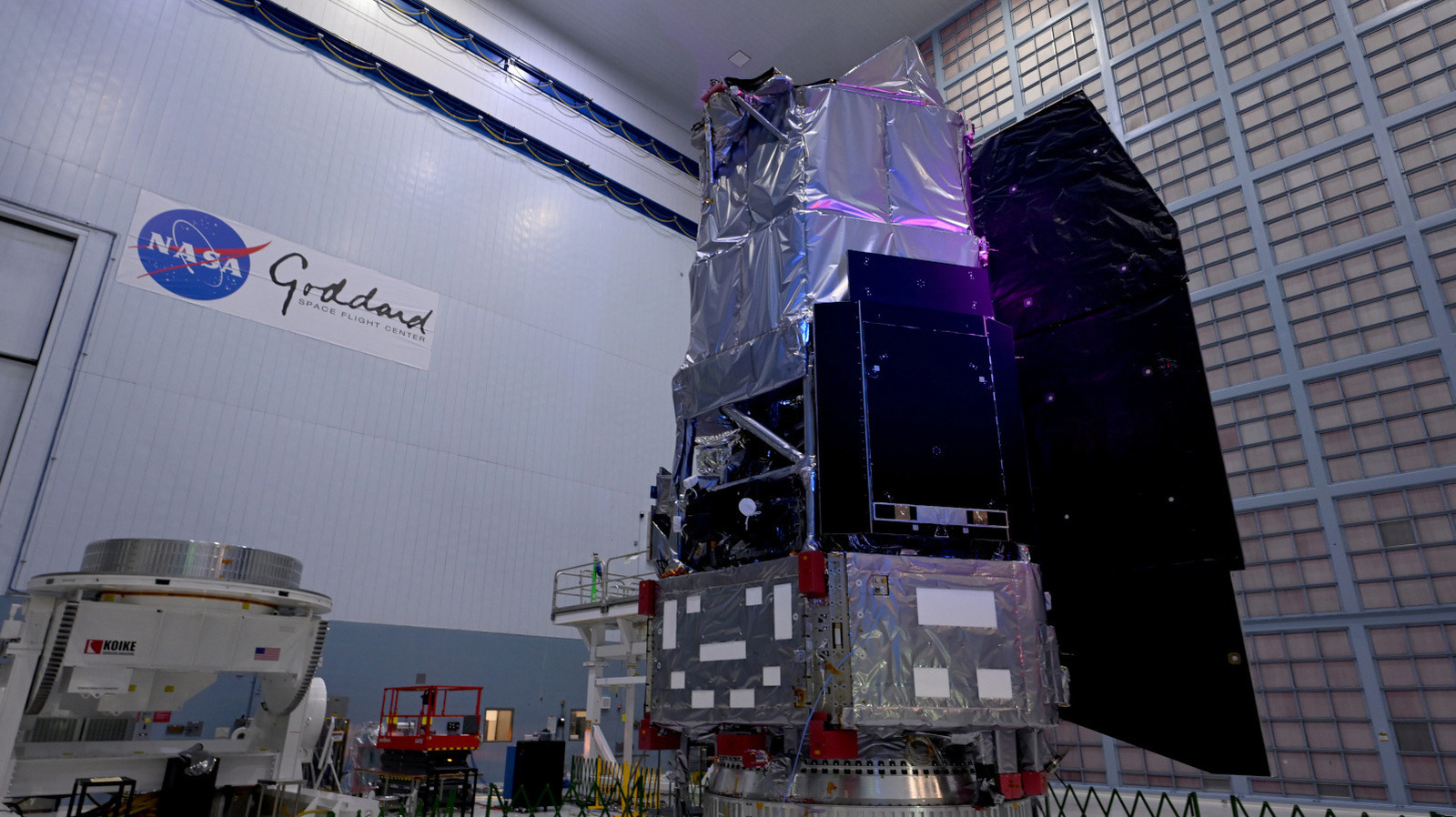
NASA is targeting an August 30, 2026 launch date for the Nancy Grace Roman Space Telescope, eight months earlier than originally planned and sooner than the September schedule it announced earlier this year. In late May, NASA Goddard engineers completed their final inspection of the infrared telescope's primary mirror, ensuring that no specks fell onto it during testing and making sure it remains in proper alignment after a "shake test." The 7.9-foot mirror will collect and focus light from cosmic objects, as the telescope observes the universe to look for answers about dark energy and to determine how common solar systems like ours are.
The agency's engineers are now packing up the telescope so it can be shipped from the Goddard Space Flight Center in Greenbelt, Maryland to the Kennedy Space Center in Florida later this month. When it arrives at Kennedy, Roman will go through a thorough inspection to verify that nothing broke during its transportation. In the weeks leading to its target launch, it will undergo a series of tests rehearsals. It will of course be loaded with fuel and then encapsulated into a protective fairing before being installed on top of a SpaceX Falcon Heavy rocket for launch.
The space telescope, which was named after NASA's first chief astronomer, has a field of view 100 times larger Hubble. That will enable Roman to capture more of the sky in less time once it arrives at its destination, where it will join the James Webb Space Telescope at the Sun-Earth L2 Lagrange point that's located behind our planet.
"All this work will culminate in Roman delivering never-before seen views of the universe," NASA said in its announcement. Further, while Roman has its own objectives, it will provide observational capabilities to astronomers with other goals and give them access to data that could answer more questions about the universe.