NASA’s New Horizons Spacecraft Wakes from Hibernation in Good Health
Following its longest hibernation period ever of nearly a year, NASA’s New Horizons spacecraft has emerged in good health and is ready to begin transmitting science data gathered in the distant Kuiper
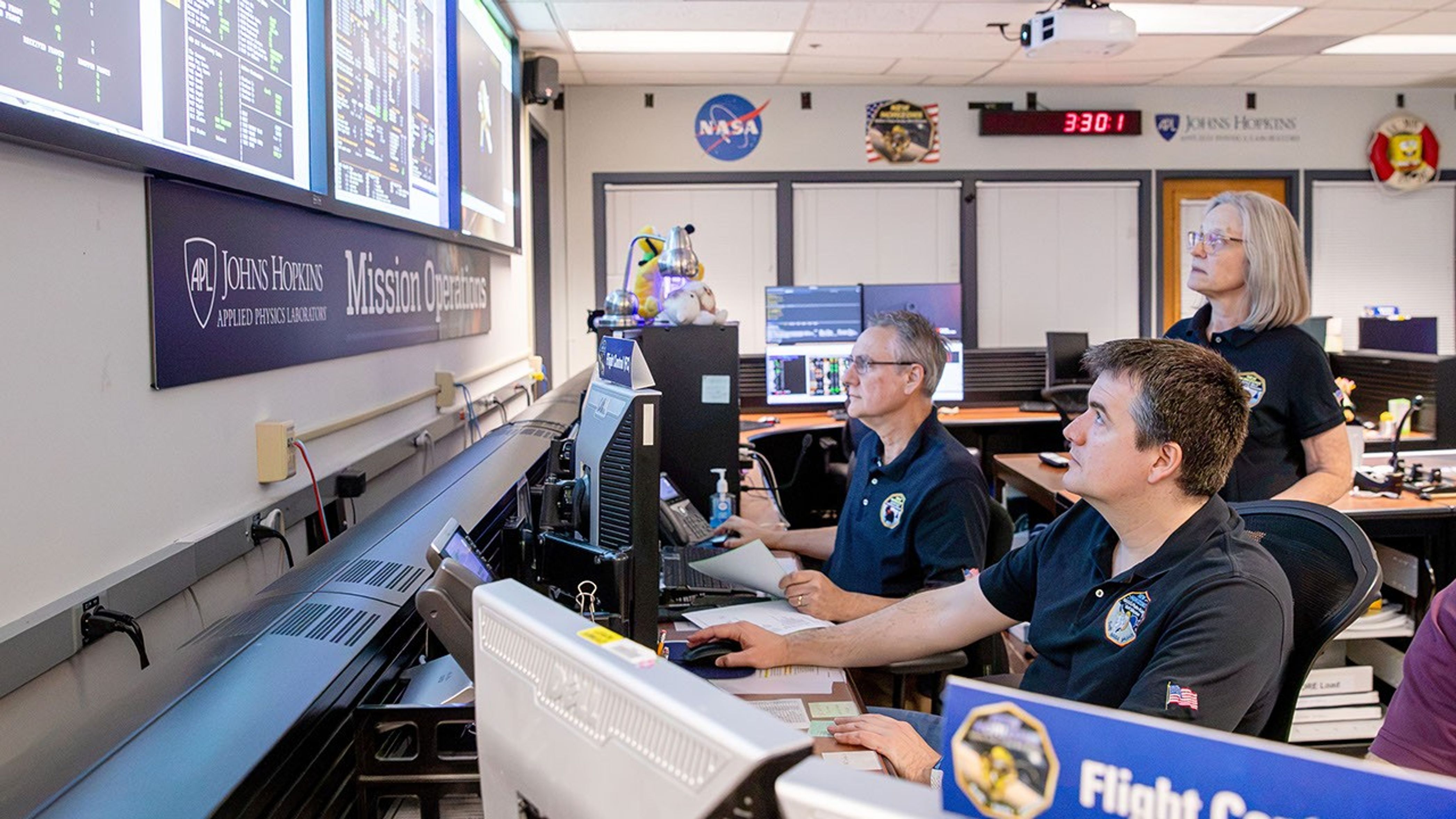
Following its longest hibernation period ever of nearly a year, NASA’s New Horizons spacecraft has emerged in good health and is ready to begin transm
Read Full Story at NASA →Why This Matters
The revival of New Horizons marks a critical milestone in deep-space exploration, proving that even after years of silent coasting through the void, humanity’s farthest-flung emissaries can still power on and deliver unprecedented data. This milestone reaffirms the viability of long-duration missions, a necessity for ventures aiming to reach interstellar space or probe the outer solar system where direct human oversight is impossible.
Background Context
Launched in 2006, New Horizons was the first mission to explore Pluto up close in 2015, forever altering our understanding of the dwarf planet and its moons. Since then, it has ventured deeper into the Kuiper Belt, a region teeming with icy remnants from the solar system’s formation, and has operated under increasingly austere power and communication constraints to extend its lifespan.
What Happens Next
Now primed for new observations, New Horizons will begin downlinking its stored data, including high-resolution measurements of Kuiper Belt Objects that could reveal clues about primordial solar system conditions. Mission planners will also evaluate the spacecraft’s remaining fuel and instrument health to determine whether an extended mission—potentially targeting another distant object—is feasible.
Bigger Picture
New Horizons’ continued functionality underscores the growing maturity of long-term robotic exploration, a trend mirrored by missions like Voyager and OSIRIS-REx. As NASA and international partners eye missions to the ice giants or even interstellar space, the spacecraft’s resilience offers a blueprint for designing probes that can survive decades of autonomous operation in humanity’s quest to unravel the solar system’s deepest mysteries.