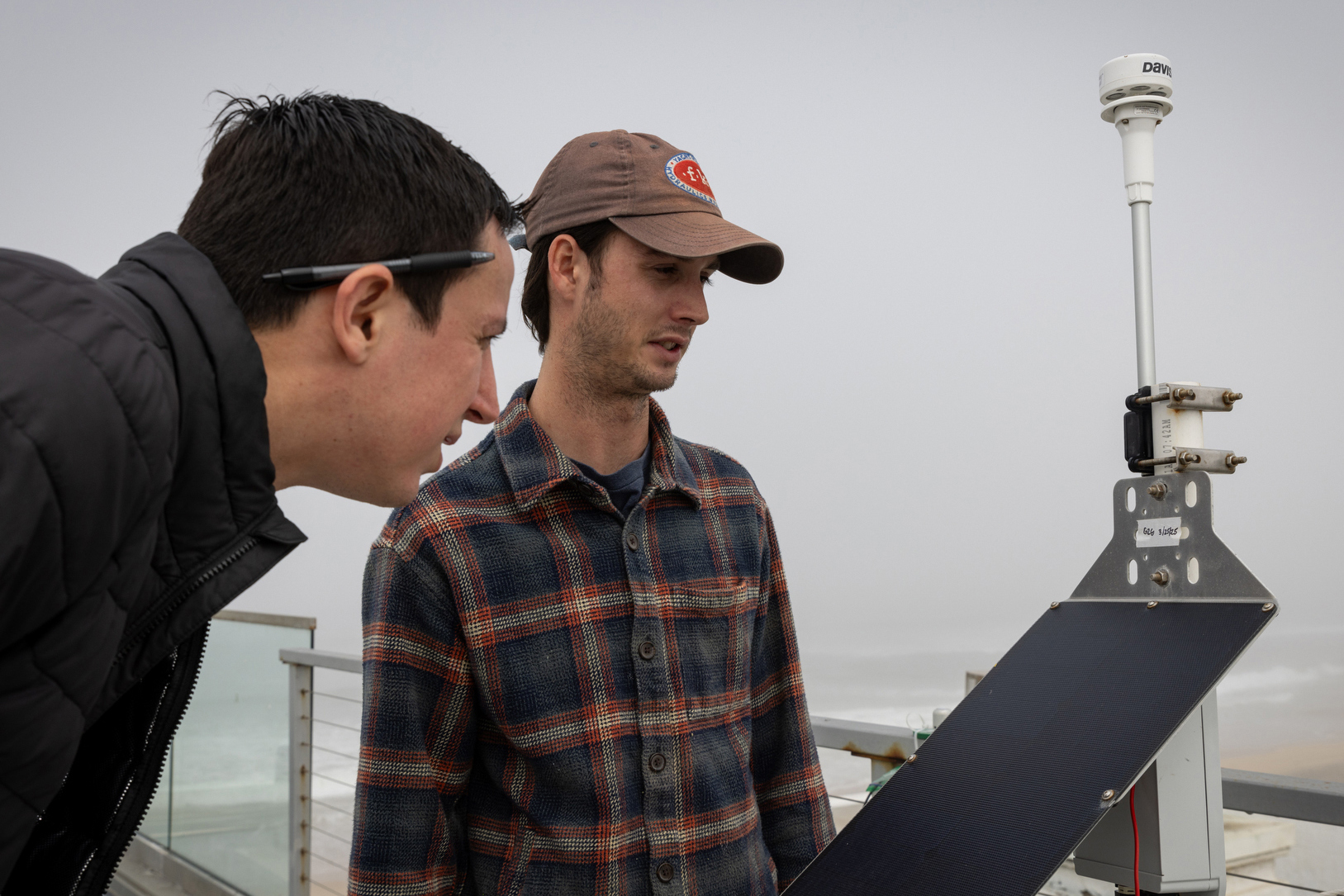
NASA's PACE mission tracks wildfire smoke and risks
NASA’s PACE satellite tracks wildfire smoke and vegetation patterns to predict fire risks and smoke spread, helping firefighters and policymakers with early warnings. Its real-time data improves air q
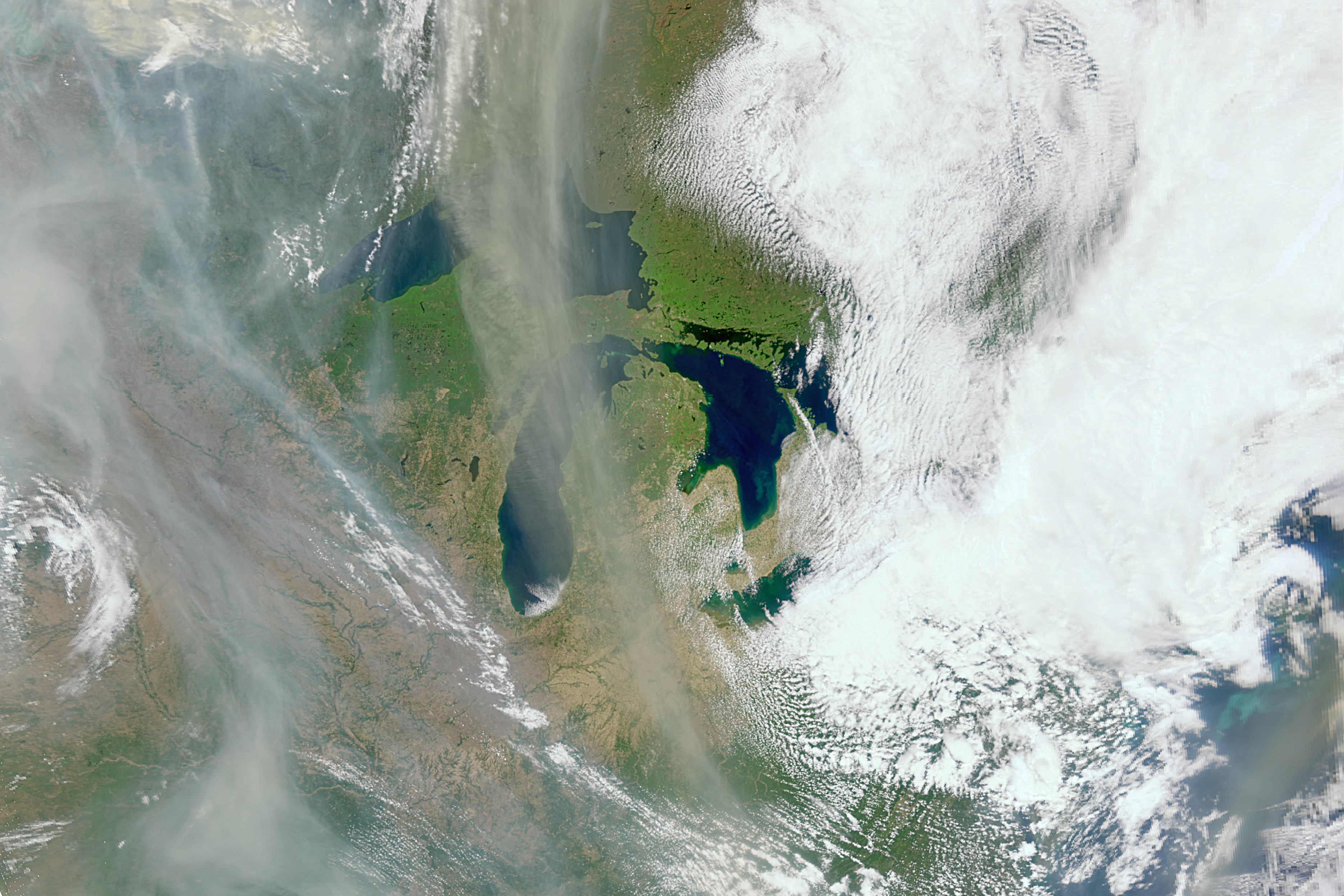
NASA’s PACE satellite has started tracking wildfire smoke and vegetation patterns across North America as fire season intensifies. Using three advance
Read Full Story at NASA →Why This Matters
The PACE mission represents a critical evolution in how humanity monitors and responds to wildfire crises, shifting from reactive damage control to proactive risk mitigation. By integrating smoke tracking with vegetation health data, it bridges the gap between environmental science and disaster management, offering a model for how space-based tools can safeguard communities before fires even ignite.
Background Context
Wildfire management has historically relied on ground-based sensors and aerial patrols, which provide limited scope and delayed warnings. The 2018 Camp Fire in California, which killed 85 people and destroyed nearly 19,000 structures, exposed the inadequacies of existing tracking systems. NASA’s PACE mission builds on earlier satellite programs like MODIS and VIIRS by delivering higher-resolution, multi-spectral data tailored specifically for fire risk assessment.
What Happens Next
As PACE’s data becomes operational, fire agencies may adopt more dynamic evacuation protocols, while insurers could refine risk models to account for smoke damage beyond traditional burn zones. The mission also sets a precedent for international collaboration, with partners like the European Space Agency’s Sentinel missions likely to integrate similar capabilities, potentially creating a global wildfire early warning network.
Bigger Picture
This mission underscores the accelerating fusion of climate science and disaster response, reflecting a broader trend where space agencies pivot from exploration to resilience-building. As climate change intensifies fire seasons, tools like PACE highlight the urgent need for data-driven policies that prioritize prevention over containment—a shift already underway in some Western states but still lacking at federal and global levels.