NASA's Roman Space Telescope improves performance by 30% ahead of launch
NASA’s Roman Space Telescope has exceeded its performance targets by nearly 30% after precise optical adjustments, enhancing image quality significantly. This improvement will lead to more reliable d…
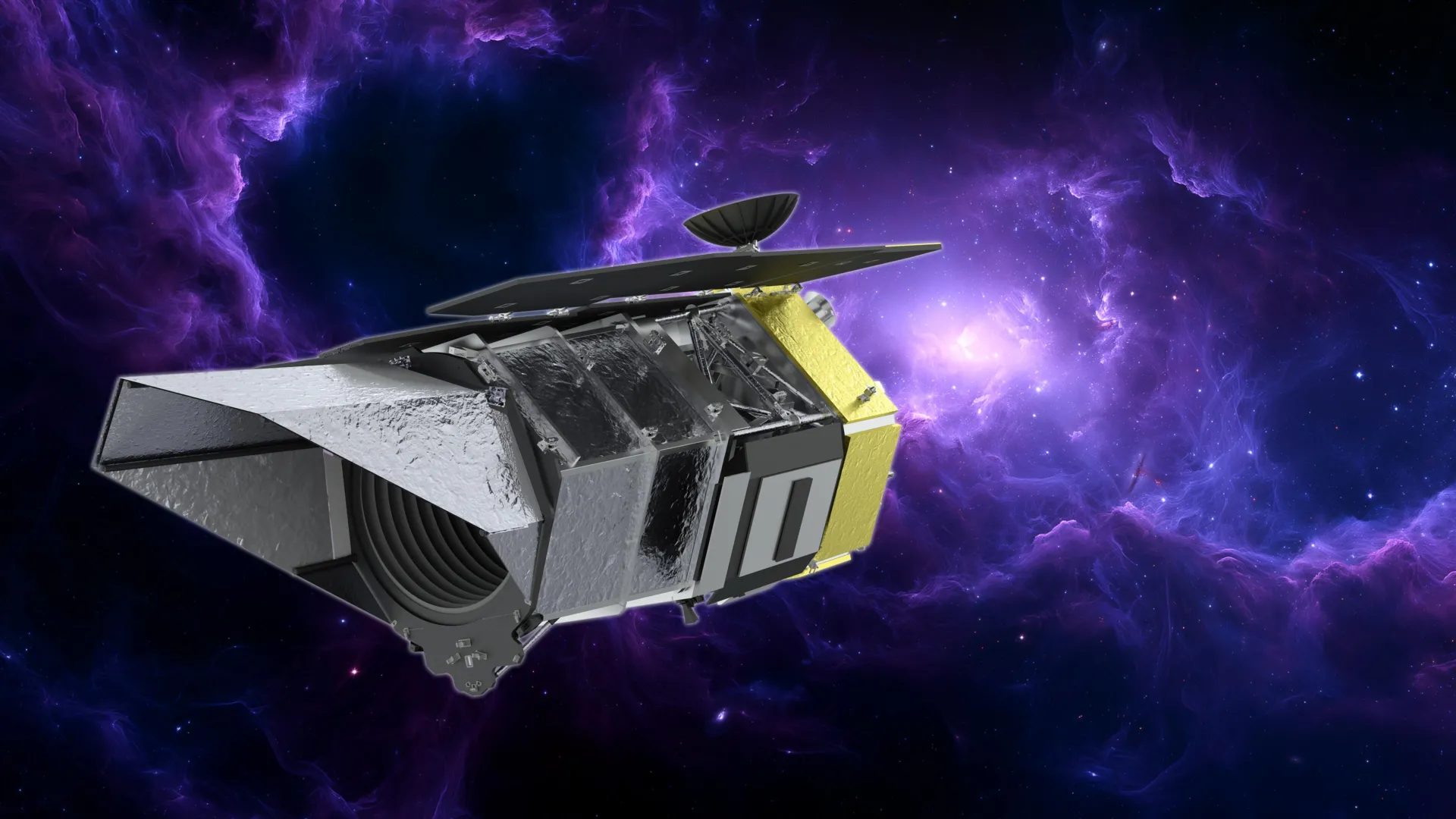
NASA’s Nancy Grace Roman Space Telescope has surpassed its performance targets after engineers performed minute adjustments to its optics. By moving a mirror a distance equal to one‑sixteenth the width of a human hair, the team fine‑tuned the alignment of the telescope’s Wide Field Instrument, boosting image quality almost 30 % beyond predictions.
The tweak comes as the Roman mission enters a critical phase of commissioning. The telescope, set to launch in 2026, carries a suite of instruments designed to map the universe with unprecedented detail. Precise alignment of its mirrors is essential for the instruments to resolve distant galaxies and dark‑energy signatures. Engineers used a laser‑guided system to measure the mirror’s position and then applied a micro‑adjustment, a process that required both patience and extreme precision.
The result is a sharper view of the cosmos. The Wide Field Instrument now delivers images that are clearer and more accurate, allowing astronomers to detect fainter objects and measure their shapes with higher precision. This improvement means that Roman’s surveys of dark energy, exoplanets, and the large‑scale structure of the universe will yield more reliable data. Early tests show that the telescope can resolve fine details in galaxy clusters that were previously blurred, opening new avenues for research into the distribution of matter and the behavior of gravity on cosmic scales.
With the optics now fine‑tuned, the next step is to begin the telescope’s science operations. Roman will start mapping the sky in its first observing cycle, gathering data that will be shared with the global astronomy community. The enhanced image quality also bodes well for future missions that will rely on Roman’s findings, such as the James Webb Space Telescope and ground‑based surveys. As the telescope moves closer to launch, the success of this tiny adjustment underscores the importance of meticulous engineering in space exploration and promises a wealth of new discoveries about the universe.
Read Full Story at ScienceDaily →