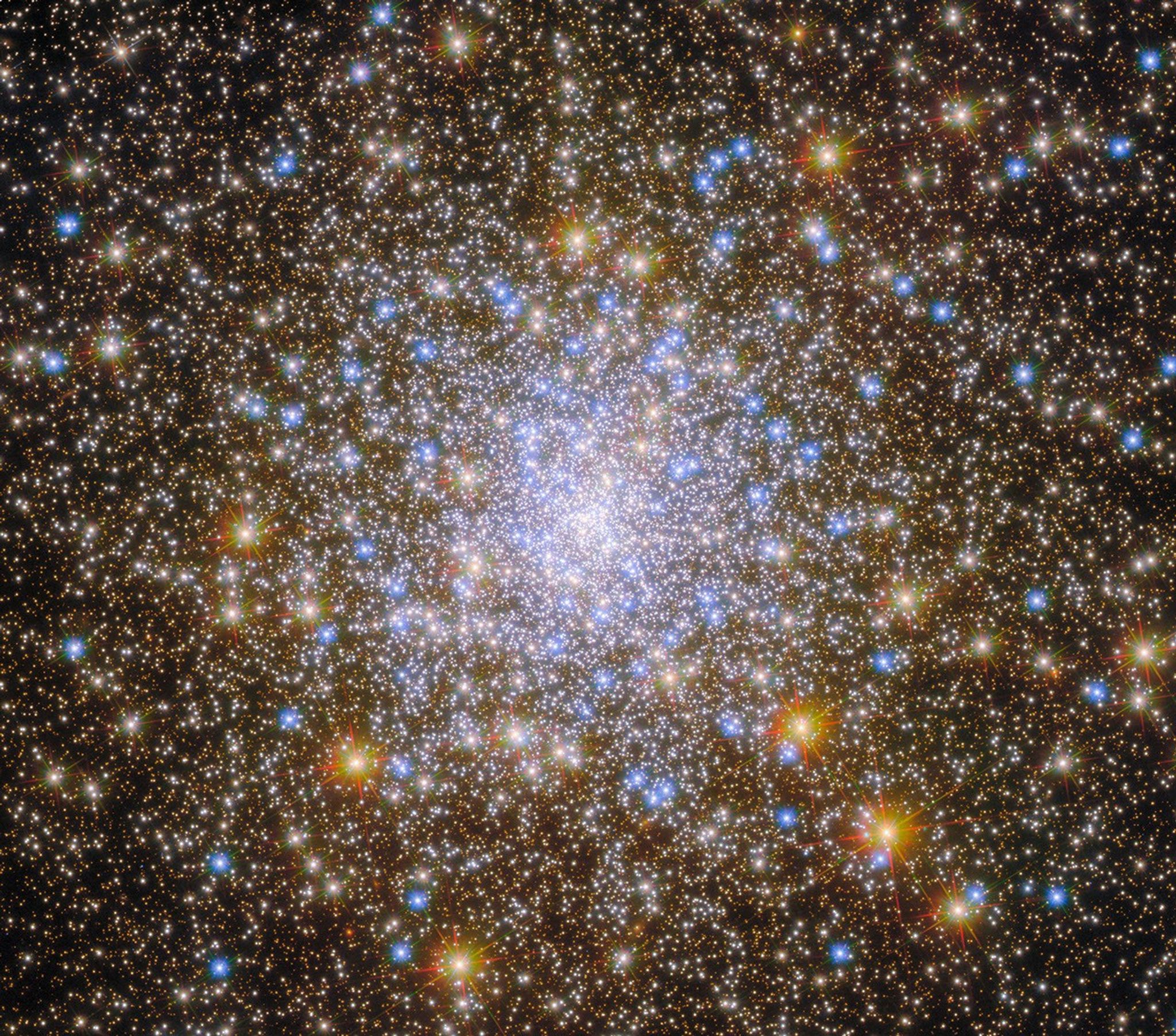
NASA's Voyager 1 approaches record distance of one light-day from Earth
NASA's Voyager 1 is nearing a record distance of one light-day from Earth, currently over 14.6 billion miles away in interstellar space. This milestone highlights its unprecedented journey and the va…

NASA's Voyager 1 is on the verge of making history as it approaches a distance of one light-day from Earth. This milestone comes as the spacecraft continues its journey into interstellar space, currently positioned more than 14.6 billion miles away. Voyager 1 launched in 1977 and has been traveling for over 46 years, sending back invaluable data about our solar system and beyond.
This development is significant because it marks a new frontier in human exploration. Voyager 1 was originally designed for a mission to study the outer planets, but its trajectory has taken it far beyond, into a region of space that no other human-made object has reached. As it travels further into the cosmos, Voyager 1 provides scientists with insights into the heliosphere—the bubble of solar wind and magnetic fields that surrounds our solar system—and the conditions of interstellar space, which can improve our understanding of cosmic phenomena.
The spacecraft operates on limited power from its radioisotope thermoelectric generators, which are gradually losing their ability to produce energy. However, engineers at NASA have been able to extend its mission by carefully managing its power usage. As it approaches this new distance record, the scientific community is eagerly awaiting the data that Voyager 1 will continue to send back, which could reveal more about the composition and behavior of interstellar particles.
Looking ahead, Voyager 1 is expected to continue its journey for several more years, but its power supply will ultimately limit its operational life. This record-setting distance underscores the achievements of human engineering and exploration. It also raises questions about the future of space exploration. As we push the boundaries of what is possible, Voyager 1 serves as a reminder of our quest to understand the universe, laying the groundwork for future missions that may one day venture even farther into the unknown.
Read Full Story at Phys.org →