NASA’s X-59 plane goes supersonic for the first time
NASA’s X-59 plane goes supersonic for the first time This experimental plane, which reached supersonic speeds yesterday, is designed to travel faster than the speed of sound without creating bothersome sonic booms By Meghan Bartels edited by Sarah Lewin Frasier NASA’s experime
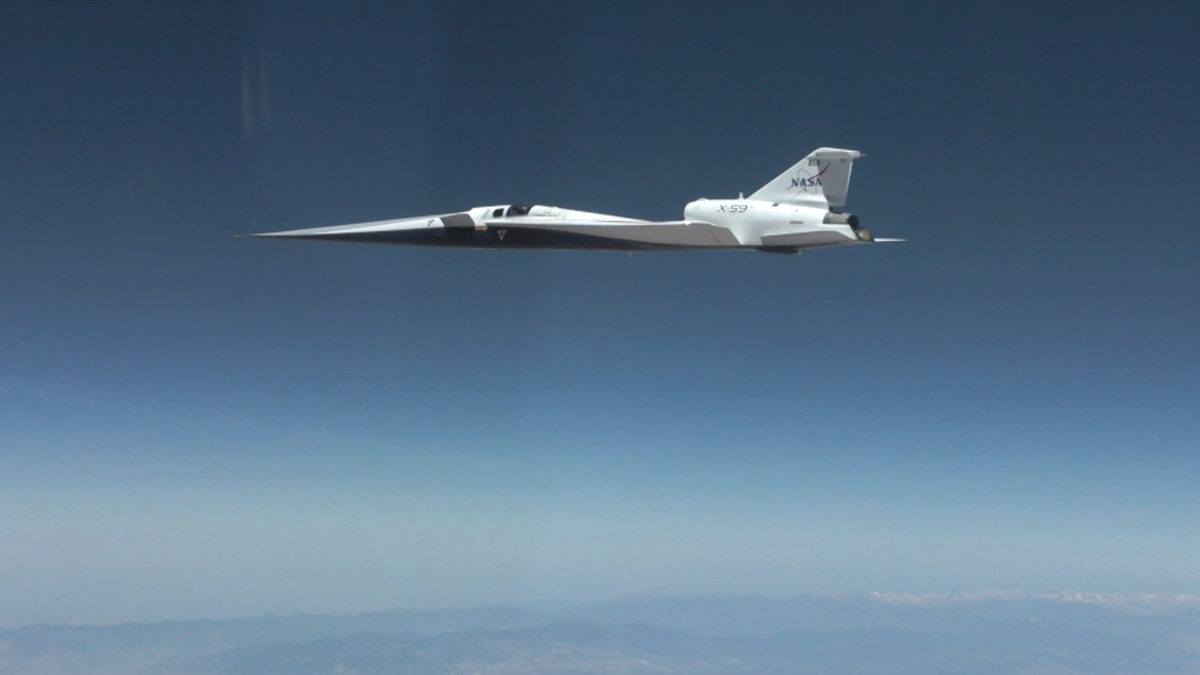
This experimental plane, which reached supersonic speeds yesterday, is designed to travel faster than the speed of sound without creating bothersome sonic booms
NASA’s experimental X-59 plane is one step closer to making faster-than-sound flight quiet after the aircraft flew supersonic for the first time on June 5, reaching a peak speed of 713 miles per hour at an altitude of 43,400 feet—equivalent to Mach 1.1.
“ Flying at supersonic speeds is a major milestone for the X-59 team,” said Cathy Bahm, project manager for the program at NASA, in a statement in late May, before the flight . “Completing the first mission-conditions flight is especially meaningful—it’s the moment where we begin validating the aircraft in the environment it was designed for.”
The flight lasted 81 minutes and was based at Edwards Air Force Base; NASA pilot Jim Less flew the milestone sortie.
If you're enjoying this article, consider supporting our award-winning journalism by subscribing . By purchasing a subscription you are helping to ensure the future of impactful stories about the discoveries and ideas shaping our world today.
“Supersonic” is a slippery term, given that the speed of sound depends on the temperature and pressure of the local atmosphere. Mach 1 represents the local speed of sound, above which movement is considered supersonic; Mach 5 marks the transition to even faster “hypersonic” speeds. When objects travel faster than the speed of sound, the pressure waves they produce are funneled to their rear and produce a cone; if the object is flying low enough for this cone to hit Earth, the result is a loud noise called a sonic boom .
These booms—as well as a massive price tag—prompted the 2003 retirement of the only supersonic passenger plane, the Concorde, which ferried passengers starting in 1976. The plane reached cruise speeds of 1,350 mph and could fly from New York City to London in less than three hours under good conditions.
For nearly a decade, NASA has been working to engineer a plane that can fly faster than the speed of sound without resulting in disruptive sonic booms. The vehicle’s long nose is designed to disperse the shock waves so that flight produces merely a “quiet supersonic thump,” as the agency described it in the late May statement, somewhere between distant thunder and a car door shutting 20 feet away.







