Liberia pilot program aids 1,200 couples with cash and spending plans
A pilot program in Liberia provided cash assistance to 1,200 low-income couples, leading to increased savings and fewer financial disputes for many, while also causing tension for some due to joint s…
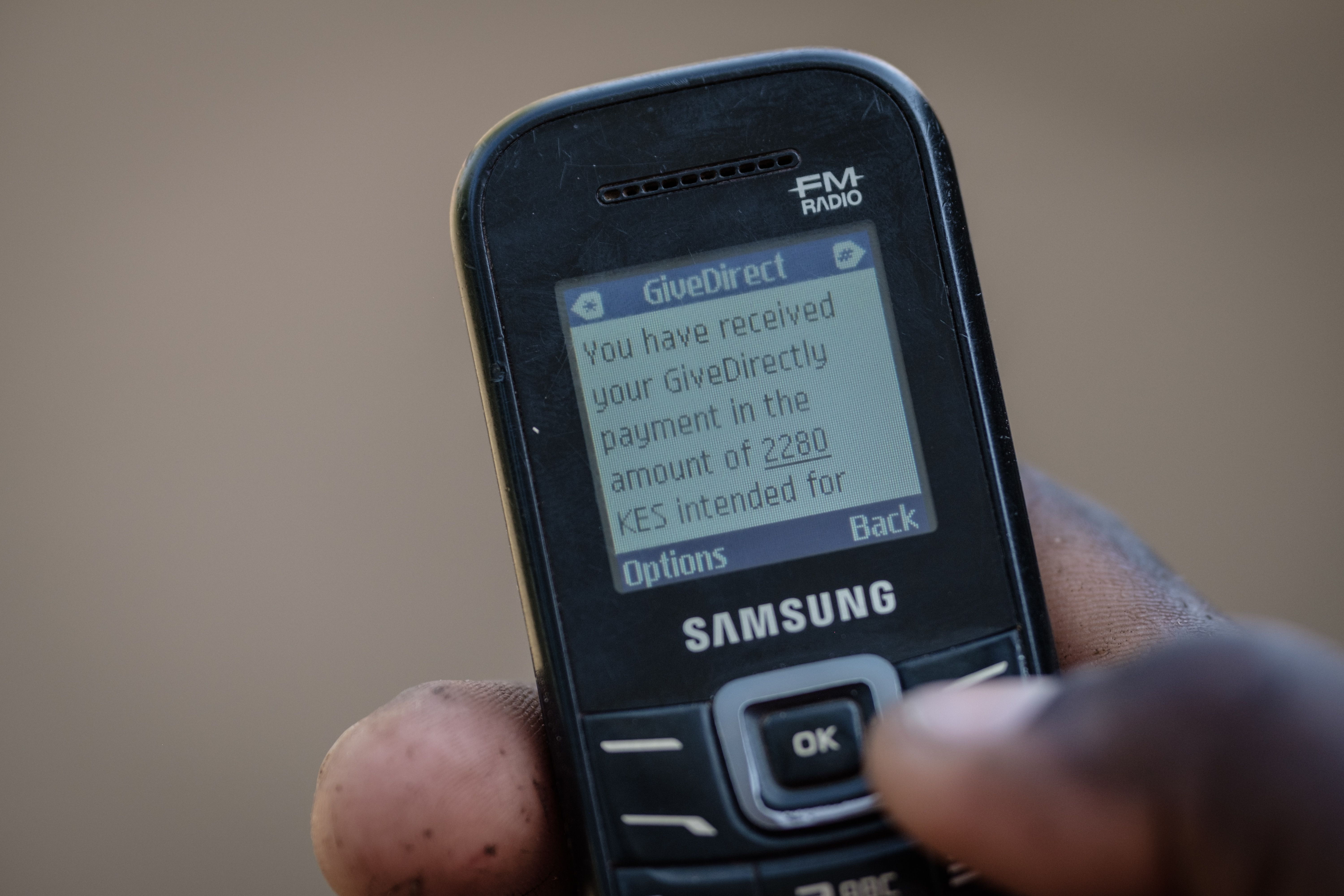
In August 2024, a pilot program in Liberia’s Montserrado County gave cash assistance to 1,200 low‑income couples and required them to create a joint spending plan, a move that lifted some families out of hardship but also sparked unexpected problems for a few households. The aid, delivered by the Ministry of Gender, Children and Social Protection in partnership with a local NGO, amounted to $150 per month for six months, with the planning workshops run by community facilitators.
Cash transfers have become a staple of poverty‑reduction strategies across Africa, but critics say they often fail to change long‑term behavior. Liberia’s government introduced the joint‑planning component to address that gap, hoping that couples would discuss priorities, save together and avoid the “cash‑only” trap that can lead to quick spending on non‑essential items. The pilot was launched as part of a broader effort to meet the United Nations’ Sustainable Development Goal on poverty eradication, and it coincided with a new national budget that allocated $12 million for social safety nets.
The results were mixed. A mid‑term survey found that 71 percent of participating couples increased their household savings, and 58 percent reported fewer arguments about money. Children in these households were more likely to stay in school, and health clinic visits rose by 12 percent. However, 9 percent of couples experienced heightened tension, with some women saying the joint plan made them feel pressured to conform to their partner’s spending choices. A few families misused the cash on short‑term consumption, leading to a modest rise in reported domestic disputes. Officials noted that the program’s success depended heavily on the quality of the facilitation and the existing trust between partners.
The ministry plans to expand the model to two more counties next year, incorporating lessons learned about facilitator training and conflict‑resolution support. Researchers will track long‑term outcomes to see if the savings gains persist and whether the unintended tensions can be mitigated. If the approach proves scalable, it could reshape how cash aid is delivered in Liberia and other nations that rely on similar assistance programs.
Read Full Story at NPR News →