Netflix tests 24/7 live TV channels
Netflix is testing 24/7 live TV-style channels to counter slowing growth, copying rivals like Peacock. This risks alienating younger audiences used to on-demand, but could boost engagement and ad reve
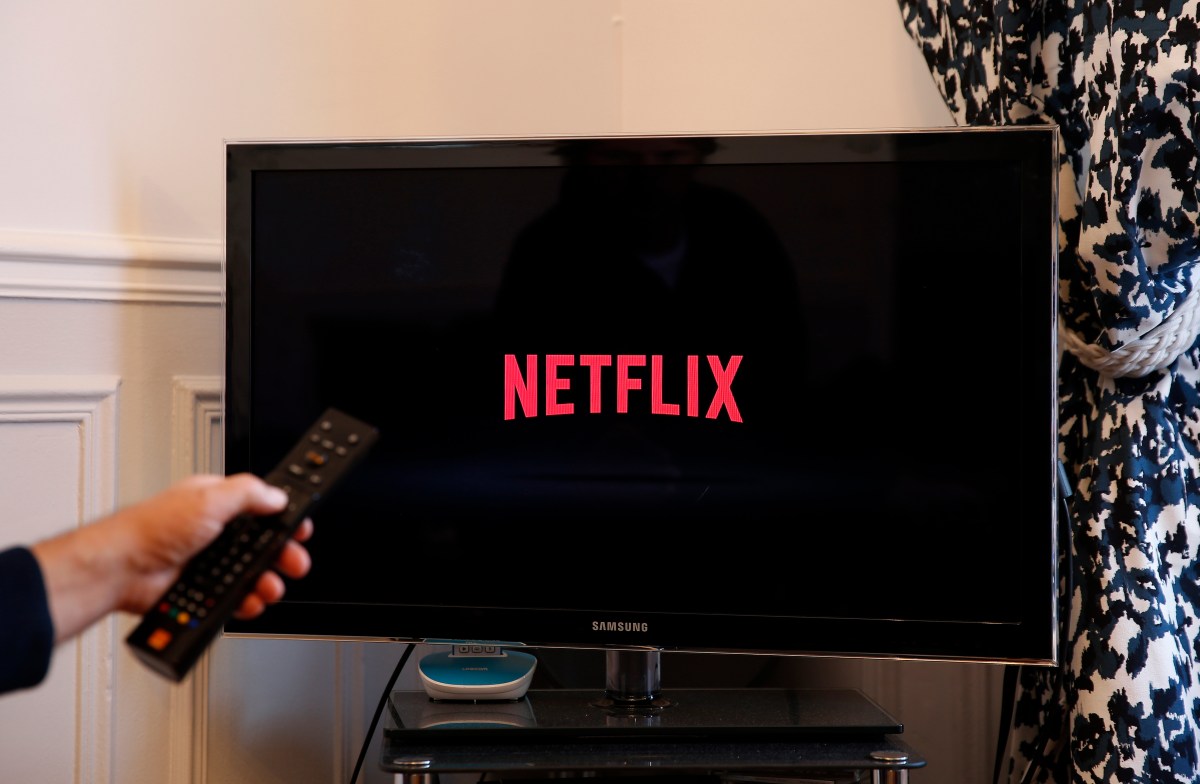
Netflix is reportedly exploring “always-on” live TV-style channels as it looks for new ways to keep viewers hooked. According to TechCrunch, internal
Read Full Story at TechCrunch →Why This Matters
Netflix’s pivot toward 24/7 live TV channels signals a radical departure from its core subscription model, testing whether its global audience can tolerate linear programming in an era dominated by algorithmic curation. This move isn’t just about competing with traditional broadcasters—it’s a defensive play to reclaim lost ground against ad-supported platforms that now define engagement metrics. For an industry built on personalization, the experiment could redefine how streaming services balance retention with revenue.
Background Context
Netflix once dismissed linear programming as a relic of the cable era, but the erosion of its subscriber growth—from 22% annual gains in 2020 to single-digit growth in 2023—has forced a reconsideration. Competitors like Peacock and Max have already embraced the format, leveraging live events to drive peak viewership and ad sales, while Netflix’s late entry into advertising suggests it’s willing to sacrifice some of its premium reputation to tap into the $200 billion global TV ad market.
What Happens Next
The success of these channels will hinge on whether Netflix can convince users to abandon their on-demand habits without alienating the core audience that made it a household name. Watch for clues in the engagement data—will these channels become destination viewing, or will they feel like a forced imitation of cable? The ad-supported tier’s performance will also reveal whether viewers tolerate interruptions in exchange for lower costs, a trade-off Netflix has historically resisted.
Bigger Picture
This shift reflects a broader convergence between streaming and traditional media, where the lines between on-demand and live programming are blurring. As platforms chase ad revenue and live-event exclusivity, the risk is a homogenization of content where every major player ends up offering the same mix of curated feeds and premium originals—diluting the very differentiation that made streaming appealing in the first place.






