New Concerns Over Oil Prices After Houthis Attack Saudi Tankers
There are new concerns about the future of oil and gas prices after Yemen-based Houthi rebels, backed by Iran, attacked two Saudi Arabian oil tankers in the Red Sea. NBC’s Richard Engel reports on the
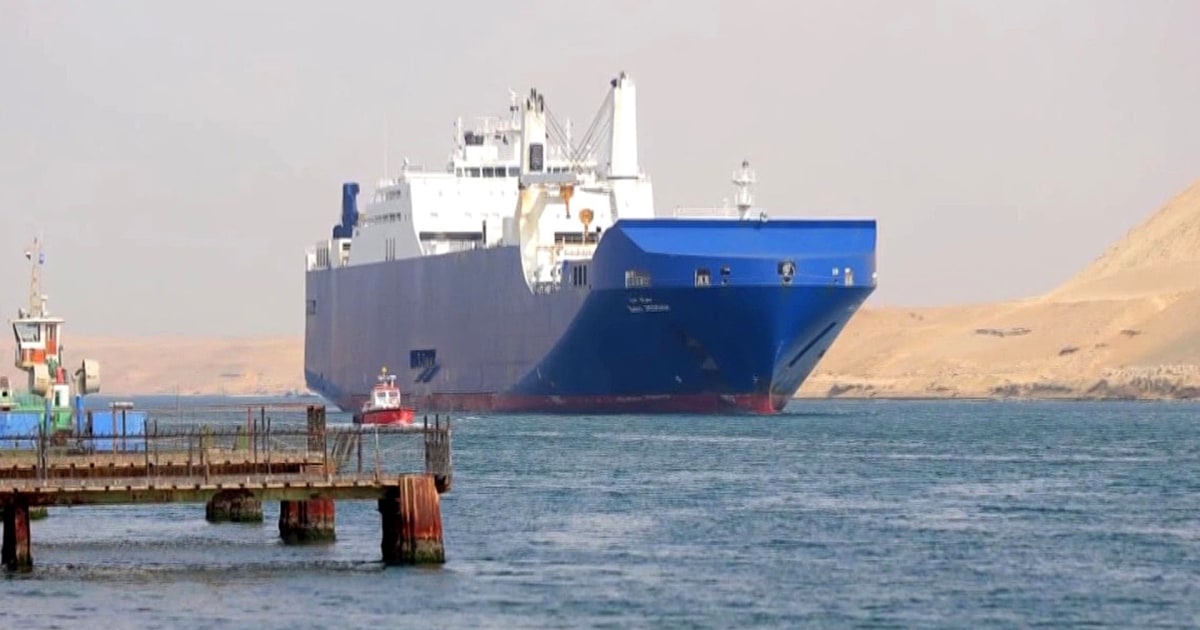
There are new concerns about the future of oil and gas prices after Yemen-based Houthi rebels, backed by Iran, attacked two Saudi Arabian oil tankers
Read Full Story at NBC News →Why This Matters
The recent attacks on Saudi oil tankers by Houthi rebels highlight the fragility of global oil markets, particularly in a region already fraught with geopolitical tensions. As these incidents can trigger immediate spikes in oil prices, they pose a risk not only to the affected nations but also to economies around the world that are sensitive to fluctuations in energy costs.
Background Context
The Houthis, a militant group in Yemen, have been engaged in a protracted conflict that is part of a larger regional struggle involving Iran and Saudi Arabia. Saudi Arabia's position as a leading oil exporter makes it a critical player in global energy markets, and any disruption to its oil supply can have widespread repercussions for international energy stability.
What Happens Next
In the immediate aftermath of these attacks, markets may react with caution, potentially leading to higher oil prices as traders factor in the increased risk of further disruptions. Observers will be closely monitoring Saudi Arabia's military response and any potential escalations that could further destabilize the region and amplify market volatility.
Bigger Picture
This incident underscores a broader trend of increasing volatility in oil markets, driven by geopolitical conflicts and climate-related policies pushing for energy transitions. As nations grapple with balancing energy security and transitioning to renewable sources, the stability of oil prices remains a critical concern for global economic health.