New Jersey petitions Supreme Court over Kalshi sports betting
New Jersey asked the Supreme Court to decide if states or the CFTC regulate sports betting on Kalshi, with a ruling potentially impacting the $1B+ prediction-markets industry. The case could clarify …
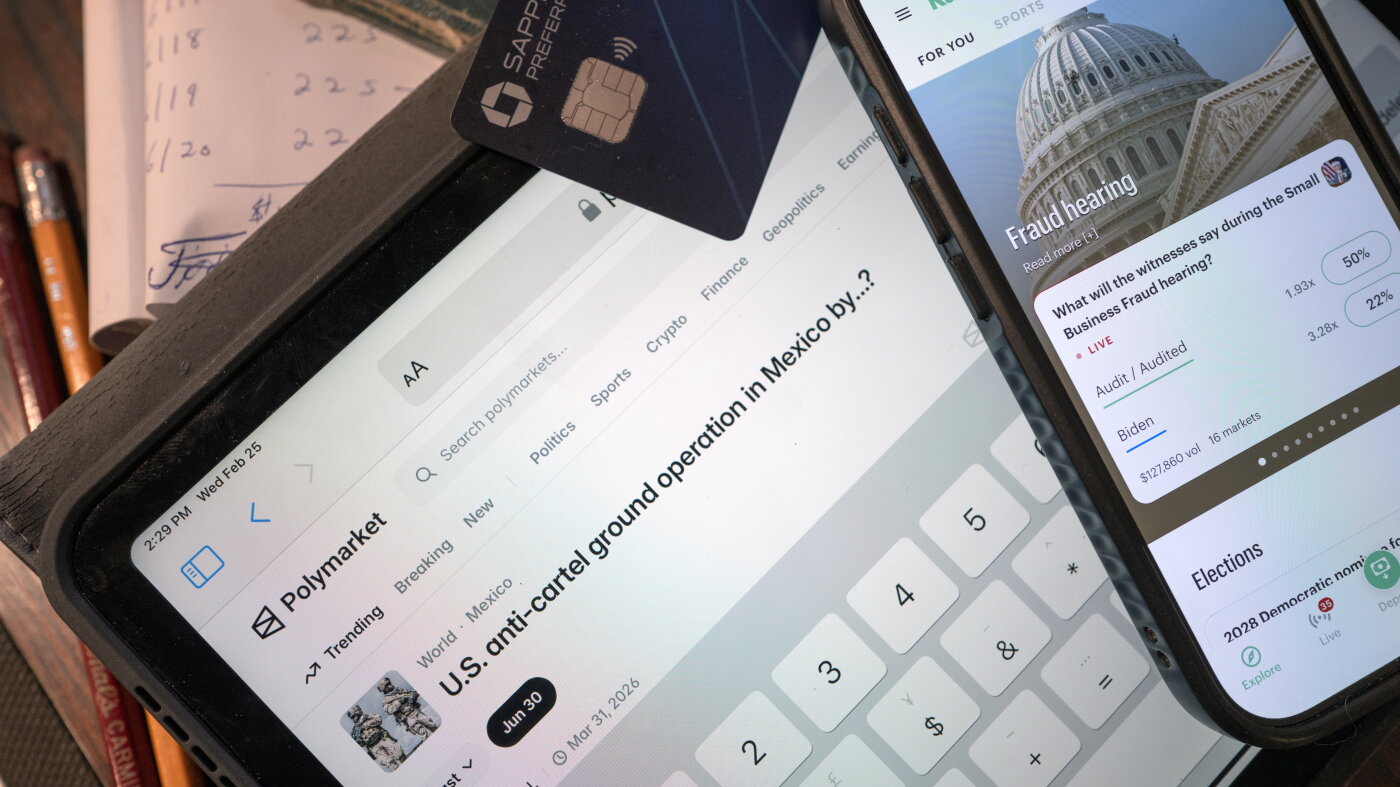
New Jersey’s Attorney General filed a petition with the U.S. Supreme Court on Wednesday, asking the high court to decide whether the state or the federal Commodity Futures Trading Commission (CFTC) has the authority to regulate sports betting on the prediction‑market platform Kal shi. The case could set a nationwide precedent for the rapidly growing prediction‑markets industry, which currently channels billions of dollars into bets on everything from corporate earnings calls to election outcomes.
The request comes after two federal appeals courts issued conflicting rulings. In April, the Third Circuit ruled that the CFTC has exclusive jurisdiction over Kal shi, while last week the Ninth Circuit reversed that decision in a Nevada case, holding that states—not the federal government—should oversee the industry. New Jersey’s lawyers argue that the Commodity Exchange Act does not allow companies to sidestep state law and that states retain primary police powers over gambling. They contend that the CFTC’s authority does not extend to making sports betting a “get‑out‑of‑50‑state‑laws‑free‑pass.”
Kal shi maintains that it is a nationwide financial exchange governed by federal securities rules and that state regulations cannot override federal oversight. “Kal shi is an open, nationwide financial exchange. It cannot be regulated by 50 different regulators,” spokeswoman Dani Lever said. The company is confident in the lower courts’ rulings and says the new filing does not change its position. State‑regulated sports‑betting operators such as FanDuel and DraftKings, which pay billions in state taxes, see Kal shi and similar platforms as rivals that cut corners by avoiding state oversight.
If the Supreme Court accepts the petition, oral arguments could take place this fall, with a decision expected by next summer. The outcome will determine whether the prediction‑markets sector can continue to expand under a single federal regulator or whether each state will impose its own rules. The ruling could reshape the betting landscape, affecting how consumers, operators, and regulators interact across the country.
Read Full Story at NPR News →