New tech connects smartphones to license plates, raising privacy concerns
New surveillance technology can link smartphones to vehicle license plates, using Bluetooth signals to track individuals as they pass roadside cameras. This raises significant privacy concerns, as it…
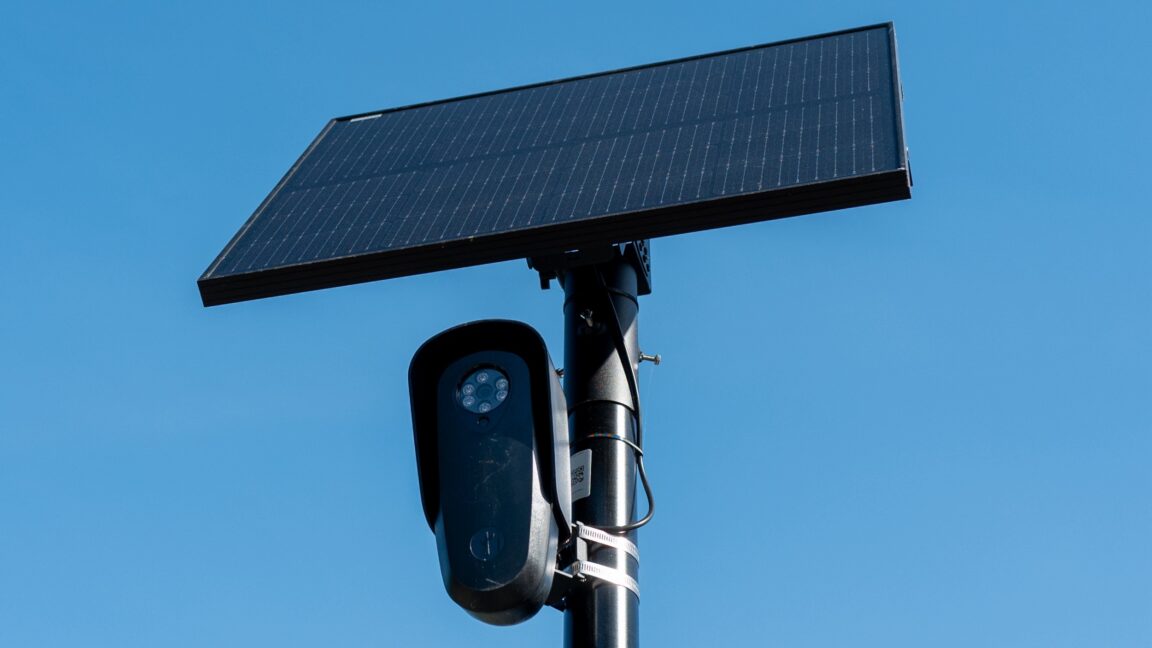
New surveillance technology is emerging that can link a person’s smartphone to their vehicle’s license plate, potentially transforming roadside cameras into powerful tracking tools. This system uses Bluetooth signals emitted by mobile devices to identify individuals as they pass by, raising privacy concerns.
This development comes amid increasing scrutiny over surveillance practices and data privacy. As cities and states expand their use of automated license plate readers (ALPRs) for law enforcement purposes, the integration of smartphone tracking could provide authorities with a more comprehensive view of individual movements. The technology is being explored as a way to enhance public safety and assist in criminal investigations, but it also highlights the growing intersection between personal devices and public surveillance.
Experts warn that the implications of this technology could be profound. By combining data from ALPRs with smartphone signals, authorities could create detailed profiles of individuals, tracking their whereabouts over time. This could extend to monitoring routine activities, such as commuting or shopping, without the consent of the individuals being tracked. Privacy advocates argue that this level of surveillance could lead to a chilling effect on personal freedoms and civil liberties.
Looking ahead, the adoption of this technology will likely prompt calls for clearer regulations surrounding surveillance and data privacy. As communities grapple with the balance between security and individual rights, discussions will need to address not only how such technology is used but also how data is stored, shared, and protected. The outcome of these debates will shape the future of public surveillance and individual privacy rights in an increasingly digital world.
Read Full Story at Ars Technica →