New ways to remove CO2 from atmosphere must grow much faster, report says
Novel forms of CO 2 removal must expand at ‘highly ambitious rates’ if world is to limit global heating to 1.5C, says study Humanity must suck carbon out of the atmosphere with new technologies even faster than the breakneck speed with which it has deployed solar panels if it is
Novel forms of CO 2 removal must expand at ‘highly ambitious rates’ if world is to limit global heating to 1.5C, says study
Humanity must suck carbon out of the atmosphere with new technologies even faster than the breakneck speed with which it has deployed solar panels if it is to limit global heating to 1.5C, a report has found.
Novel forms of carbon dioxide removal (CDR) must grow at “highly ambitious rates” to bridge the gap between what governments have pledged to clean up and what is needed to comply with the Paris climate agreement , according to researchers. They said the next five years were critical to establishing the technologies’ role in limiting climate damages.
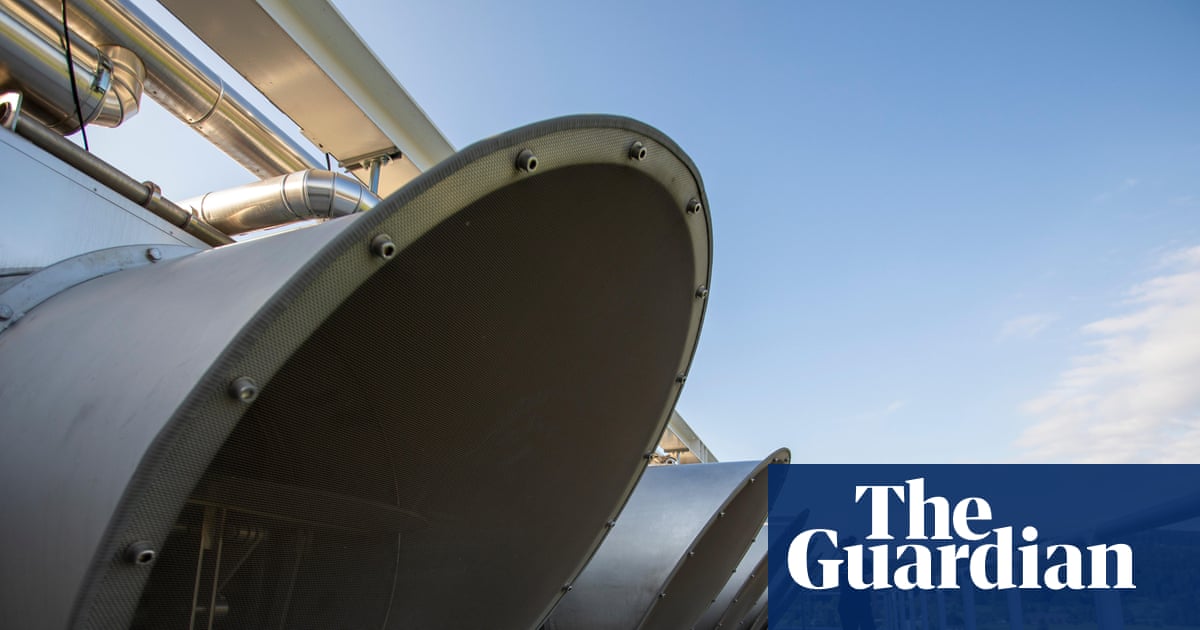
Machines that suck carbon straight from the air and chemical techniques such as the production of biochar make up just 0.1% of the 2.2bn tonnes of CO 2 that are removed globally each year, according to the report published on Tuesday. The rest comes from land-based actions such as planting trees, which are limited by space.
The report found novel forms of CDR have grown at a rate of 40% a year but start from such a small base that they would need to reach growth rates between that of solar panels and electric vehicles, which have grown faster than any other climate technologies. It found only one-fifth of the planned capacity in recent years has been delivered.
“Countries have pledged around 2.7bn tonnes of carbon removal by 2035 and about 3.6bn by 2050, but climate pathways require much more, especially in the long term,” said William Lamb, a scientist at the Potsdam Institute for Climate Impact Research and co-author of the report. “This leaves a gap that grows significantly over time.”
CDR is a small but key component of roadmaps to stop the planet heating. It can offset the warming from hard-to-avoid emissions and bring temperatures back down to 1.5C after an “overshoot” period that scientists see as inevitable.
Scientists have compared carbon removal to cleaning up a rubbish-strewn beach: the cheapest solution is to not throw things away and to put any waste in bins, but litter-pickers can clean up pollution that washes up on the shore and remediate the damage done by decades of denial.