Scientists discover new blind cavefish at Fort Benning
Scientists discovered a new blind, pink cavefish species, *Lucifuga huntsmani*, at Fort Benning, Alabama, after it evaded detection for nearly 40 years due to its remote cave habitat. The find highli…
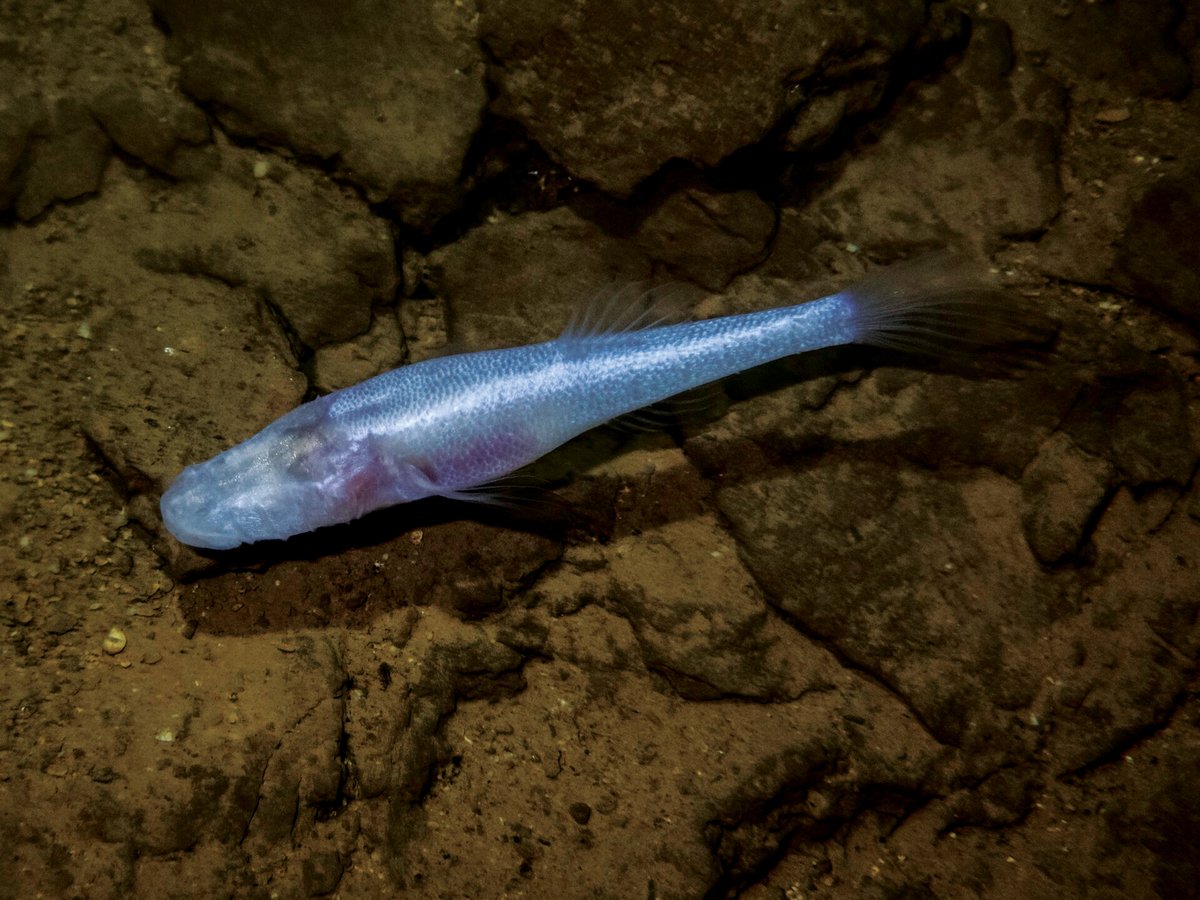
Scientists have discovered a new species of blind, pink cavefish in Alabama that had been hiding in plain sight for decades. The fish, named *Lucifuga huntsmani* or the "demon cave fish," was found at Fort Benning, a U.S. Army installation near the Georgia border. Researchers say the species may have evaded detection for nearly 40 years because of its remote habitat—deep within underground caves.
The discovery highlights how much remains unknown about North America’s subterranean ecosystems. Caves act as isolated time capsules, home to species that evolve in complete darkness, losing their eyes and skin pigment over generations. The fish was only spotted after Army biologists conducting a routine survey noticed unusual fish in a cave stream. Genetic testing confirmed it was a species new to science, closely related to cavefish in Cuba and the Bahamas.
Blind cavefish are rare in the U.S., with only a handful of species documented. What makes this find unusual is the fish’s bright pink color, a trait usually associated with tropical cavefish, not North American ones. Scientists named it after the Demogorgon from *Stranger Things*—a nod to its eerie, otherworldly appearance. The fish likely survives by feeding on bacteria and tiny crustaceans in the nutrient-poor cave environment.
Now that the species has been identified, conservationists are concerned about its survival. Fort Benning is an active military base, and cave ecosystems are fragile. The Army has agreed to protect the cave where the fish lives, but scientists say more surveys are needed to see if other populations exist nearby. This discovery shows how military lands—often off-limits to the public—can serve as unexpected refuges for rare wildlife, preserving secrets of the deep.
Read Full Story at Scientific American →