Sprint/Qual
Ferrari’s long wait for a Grand Prix pole position continued in the United States on Saturday, as Charles Leclerc and Lewis Hamilton failed to convert their expected pace into a top-three starting gr…
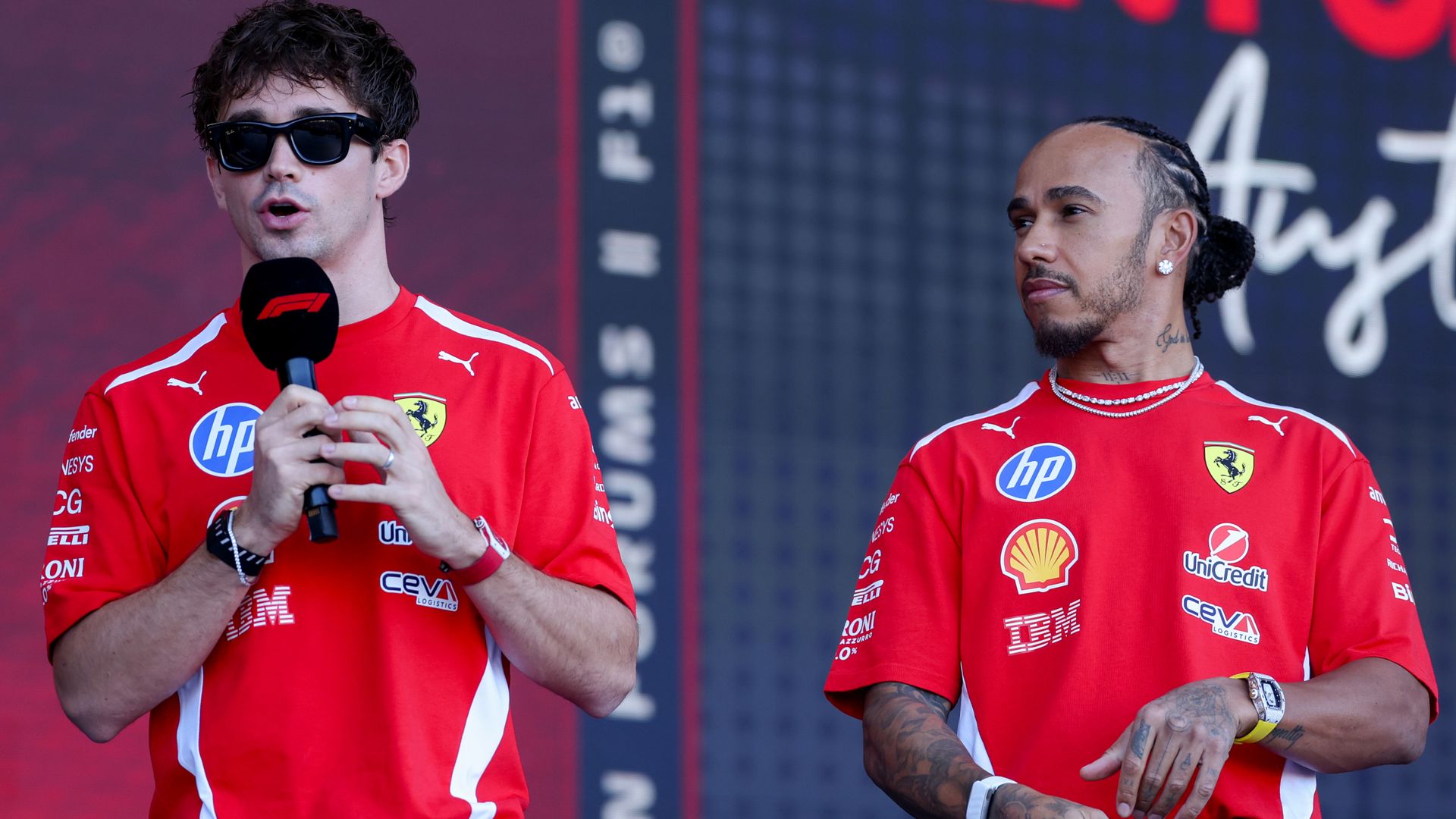
Ferrari’s long wait for a Grand Prix pole position continued in the United States on Saturday, as Charles Leclerc and Lewis Hamilton failed to convert their expected pace into a top-three starting grid slot. The team, which had looked like the clear favorite in practice sessions, found its performance evaporating precisely when it mattered most. This result extends an uncomfortable trend where the Scuderia struggles to maintain consistent speed across the full spectrum of race weekend conditions, leaving them chasing rivals who have adapted more effectively to the unique demands of the Circuit of the Americas.
The core of the problem lies in Ferrari’s ability to manage tire degradation and track evolution. In recent races, the team has shown strong one-lap pace but has repeatedly struggled when the track becomes faster and grip levels change throughout the session. The 2025 car, while competitive, seems to require a very specific balance that is difficult to hold as the asphalt degrades. This inconsistency contrasts sharply with teams like McLaren and Red Bull, which have demonstrated greater resilience in varying conditions. For Ferrari, this is a familiar narrative from previous seasons where technical superiority in practice did not translate into qualifying or race success, highlighting a persistent gap between potential and execution.
Team principal Fred Vasseur has been vocal about the need for consistency rather than just peak performance. He has acknowledged that qualifying is a different beast from race simulation and that the car’s behavior changes as tires wear. The drivers echo this, noting that the feedback loop between car and track is not as predictable as hoped. Leclerc, in particular, has been frustrated by the lack of a clean run or the slight loss of rear-end stability that costs precious tenths of a second. The margin for error in modern Formula One is microscopic, and when a team cannot lock in its setup early, it often finds itself fighting for scraps by the end of qualifying.
Looking ahead, the pressure is on Ferrari to provide answers before the final races of the season. The team now enters Sunday’s race from further back on the grid, which complicates their strategy significantly. Starting outside the top three means they will likely be battling through traffic in the opening laps, a scenario that favors aggressive drivers but risks damaging the car or falling into a rhythm that is hard to shake. The championship implications are significant, as every point gained in qualifying translates to better race positioning. If Ferrari cannot solve this pace evaporation issue, they risk finishing another season as a team that looked excellent on paper but underdelivered on the track, leaving fans and sponsors questioning whether the technical direction is truly sustainable for the long term.
Read Full Story at Sky Sports →




