No deal announced after Trump meeting to make 'final determination' on Iran
Trump held a White House meeting with advisers but did not finalize a deal on extending a 60-day Iran ceasefire. Trump’s strict demands, including Iran’s nuclear renunciation and Strait of Hormuz access, complicated approval, while Iran criticized the U.S. for excessive demands.
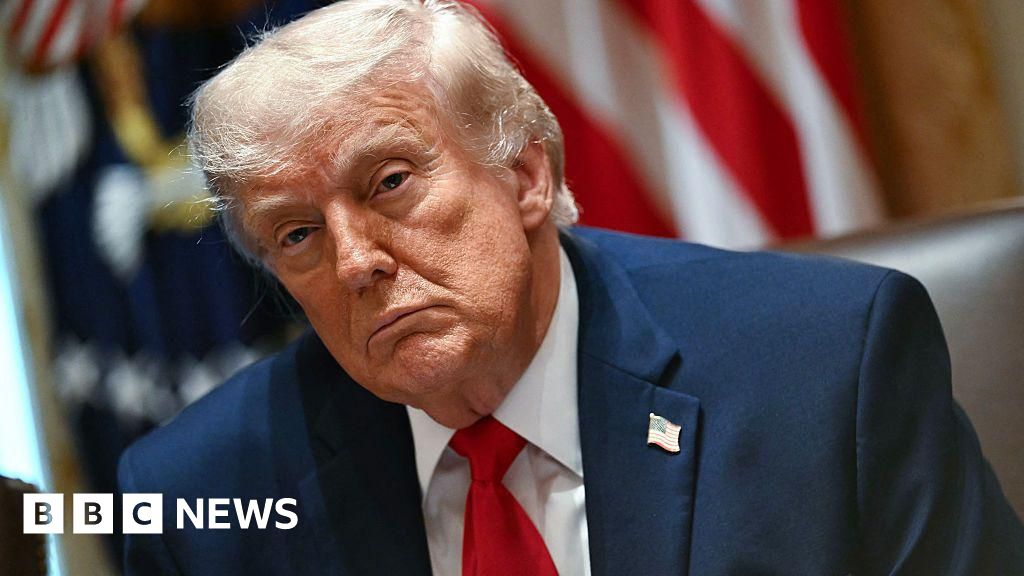
US President Donald Trump concluded a high-level meeting with senior advisers late on Friday without reaching a clear resolution on whether to extend a temporary ceasefire framework with Iran, despite earlier indications of imminent progress. The closed-door discussions in the White House Situation Room—typically reserved for crises—followed a week of fluctuating signals from Washington and Tehran, with both sides publicly staking out firm positions ahead of a critical diplomatic decision. According to US officials, a preliminary agreement had been drafted in the form of a memorandum of understanding that would extend the current 60-day ceasefire and open talks on Iran’s nuclear programme. However, Trump’s insistence on stringent preconditions—including Iran’s permanent renunciation of nuclear weapons, the reopening of the Strait of Hormuz to unrestricted shipping, and the removal of any mines in the waterway—appears to have complicated final approval.
Before the meeting, Trump posted on Truth Social that any future deal would require Iran to abandon its nuclear ambitions entirely, while also demanding the immediate lifting of the US naval blockade in the Strait of Hormuz to allow trapped vessels to depart. He added that Iran must permit the US to remove and destroy its stockpiled enriched uranium, though no corresponding concessions were outlined regarding sanctions relief or other economic measures. A White House official, speaking to CBS News, reiterated that Trump would only accept terms “good for America” and consistent with his stated red lines, underscoring the administration’s hardened stance. Yet despite these declarations, no new agreement was announced following the Situation Room gathering, and officials declined to provide further details on the outcome or next steps.
Iran has responded with sharp criticism, accusing the United States of undermining diplomacy through what it calls “excessive demands” and continued coercive measures. Mohsen Rezaei, an adviser to Supreme Leader Ayatollah Ali Khamenei, posted on X that Trump had “betrayed diplomacy for the third time,” citing the persistent naval blockade and Washington’s refusal to ease economic pressure as evidence of bad faith. Iranian state-linked media went further, alleging that Trump’s public statements contained “a mixture of truth and lies,” including claims that the proposed deal required the destruction of nuclear material—something reportedly absent from the memorandum of understanding. Meanwhile, Iran’s foreign ministry remained silent on the matter, leaving observers to question whether the framework remains viable or has effectively collapsed under the weight of mutual mistrust.
The impasse comes amid ongoing regional tensions, with Iran insisting its nuclear programme is purely civilian in nature, while the US and its allies continue to view Tehran’s uranium enrichment as a potential pathway to weapons capability. The current ceasefire, now in its second month, has offered only a fragile pause in hostilities, with both sides carefully calibrating their rhetoric and actions ahead of any renewed negotiations. As of Saturday, Iranian vessels reportedly remained blocked by the US naval presence in the Strait of Hormuz, a flashpoint for past confrontations. With no deal announced and positions hardening on both sides, the prospect of a durable agreement appears increasingly distant, leaving the door open for further escalation or a return to open hostilities.