💻 Technology
Live
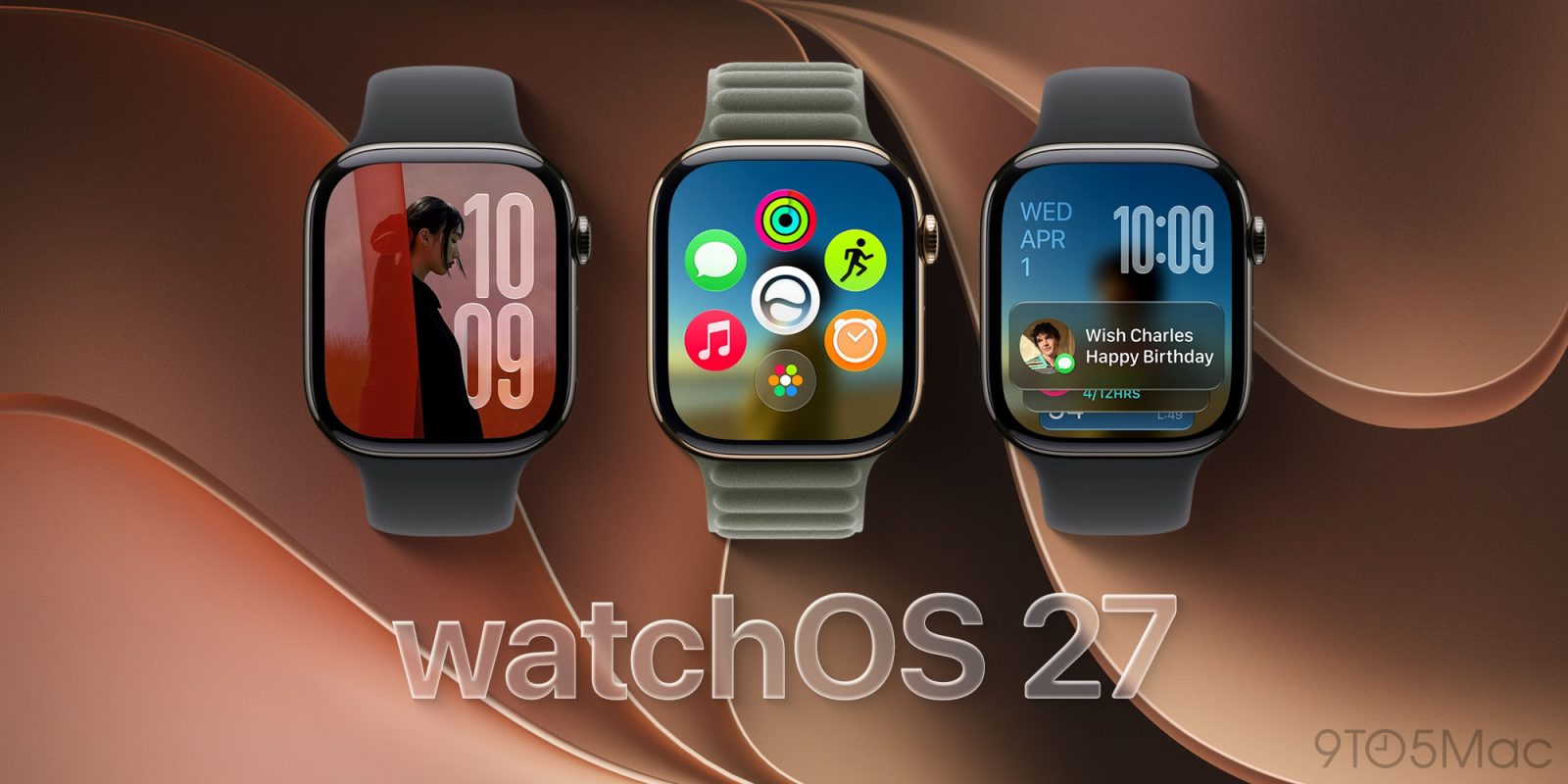
No Liquid Glass slider for Apple Watch, but here’s how watchOS 27 design changes
With iOS 27, Apple is giving iPhone users a slider to customize how clear or frosted Liquid Glass appears. While the same slider comes to the Mac and iPad, Apple Watch just has one Liquid Glass setti…
9to5Mac — 16 June 2026
Text:
14
0
0
With iOS 27, Apple is giving iPhone users a slider to customize how clear or frosted Liquid Glass appears. While the same slider comes to the Mac and
Read Full Story at 9to5Mac →
⚡ Quickyla Analysis
Original editorial context — not sourced from the article above
Apple’s decision to withhold a Liquid Glass customization slider from the Apple Watch in watchOS 27 is more than a minor design tweak—it underscores a fundamental tension between user personalization and platform constraints. While iPhone, Mac, and iPad users gain granular control over how translucent or frosted their interface appears, the Apple Watch’s rigid setting reflects Apple’s cautious approach to wearable design, where clarity and legibility often take precedence over aesthetic flexibility. This isn’t just about user preference; it’s a statement about the role of wearables in daily life. Unlike devices that sit on a desk or are held in hand, a watch is constantly in motion, its screen viewed at a glance, often in bright sunlight or dim lighting. A frosted interface might look stylish on a phone, but on a watch, it could blur critical information—time, notifications, health metrics—just when the user needs it most.
The exclusion also highlights Apple’s broader strategy of differentiating its platforms. While iOS and macOS increasingly converge in features like Liquid Glass, watchOS remains a distinct experience, prioritizing functionality over frills. This isn’t the first time Apple has held back a feature from the Watch: earlier versions lacked third-party app icons in the dock, and more recently, they omitted certain iOS-style widgets. The pattern suggests Apple views the Watch as a tool first, a fashion statement second—even as competitors like Samsung lean into customizable watch faces and dynamic interfaces.
What remains unclear is whether this is a permanent limitation or a temporary one. Apple has a history of gradually expanding watchOS capabilities, but the absence of a slider could also reflect hardware constraints. The Watch’s smaller screen and battery life demands may simply not accommodate the same level of visual experimentation. If Apple ever introduces a high-refresh-rate display or more advanced power management, customization could follow. Until then, users will have to accept—or ignore—the single preset, a reminder that even in an era of personalization, some devices still answer to higher priorities.
Sources

💻 Technology
You can now beat ChatGPT Codex rate limits, if you have friends

💻 Technology
Meta is reportedly developing an AI pendant

💻 Technology
Cash App made a magic wand for contactless payments

💻 Technology
Coders are refusing to work without AI — and that could come back to bite them

💻 Technology
Hackers hijacked Instagram accounts by tricking Meta AI support chatbot into granting access

💻 Technology
Asus gives the ROX Xbox Ally the OLED screen it deserves

