Lord Kelvin's thermodynamics estimates Earth's age, sparking 19th-century debate
In the 19th century, thermodynamics prompted scientists like Lord Kelvin to estimate Earth's age at 20 to 40 million years, challenging biblical interpretations of creation. This debate laid the foun…
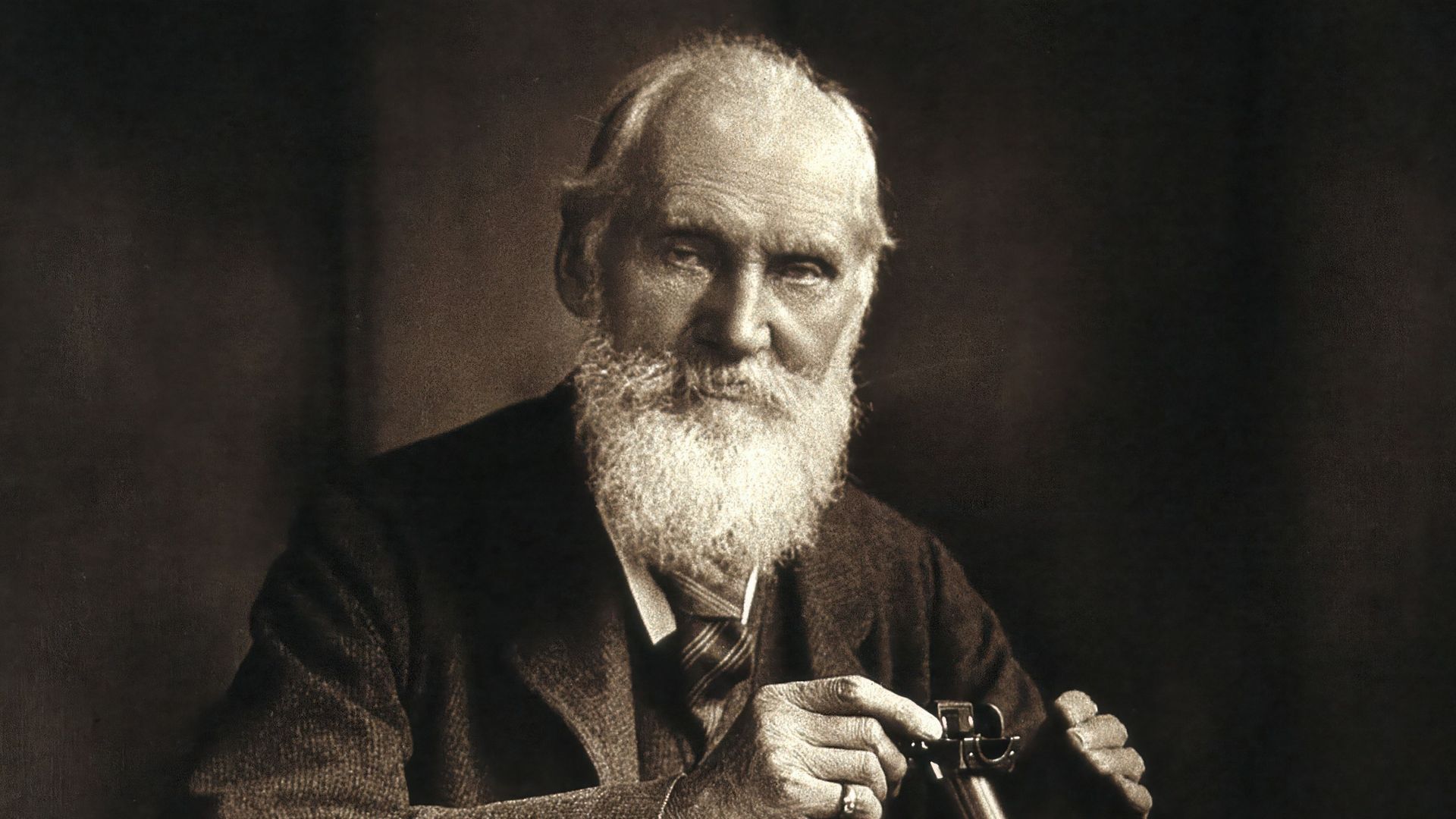
In the 19th century, scientists began applying thermodynamics to calculate the age of Earth, sparking a heated debate that would change our understanding of the planet's history. Pioneers like Lord Kelvin used principles of heat transfer and energy to estimate that Earth was around 20 to 40 million years old. These calculations challenged biblical interpretations of Earth’s creation, which suggested a much younger planet.
The emergence of thermodynamics as a scientific discipline provided the tools needed to approach this question with mathematical rigor. Before this, many scientists relied on geological observations and fossil records, which were often inconclusive. The Industrial Revolution also played a role by fostering technological advancements, allowing scientists to conduct more precise experiments. As these thermodynamic calculations gained traction, they alarmed many who adhered to traditional views of Earth's age rooted in religious texts.
Reactions to these findings were mixed. Some celebrated the insights that thermodynamics offered, embracing a view of Earth shaped by immense geological time. Others, particularly those in religious circles, vehemently opposed these ideas, arguing that they undermined the historical narratives of creation. This scientific debate laid the groundwork for future discussions about evolution and the age of the Earth, ultimately leading to the acceptance of much older timelines based on emerging fields like radiometric dating.
Today, the implications of this 19th-century debate continue to resonate. The clash between science and religious beliefs over Earth's age has not fully resolved. Understanding the complex history of these discussions is crucial as society grapples with broader scientific concepts, including climate change and sustainability. As scientists push forward with new discoveries, the legacy of thermodynamics and its role in reshaping our understanding of Earth's history remains a pivotal chapter in the story of science.
Read Full Story at Live Science →