NOAA proposes rollbacks to marine protections for commercial fishing profits
NOAA is considering rollbacks to marine protections that could jeopardize species like leatherback turtles and Steller sea lions, favoring commercial fishing profits over ecosystem health. This shift…
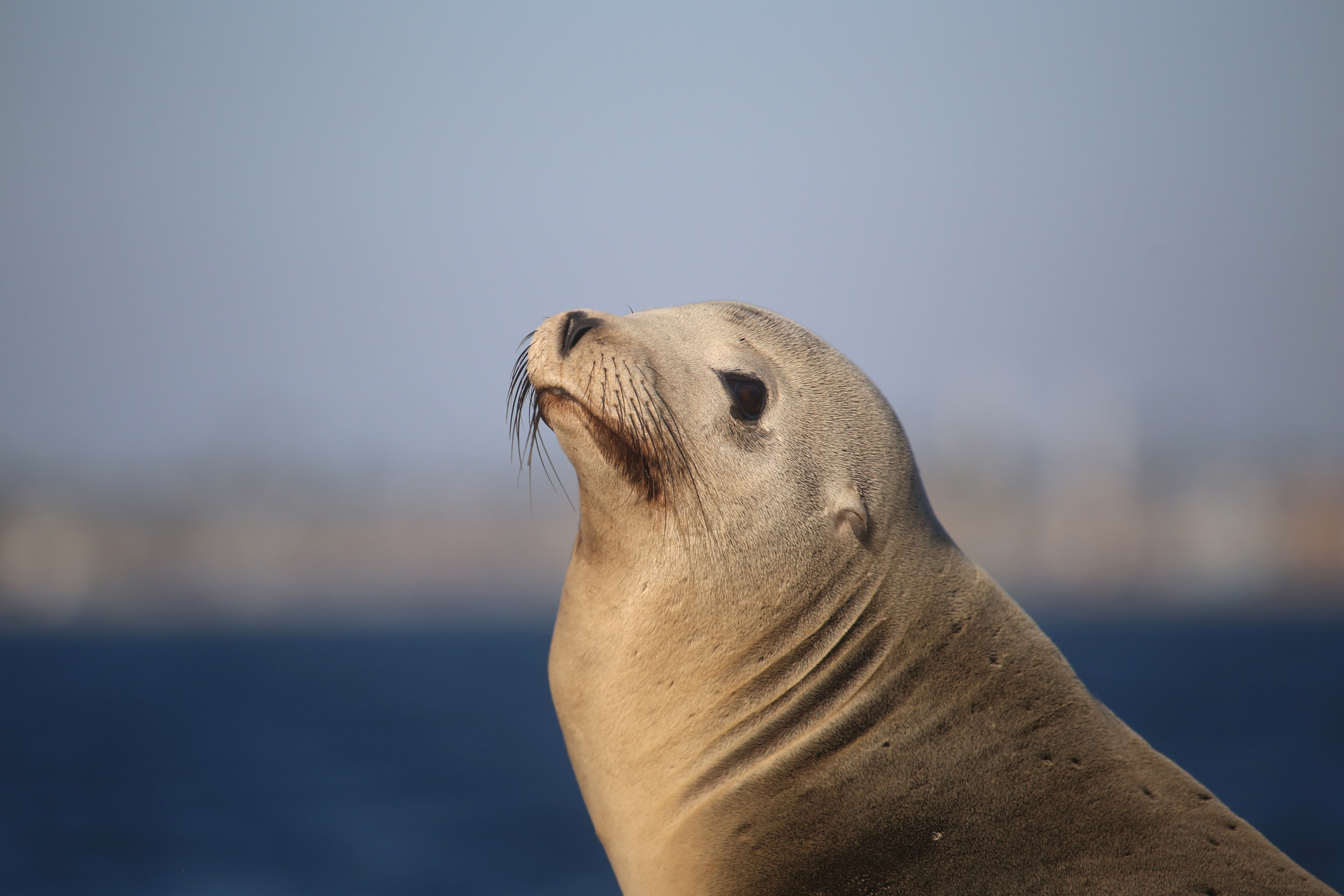
The National Oceanic and Atmospheric Administration (NOAA) is considering significant rollbacks to marine protections that could endanger several species, including leatherback turtles and Steller sea lions. The agency recently sent letters to regional fisheries councils, indicating a shift in priorities that might prioritize commercial fishing profits over the preservation of marine ecosystems.
This move comes amid ongoing debates about the balance between economic interests and environmental sustainability. NOAA's proposed changes arrive at a time when marine species are already under pressure from climate change, habitat loss, and overfishing. The agency's decisions are particularly crucial as they relate to the health of marine biodiversity, which supports not only wildlife but also local economies reliant on fishing and tourism.
Specific proposals include eliminating protections for leatherback turtles in the Western Pacific, reducing the size of Steller sea lion sanctuaries in Alaska, and potentially scrapping safety gear in the North Atlantic designed to protect endangered right whales from entanglements. Critics argue that these changes could lead to further declines in already vulnerable species. Environmental groups are mobilizing to challenge these potential rollbacks, warning that weakening protections could have dire consequences for marine life and ecosystems.
As NOAA weighs these decisions, the implications for conservation efforts are significant. If the proposals move forward, it could set a precedent for prioritizing economic gain over environmental health. Stakeholders, including environmental advocates and fishing communities, will be closely monitoring the situation. The outcome could reshape marine management strategies for years to come, affecting both wildlife and the communities that depend on healthy oceans.
Read Full Story at Inside Climate News →