Google integrates Gemini chat into iOS CarPlay Maps
Google added Gemini AI chat to iOS CarPlay Maps, enabling complex conversational queries instead of basic voice commands. This move unifies in-car AI across platforms and intensifies competition with…
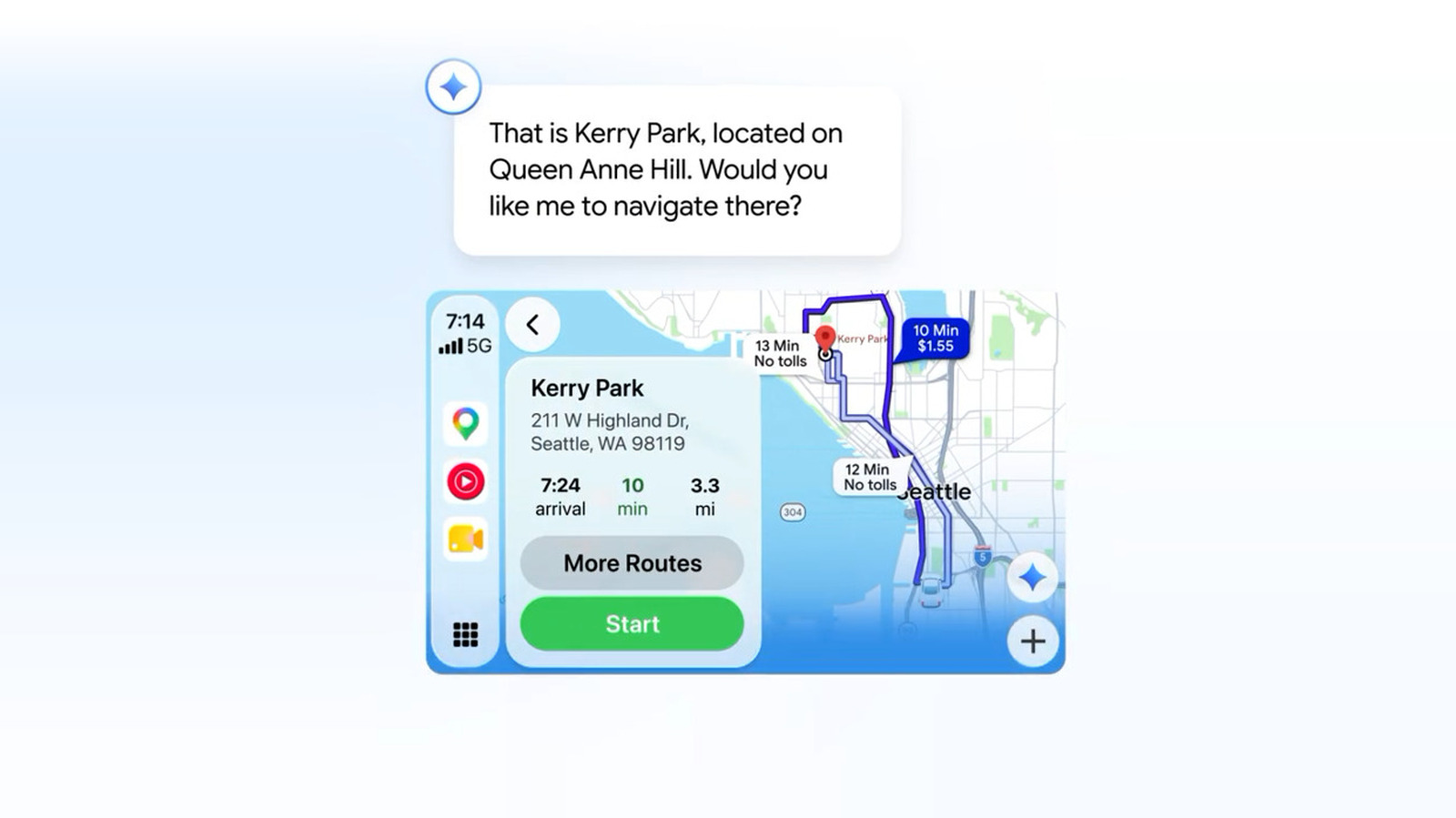
Google has begun rolling out a significant update to its Google Maps application for iOS users who drive with CarPlay. The update introduces direct access to the company’s Gemini artificial intelligence assistant, allowing drivers to interact with a conversational chatbot directly from their car’s dashboard. Previously, CarPlay users were limited to standard voice commands or manual inputs within the navigation interface. Now, a new Gemini icon appears in the bottom right corner of the Maps screen. Tapping this icon opens a chat interface where users can type or speak complex questions to the AI. This marks a major shift in how drivers interact with navigation software, moving from simple query-response systems to a more fluid, dialogue-based experience. The feature is currently launching in the United States and is expected to expand to other regions shortly.
This release follows closely on the heels of a similar announcement made for Android Auto users, where Google introduced Gemini Personal Intelligence. The timing suggests a coordinated effort to unify the user experience across both major in-car operating systems. By bringing this technology to CarPlay, Google is directly competing with Apple’s Siri and the built-in intelligence of Tesla’s vehicles. The core value proposition here is the ability to handle multi-part, nuanced queries that traditional voice assistants often struggle with. For instance, a driver can ask, "What park is famous for gorgeous views overlooking the city?" and receive a specific, context-aware recommendation rather than a generic list of nearby parks. This capability leverages Gemini’s advanced reasoning skills to parse intent and provide precise answers, making it particularly useful for spontaneous road trips or when exploring unfamiliar cities.
The rollout is happening in phases, which means not all users will see the new icon immediately. Google has advised users to be patient, as the update may take several days to reach every device. Once available, the assistant will help users find stops on the go, report traffic disruptions, and gather detailed information about local places. The integration is designed to be non-intrusive, fitting neatly into the existing Maps interface without cluttering the view. For tech-savvy drivers, this is a welcome addition that brings the latest AI capabilities to one of the most common in-car apps. It represents a step toward a future where the car’s software acts less like a rigid tool and more like a knowledgeable co-pilot. The ability to ask open-ended questions while driving requires careful interface design to ensure safety, and Google’s placement of the icon suggests a focus on quick, glanceable interactions.
Looking ahead, this update signals a broader trend in automotive technology where artificial intelligence becomes the primary interface for vehicle features. As Gemini becomes more integrated with personal data, such as calendar events or previous searches, the assistant will likely become more predictive and personalized. This could lead to scenarios where the car suggests a route based on your upcoming meetings or recommends a restaurant that aligns with your past preferences. For now, the focus is on basic conversational navigation, but the foundation is being laid for much deeper integration. Drivers who adopt this feature early will likely find it reshapes their daily commutes and weekend drives. The line between a navigation app and a personal assistant is blurring, and Google is positioning itself to lead that transition. Users should check their app store for the latest version of Google Maps to ensure they are eligible for the update.
Read Full Story at Engadget →