NRC replaces ALARA with fixed 100 millirem public limit
The NRC plans to replace the ALARA radiation safety standard with a fixed 100 millirem per year limit for public exposure. Critics warn this could reduce incentives for further radiation reduction, wh
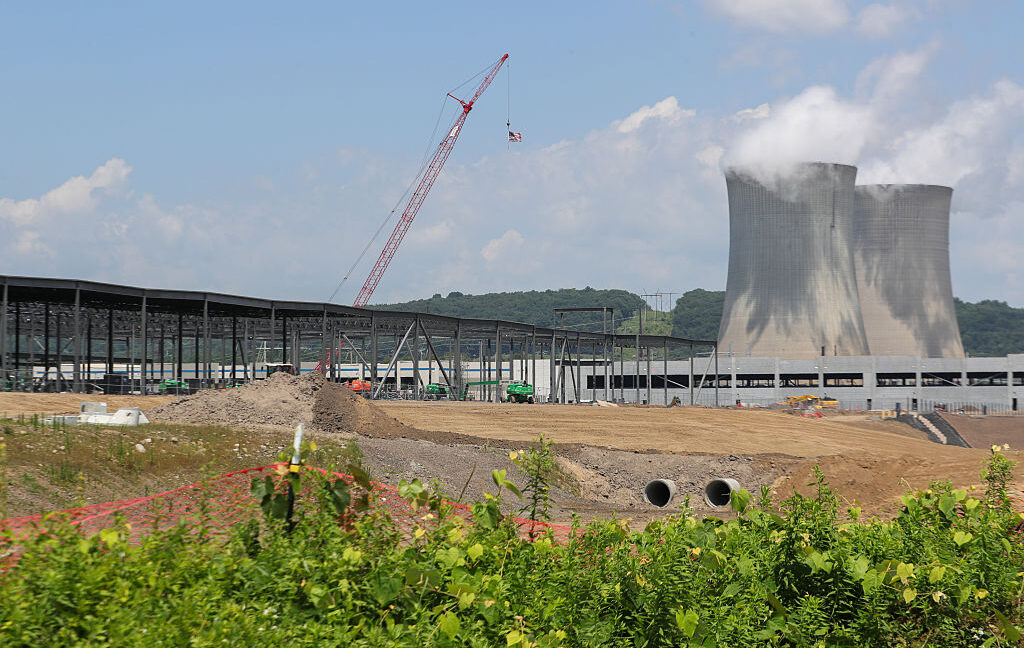
The U.S. Nuclear Regulatory Commission (NRC) is moving to scrap the long-standing "as low as reasonably achievable" (ALARA) safety standard for radiat
Read Full Story at Ars Technica →Why This Matters
The proposed shift from the "as low as reasonably achievable" (ALARA) standard to a fixed 100 millirem annual limit could mark a subtle but pivotal realignment in how radiation safety is enforced. While framed as a simplification, the change risks eroding decades of progress in minimizing exposure, particularly in industries where incremental safety improvements had become standard practice. For communities near nuclear facilities, the debate over whether this is a necessary regulatory streamlining or a step backward in public health protections will hinge on whether the NRC’s calculus prioritizes consistency over continuous improvement.
Background Context
The ALARA principle, introduced in the 1970s amid growing public concern over nuclear energy, has long served as the cornerstone of U.S. radiation safety policy. It stemmed from the recognition that even low-level radiation exposure carried cumulative risks, pushing regulators to push industries toward ever-lower thresholds. The Nuclear Regulatory Commission’s current move reflects a broader trend in regulatory agencies to replace flexible, principle-based standards with fixed, numerical limits—a shift often justified by calls for clarity and reduced administrative burden, but one that critics argue sidelines precautionary principles.
What Happens Next
The transition to a fixed limit will likely trigger legal challenges from environmental groups and public health advocates, who may argue that the change violates the National Environmental Policy Act or undercuts existing statutory obligations to minimize risk. Meanwhile, nuclear industry stakeholders may face new compliance questions: while a cap of 100 millirem simplifies enforcement, facilities that had already reduced exposures below that threshold could now be incentivized to relax further improvements. Congressional oversight hearings would not be surprising, given the high stakes for both public safety and the industry’s regulatory stability.
Bigger Picture
This shift aligns with a broader deregulatory momentum in environmental and occupational safety standards, where cost-benefit analyses increasingly supersede precautionary approaches. It also mirrors debates over similar standards in toxic chemicals and air pollution, where fixed limits are pitched as more predictable but often at the expense of adaptive safety measures. The radiation policy change could set a precedent for other agencies, signaling whether the U.S. is moving toward a more rigid, compliance-focused regulatory framework—or whether backlash will force a rethink of what "reasonably achievable" truly means in an era of evolving scientific understanding.