NYC allocates $20M to clean Bronx air
New York City redirected $20 million from congestion pricing to combat asthma in the Bronx, where childhood hospitalization rates are among the highest due to severe air pollution. Advocates call it a
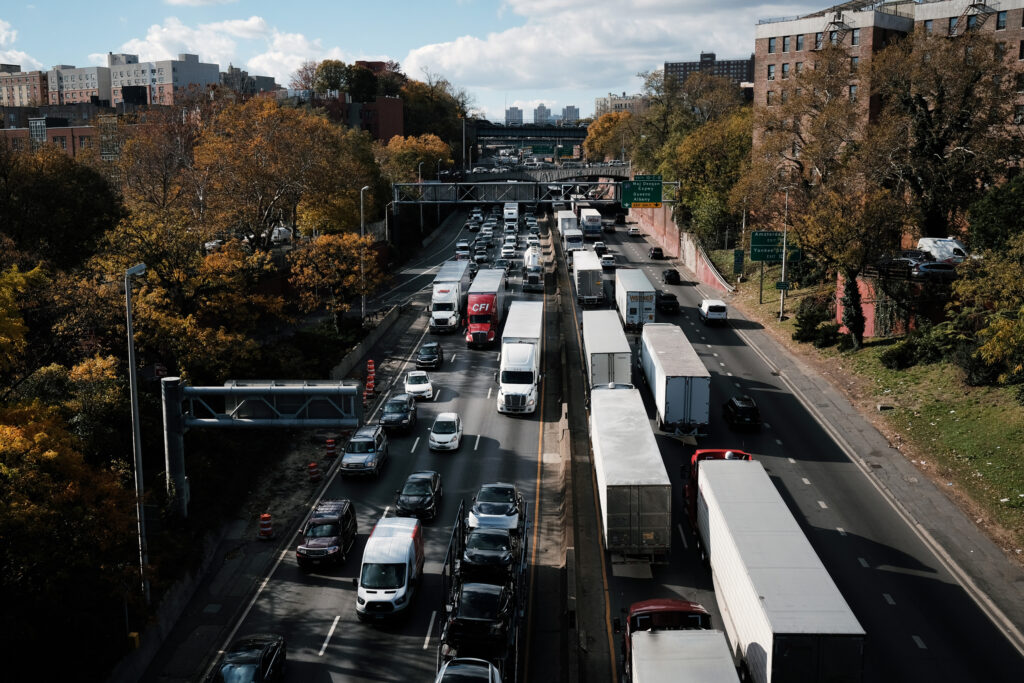
New York City is redirecting $20 million in congestion pricing funds to fight childhood asthma in the Bronx after years of grassroots pressure from re
Read Full Story at Inside Climate News →Why This Matters
The Bronx’s air quality crisis is a microcosm of environmental injustice, where decades of underinvestment and industrial zoning have disproportionately burdened low-income communities of color. This $20 million allocation, while a step toward parity, underscores the gap between symbolic funding and systemic change—highlighting how even well-intentioned policies can fall short without addressing root causes like transportation policy and urban planning.
Background Context
The Bronx has long been a sacrifice zone for air pollution, home to highways, waste transfer stations, and industrial facilities that were historically sited in marginalized neighborhoods. The city’s decision to reroute congestion pricing revenue—originally intended to fund mass transit—signals a retreat from equitable infrastructure investments, prioritizing vehicle traffic over respiratory health in a borough where 1 in 4 children has asthma.
What Happens Next
Watch whether this funding translates into measurable reductions in asthma rates or merely serves as a stopgap while larger polluters remain unregulated. The city’s next move—expanding green spaces, electrifying school buses, or enforcing industrial emissions—will reveal whether this is a Band-Aid or the start of a broader reckoning with environmental racism. Advocates will likely push for binding commitments, not just temporary fixes.
Bigger Picture
This case reflects a national tension between urban climate policies and their unintended consequences for vulnerable communities. As cities adopt "green" measures—like congestion pricing—without safeguards, marginalized neighborhoods risk bearing the brunt of pollution while wealthier areas reap the benefits. The Bronx’s struggle is a cautionary tale for other cities racing toward net-zero without addressing historic inequities.


