NYC tests geothermal cooling in four subway stations
NYC plans a $5M pilot using underground thermal energy to cool four subway stations, aiming to cut cooling electricity by 80% and CO₂ by 1,500 tons yearly. Successful tests could lead to full line co…
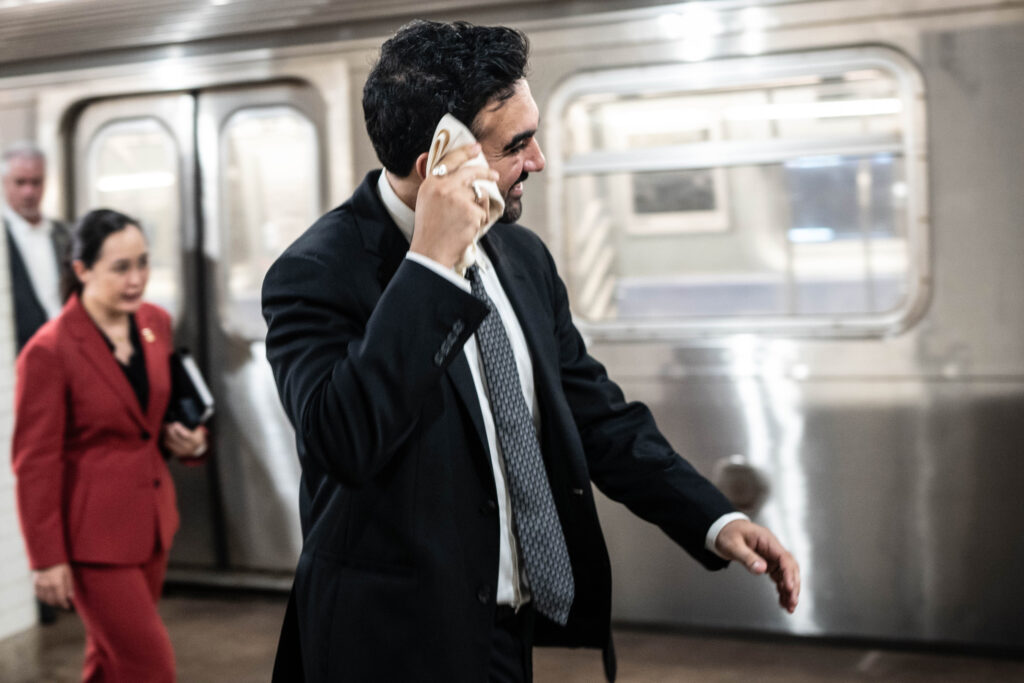
New York Governor Kathy Hochul and New York City Mayor Zohran Mamdani announced Monday a $5 million pilot program to test whether thermal energy networks can cool sweltering subway stations without adding to the grid’s summer strain.
The idea grew out of the brutal 2022 heat wave that pushed underground stations above 100°F and sent straphangers to hospital with heat illness. The Metropolitan Transportation Authority burned through $40 million in extra electricity that summer to keep air-conditioning units running. Climate projections show such spikes will become more frequent, so the MTA is under state pressure to cut emissions and energy use while improving rider comfort. Thermal networks—closed loops of water piped through stations, exchanging heat with deeper earth or nearby water bodies—could slash electricity demand and carbon output at the same time.
The pilot will outfit four stations, one on each numbered line, with sensors and small boreholes drilled 300 to 500 feet underground. Engineers expect the steady 55°F soil temperature to absorb heat from the looped water, which then returns to chill platforms. Early modeling by the state Energy Research and Development Authority shows the system could cut cooling-related electricity use by up to 80% and avoid roughly 1,500 tons of CO₂ a year if rolled out system-wide. The MTA’s own data reveal that station temperatures can exceed outdoor levels by 10 to 15 degrees, making riders who are elderly, pregnant, or in poor health especially vulnerable.
If the four-station test succeeds, Hochul’s office has pledged to fund a full line conversion within five years. The approach dovetails with the governor’s broader plan to install geothermal heat pumps in 100 public buildings by 2030. Transit advocates argue that cooler stations would reduce service delays caused by overheated tracks and cables—delays that cost the city an estimated $200 million annually. The pilot also aligns with Mayor Mamdani’s green-jobs initiative, as union labor will install the piping. Results are due before next summer’s heat season, giving the city a short window to scale up or pivot to other cooling strategies.
Read Full Story at Inside Climate News →