U.S. offshore wind industry faces setbacks amid Trump’s regulatory rollbacks
The U.S. offshore wind industry, aimed at powering over 10 million homes by 2030, is struggling due to regulatory rollbacks and lack of support from the Trump administration. This decline in investme…
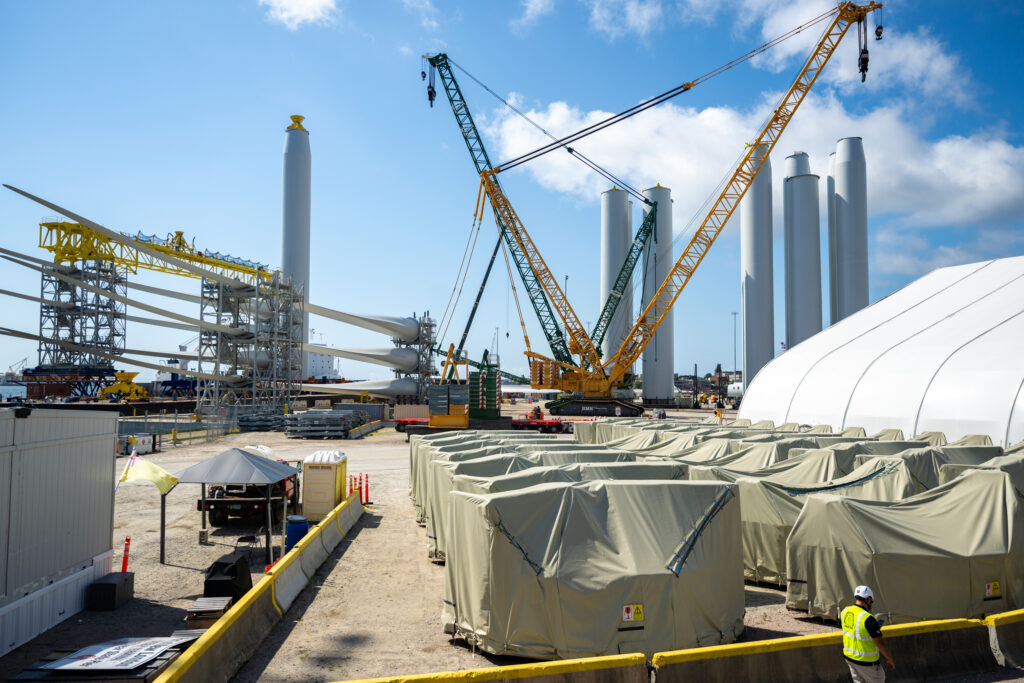
The United States had a vision: Offshore wind would produce enough energy to power over 10 million homes by 2030. However, the industry is now facing significant challenges due to a series of attacks and regulatory rollbacks initiated during Donald Trump’s presidency. Five years after the Biden administration set ambitious goals for offshore wind, the industry remains in a precarious position, struggling to regain its footing.
The push for offshore wind energy in the U.S. gained momentum as part of a broader effort to address climate change and reduce reliance on fossil fuels. With the potential to create thousands of jobs and stimulate economic growth, offshore wind was seen as a crucial component of the nation's clean energy future. However, Trump’s administration frequently criticized the industry, undermining public confidence and stalling projects through regulatory hurdles and a lack of federal support. This hostility has left a lasting impact, as many developers are hesitant to invest in new projects amid a climate of uncertainty.
Recent reports indicate that the offshore wind sector has seen a decline in new project announcements and investment commitments. Only a handful of projects are nearing completion, and many others are facing delays. Experts point out that the industry needs strong federal support and clear policies to attract investment and ensure long-term growth. The challenges have also been compounded by rising costs and supply chain issues exacerbated by the COVID-19 pandemic. As a result, the ambitious goal of powering 10 million homes by 2030 now seems increasingly out of reach.
Looking ahead, the future of offshore wind in the U.S. will depend on the incoming administration's ability to revitalize the industry through supportive policies and investments. The need for clean energy alternatives is more pressing than ever as climate change intensifies. As other countries make significant strides in offshore wind development, the U.S. risks falling behind if it cannot overcome the challenges left in the wake of Trump's presidency. The stakes are high, not just for energy production but for economic growth and environmental sustainability.
Read Full Story at Inside Climate News →