Jon Husted
Ohio’s rural voters could tip the balance of control in the U.S. Senate as the state’s November 5 election pits Republican state auditor Jon Husted against Democratic former senator Sherrod Brown, a …
Ohio’s rural voters could tip the balance of control in the U.S. Senate as the state’s November 5 election pits Republican state auditor Jon Husted against Democratic former senator Sherrod Brown, a race that national analysts say will decide which party holds the chamber.
The contest has turned Ohio from a once‑reliable swing state into a battleground, and the shift is evident in places like the Athens farmers market. The market, a longtime gathering spot in the college town of Athens, now hosts a Republican Party table for the first time in years, a sign that both parties see the rural electorate as crucial. Athens itself leans liberal, but surrounding Appalachian counties remain staunchly conservative, and both campaigns are pouring resources into those areas to win over voters who traditionally back Republicans.
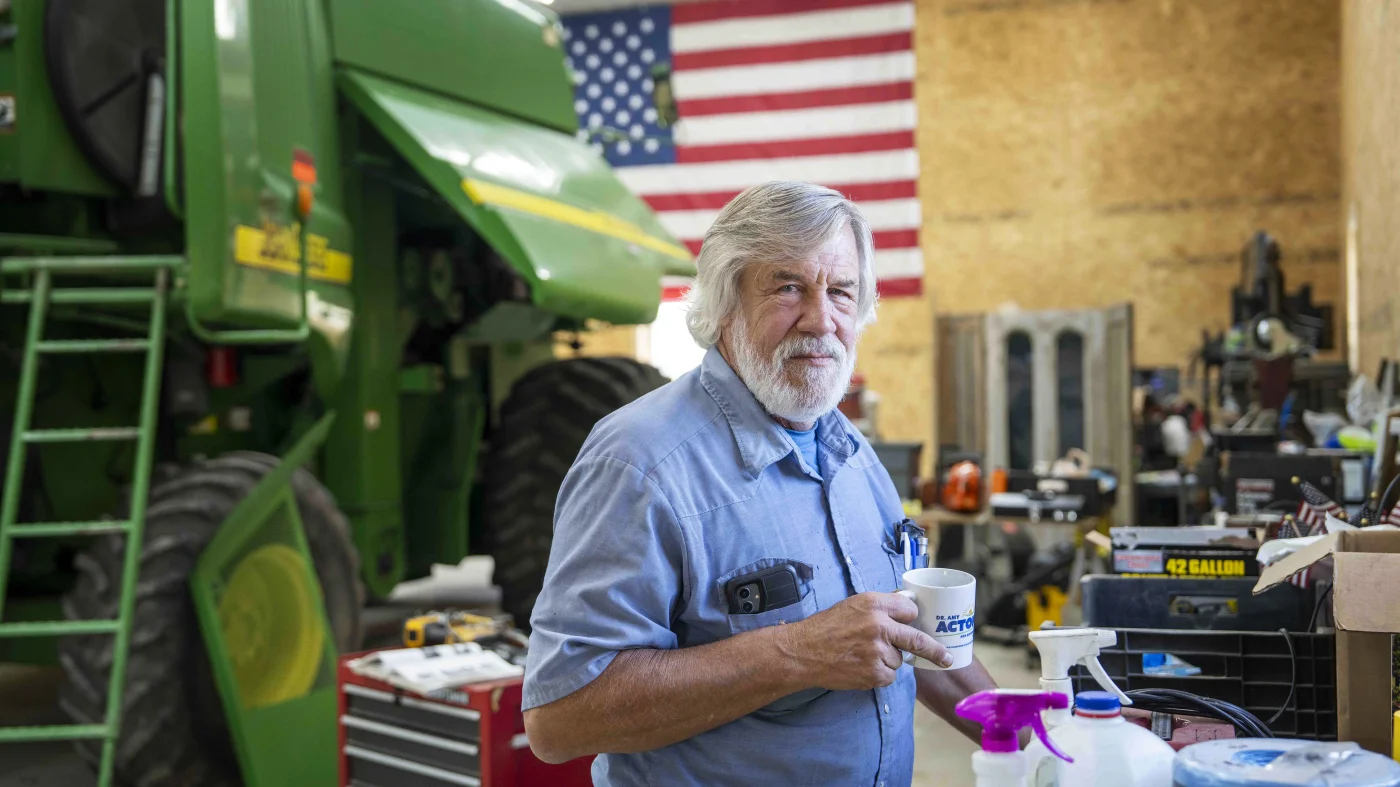
Rural Ohioans are feeling the pressure of rising costs. Farmers such as Larry Cowdery, who sells vegetables from his Long Bottom farm, say health‑insurance premiums could jump about 15 percent next year after federal subsidies expire. That increase is tied to legislation supported by Husted that eliminated the subsidies under a Trump‑backed bill. At the same time, residents cite high gas and diesel prices, tariffs and the war in Iran as sources of frustration. Recent polls show former President Trump’s approval in rural America has fallen sharply, even though he won those voters by a 40‑point margin in 2024. Democrats hope to capitalize on that discontent, while Republicans argue their policies will keep prices down.
The outcome will shape Senate control and set the tone for future policy battles over health care, trade and foreign affairs. If Brown can swing enough rural votes, Democrats could break the Republican majority and influence legislation for the next two years. If Husted holds the seat, the GOP retains its edge and can advance its agenda with fewer obstacles. Both candidates will intensify outreach in the coming weeks, making Ohio’s farm markets and small towns the unlikely front lines of a national power struggle.
Read Full Story at NPR News →