Oil prices hit $100 for the first time since May
Oil prices hit $100 a barrel for the first time since May as the escalating conflict in the Middle East reignited fears over global energy supplies. Brent crude - the global benchmark for oil prices
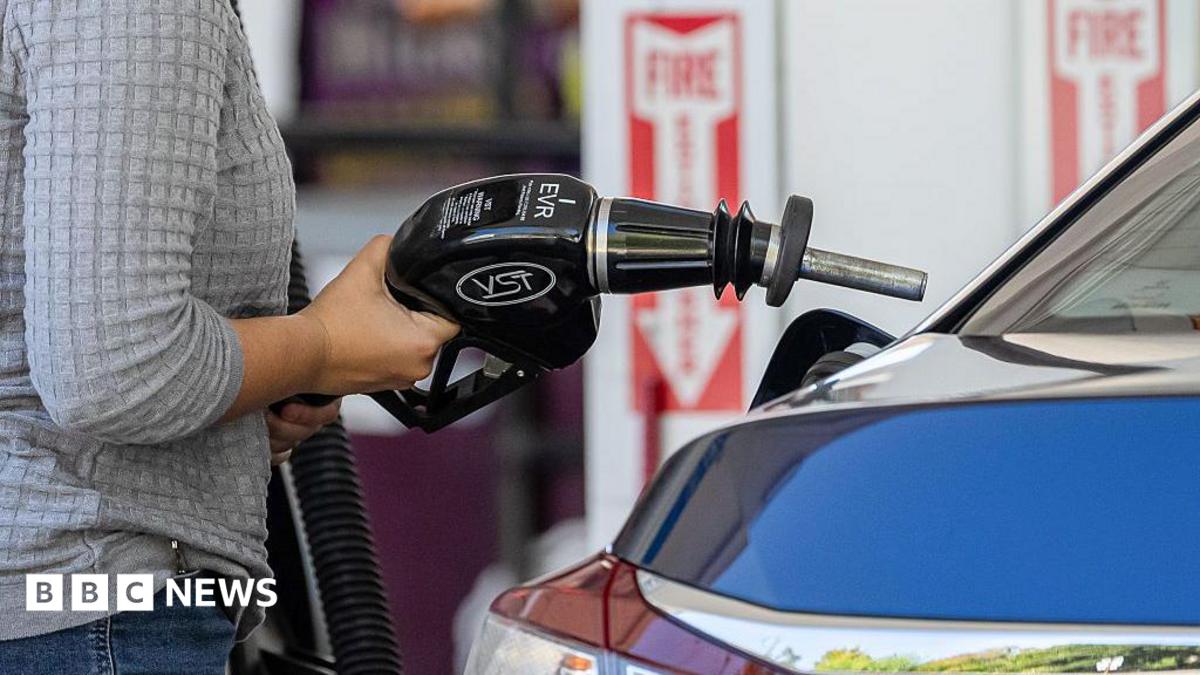
Oil prices hit $100 a barrel for the first time since May as the escalating conflict in the Middle East reignited fears over global energy supplies.
Read Full Story at BBC Business →Why This Matters
The surge in oil prices to $100 per barrel signals a critical juncture for global economies, particularly those heavily reliant on energy imports. As geopolitical tensions escalate, the potential for supply disruptions could exacerbate inflationary pressures and impact consumer behavior, making energy security a paramount concern for policymakers worldwide.
Background Context
Historically, oil prices have been sensitive to geopolitical events, particularly in the Middle East, a region that holds a significant portion of the world's oil reserves. The last time prices reached this level was in May, highlighting the cyclical nature of oil markets that often react swiftly to conflict or instability in oil-producing nations.
What Happens Next
In the short term, consumers can expect to feel the impact of rising fuel prices, which may lead to increased transportation and goods costs. Additionally, investors will be closely monitoring developments in the region, as further escalation could lead to sustained high prices or even a spike that disrupts global markets.
Bigger Picture
This price increase reflects a broader trend of volatility in global energy markets, influenced by geopolitical instability, climate policies, and shifting demand patterns post-pandemic. As countries transition to renewable energy sources, such fluctuations could prompt a reevaluation of energy strategies and investment in alternative technologies to ensure future resilience.