On the brink of extinction, the vaquita gets a digital lifeline
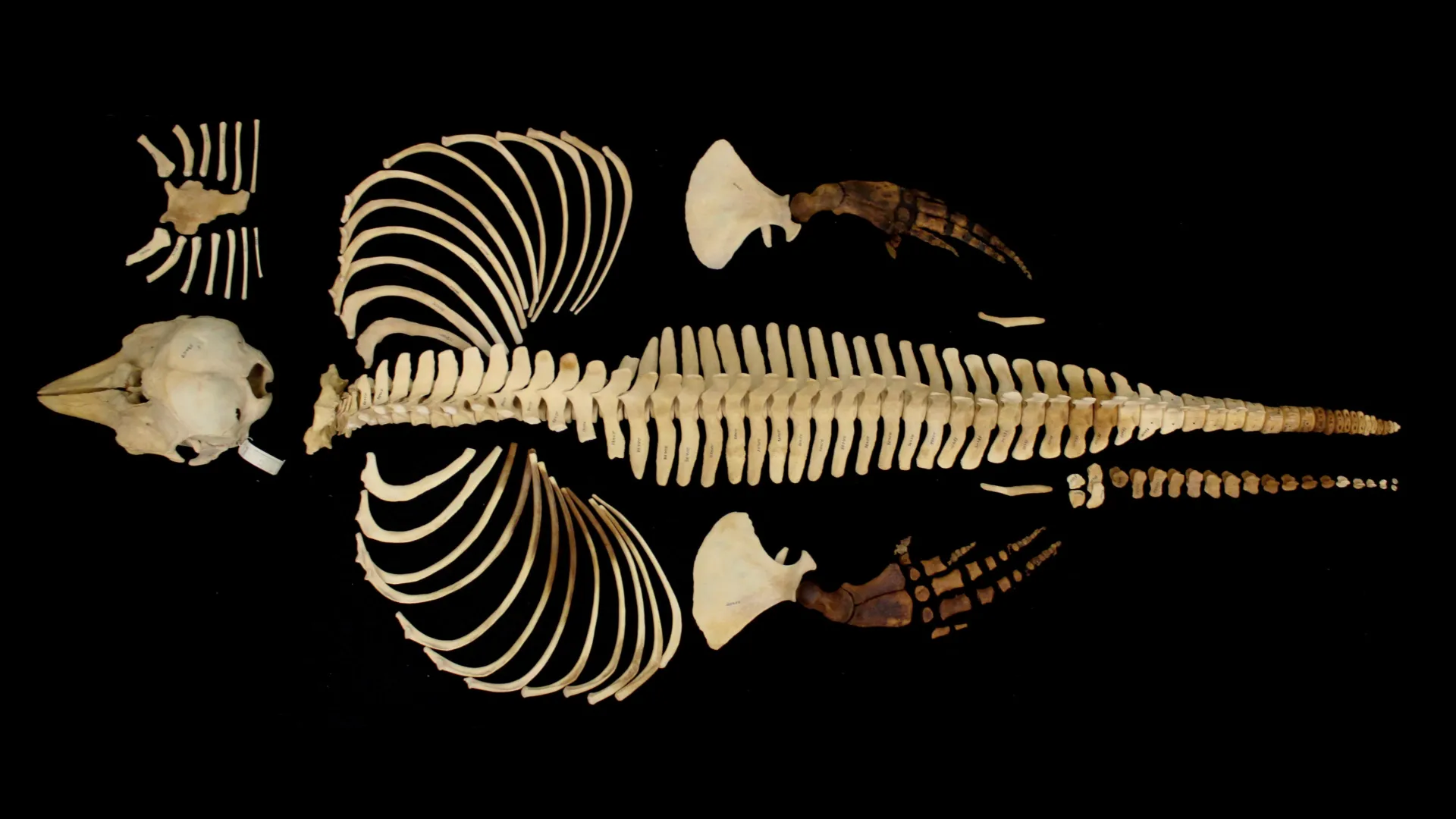
Scientists have digitally preserved the world’s most endangered marine mammal by creating highly detailed 3D models of a vaquita skeleton using advanced imaging technology. The virtual archive provid…
ScienceDaily — 17 June 2026
Text:
13
0
0
Scientists have digitally preserved the world’s most endangered marine mammal by creating highly detailed 3D models of a vaquita skeleton using advanc
Read Full Story at ScienceDaily →
⚡ Quickyla Analysis
Original editorial context — not sourced from the article above
The digital preservation of the vaquita’s skeleton arrives at a critical juncture—not just for marine conservation, but for the very future of species preservation in an era of escalating biodiversity loss. With fewer than ten individuals estimated to remain in the wild, the vaquita, a small porpoise endemic to Mexico’s Gulf of California, stands at the precipice of extinction. The creation of high-resolution 3D models of its skeletal remains offers more than a scientific curiosity; it represents a last-ditch effort to archive biological data that could one day aid in resurrection or rehabilitation efforts. In a world where habitat destruction, illegal fishing, and climate change accelerate the decline of countless species, this virtual archive serves as both a warning and a tool—a digital lifeline that may outlast the species itself.
What makes this initiative particularly significant is its intersection with rapidly advancing conservation technologies. Traditional museum collections, while invaluable, are finite and vulnerable to decay or loss. Digital preservation, by contrast, is nearly indestructible, accessible globally, and capable of being updated with new data. For critically endangered species like the vaquita, where every individual counts, these models could help researchers reconstruct movement patterns, dietary habits, or even genetic lineages long after the last animal has vanished. The effort also underscores a broader shift in conservation: as extinction accelerates, scientists are increasingly turning to digital archives as a form of biological insurance.
Yet questions linger about what this preservation can realistically achieve. While 3D models may aid in education or forensic analysis, they cannot reverse habitat destruction or stop illegal gillnet fishing—the primary drivers of the vaquita’s decline. Conservationists remain divided over whether such technological fixes distract from the urgent need for on-the-ground enforcement and policy change. Meanwhile, the broader trend of "digital conservation" raises ethical questions: Is it ethical to preserve a species in virtual form while failing to save it in reality? And what does it mean for future generations to inherit only digital echoes of organisms that once thrived in the wild?
As the vaquita’s population hovers at the edge of oblivion, this digital preservation effort is a poignant reminder that extinction is no longer just a biological event—it is also a digital one. The challenge ahead is not whether we can archive the vaquita, but whether we can save it before the archive becomes its epitaph.
Sources

🔬 Science
'Astonishing': James Webb telescope spots the most chemically primitive galaxy in the ancient universe

🔬 Science
El Niño Is Underway

🔬 Science
Astronomers gaze into the 'Crystal Ball Nebula' and see a vision of our dying sun — Space photo of the week

🔬 Science
Bacteria uncover distinct strategy to import rare sugar polymers, crystal structures show

🔬 Science
NASA Awards Contract for Johnson Space Center Infrastructure

🔬 Science
Repairing DNA damage: Scientists discover a surprising new benefit of melatonin

